
Flowers
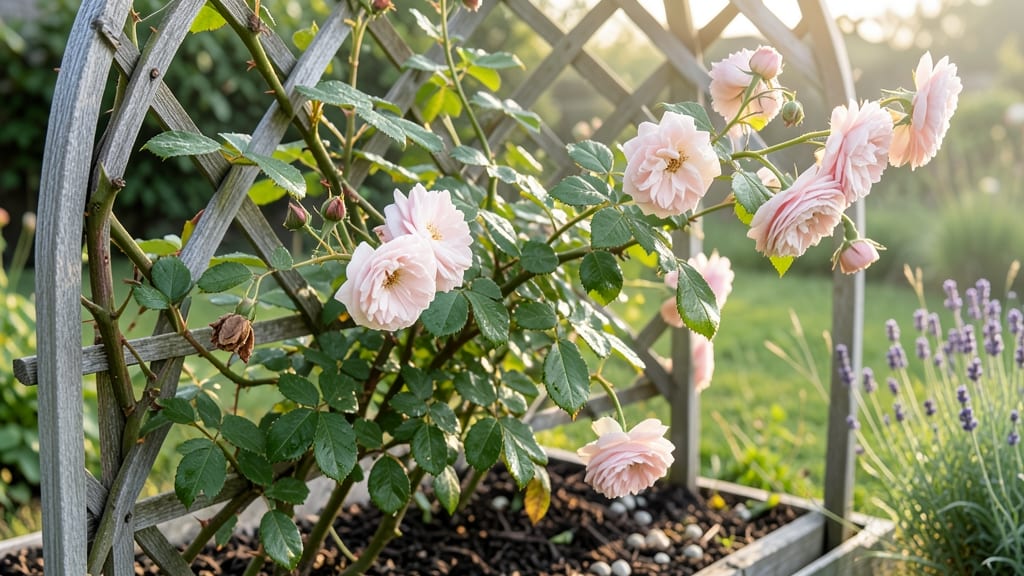
Climbing roses flower at different times depending on their type, but most burst into bloom between late spring and early summer 🌹—think May through June for classic varieties.
Wondering when your climbing roses will burst into bloom? Timing matters—whether you’re planning a romantic trellis, a fragrant garden arch, or a showstopping facade, knowing the right season for your rose type can mean the difference between a stunning display and a missed opportunity.
Some varieties, like the beloved 'New Dawn,' bloom just once in spring, while others, such as 'Blaze,' keep producing flowers all season long. The key is understanding your rose’s habits and giving it the care it needs to thrive.
In this guide, I’ll break down the blooming seasons for different climbing rose types, share tips to extend their flowering time, and help you troubleshoot if your roses aren’t putting on their best show.
Climbing rose blooming seasons by variety type
If you’ve ever wondered when do climbing roses flower, the answer depends entirely on the variety you’ve chosen. Some burst into bloom just once a year in late spring, while others reward you with continuous flowers from summer through fall.
Understanding these differences helps you plan your garden’s romantic arches, fragrant trellises, or dramatic facades with precision.
The key to maximizing your climbing roses’ beauty lies in selecting varieties that match your climate zone and bloom preferences. For example, 'New Dawn' will dazzle you with pink blooms from June to frost, while 'Blaze' delivers bright yellow flowers in late spring.
Let’s break down the timing for each type so you can create a year-round floral display.
| Variety Type | Bloom Season | Popular Cultivars | U.S. Regional Notes |
|---|---|---|---|
| Spring-Blooming | Late May to June (once per year) | 'Blaze', 'Zephirine Drouhin' | Northern climates (Zones 3-5): Blooms 2-3 weeks earlier. Southern climates (Zones 8-10): May bloom in early April. |
| Summer-Blooming | June to August (once per year) | 'Climbing Iceberg', 'Cecile Brunner' | Peak blooms in July for most regions. Coastal areas may extend blooms into September due to milder temperatures. |
| Repeat-Flowering | June to first frost (continuous) | 'New Dawn', 'Dortmund', 'The Fairy' | Zones 6-9: Blooms from early June until hard frost. Zones 4-5: Shorter season (July to September). |
| Late-Season | August to October | 'Graham Thomas', 'Mermaid' | Ideal for fall gardens. Zones 7-10: Blooms extend into November with mild winters. |
For spring-blooming varieties, like 'Blaze', timing is critical. These roses produce their showstopping flowers in late May or June, but they only bloom once per year.
If you want year-round color, pair them with repeat-flowering types like 'New Dawn', which burst into bloom in June and continue until frost. This combination ensures your garden never loses its charm.
In cooler climates (USDA Zones 3-5), spring-blooming roses may start their display 2-3 weeks earlier than in warmer regions. For example, 'Zephirine Drouhin' often blooms in early May in Zone 4, while in Zone 8, you might not see flowers until mid-June.
Always check your last frost date to time your planting for optimal growth before blooming.
If you’re dreaming of a romantic garden arch covered in roses, repeat-flowering varieties are your best bet. Cultivars like 'Dortmund' and 'The Fairy' produce continuous blooms from June until the first frost, giving you months of color.
These roses thrive in full sun and well-drained soil, making them low-maintenance once established.
For gardeners in warmer climates (Zones 8-10), late-season bloomers like 'Graham Thomas' shine. These roses often extend their display into October or November, providing autumn interest when many other plants have faded.
Pair them with summer-blooming varieties like 'Cecile Brunner' to create a seamless transition from June to October blooms.
One common mistake is assuming all climbing roses bloom at the same time. Summer-blooming types, such as 'Climbing Iceberg', produce their white flowers in June and July, but they only bloom once per year.
To avoid gaps in your garden’s beauty, mix 3-4 different varieties with staggered bloom times for a continuous floral show.
Pro tip: If you live in a shorter growing season (Zones 3-5), focus on repeat-flowering roses that can make the most of your 60-90 day growing window. Varieties like 'New Dawn' are disease-resistant and thrive in cooler temperatures, making them perfect for northern gardens.
Finally, don’t forget that pruning plays a huge role in bloom timing. For spring-blooming roses, prune in late winter to shape the plant and encourage strong blooms. For repeat-flowering types, prune after their first bloom cycle to promote a second round of flowers.
This simple step can extend your blooming season by 4-6 weeks.
With the right mix of varieties and a little care, your climbing roses can transform your garden into a year-round floral masterpiece.
Whether you’re drawn to the romantic pinks of 'New Dawn' or the bold yellows of 'Blaze', knowing their bloom seasons helps you plan for a garden that’s always in bloom. 🌹
How to extend your climbing roses’ blooming season
If you’ve ever dreamed of a climbing rose that blooms nonstop from spring to fall, you’re not alone! The secret lies in understanding their natural bloom cycles and giving them the right care at the right time.
Most climbing roses—like the classic 'New Dawn' or the vibrant 'Blaze'—produce their best flowers in late spring to early summer, but with the right techniques, you can coax them into a second flush or even year-round blooms in mild climates.
To maximize your roses’ flowering potential, focus on three key areas: pruning for structure, deadheading for continuity, and seasonal feeding. These steps work together to encourage your roses to produce more buds, stronger canes, and longer-lasting blooms.
Let’s dive into the practical steps that’ll transform your garden into a fragrant, floral paradise.
🌹 Key Timing for Climbing Rose Blooms
- Spring (April-May): First flush of blooms after pruning. Feed with high-phosphorus fertilizer to encourage bud formation.
- Summer (June-August): Peak blooming season. Deadhead daily to trigger repeat blooms and prevent seed formation.
- Late Summer (August-Sept): Second flush for repeat bloomers. Reduce watering slightly to harden canes for winter.
- Fall (Oct-Nov): Stop fertilizing. Prune lightly to remove dead wood and mulch heavily for winter protection.
- Winter (Dec-Feb): Dormant period. Avoid pruning—wait until late winter for major cuts.
Start with pruning in late winter (just before new growth begins). This isn’t just about shaping—it’s about removing old, crossing, or diseased canes to redirect energy to new growth. For repeat-blooming varieties like 'Zephirine Drouhin', prune more lightly to preserve last year’s wood, which produces the best flowers.
Aim to leave 3-5 strong canes with 3-5 buds each—this balance ensures both structure and blooms.
Once your roses start flowering, deadheading becomes your best friend. Snip off spent blooms just above a set of five leaves to encourage new buds.
For hybrid teas and floribundas, this trick works wonders, but climbing roses like 'Iceberg' need a slightly different approach: trim back to a strong outward-facing bud to maintain an open, airy growth habit. Consistency is key—check your roses every 2-3 days during peak bloom.
Don’t forget the soil and water connection! Climbing roses thrive in well-draining, nutrient-rich soil with a pH of 6.0-6.5. Before the growing season, amend your soil with compost or aged manure and a balanced fertilizer (10-10-10).
Water deeply once a week in spring and fall, but increase to every 2-3 days in summer, especially during dry spells. Mulch with 2-3 inches of organic matter to retain moisture and regulate soil temperature.
For a second flush of blooms in late summer, give your roses a light feed in early July with a high-potassium fertilizer (like 5-10-10). This boosts flower production without encouraging late-season growth that might not harden off before winter.
In USDA Zones 7-10, you can even coax a few blooms in fall by keeping the soil moist and providing afternoon shade to protect delicate petals from late-season heat.
With these strategies, your climbing roses could bloom from May through October—or even longer in mild climates! The key is observation and timing: watch your roses, respond to their needs, and adjust your care as the seasons change.
Soon, your garden will be a fragrant, ever-blooming masterpiece that neighbors will envy. 🌿