
Flowers
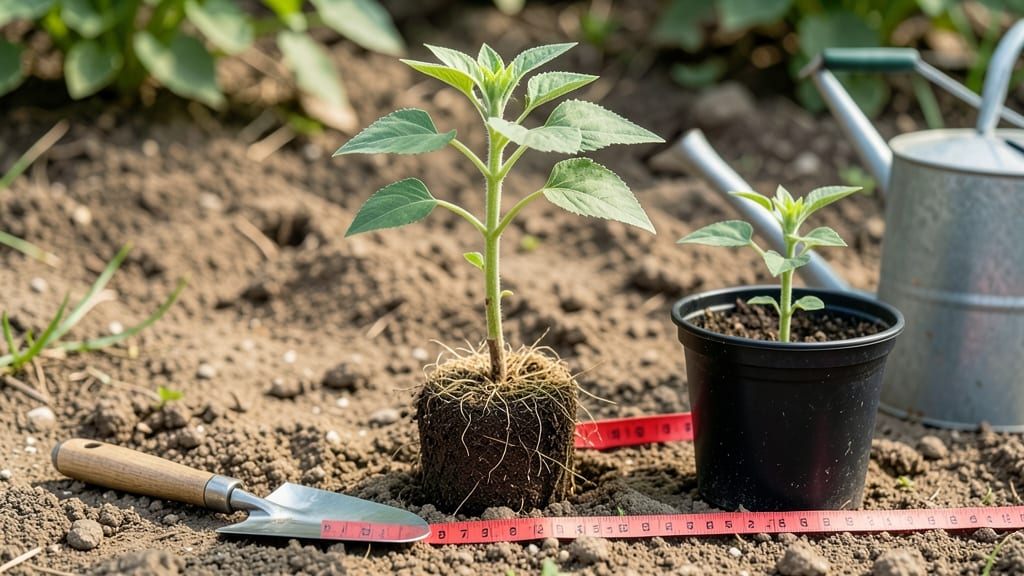
To transplant sunflowers at the right depth, you’ll need to know how deep to transplant sunflowers—aim for 1-2 inches below the soil line, as planting too deep risks stem rot, while too shallow weakens roots.
Transplanting sunflowers 🌻 too deep or too shallow can stunt growth or even kill your plants—here’s the exact soil depth trick to ensure sturdy stems and vibrant blooms.
Most gardeners overthink it, but the secret lies in matching the seedling’s stem thickness to the soil type. In Zone 6a, where spring planting kicks off in April, this balance is the key to avoiding stress and giving your sunflowers the strong start they need.
Below, I’ll walk you through the step-by-step depth technique, how to adjust for different soil types, and the best time to transplant without shocking your seedlings.


Optimal transplanting depth for sunflowers: root and stem guidelines
Getting the transplanting depth right for sunflowers is crucial—too deep and you risk stem rot, too shallow and roots won’t anchor properly. The ideal depth balances root health with stem stability, ensuring your sunflowers grow tall and strong.
Most gardeners overlook how seedling age and soil type affect this, leading to weak plants or even death.
Sunflower roots are delicate but deep-growing, often reaching 3-4 feet by maturity. When transplanting, focus on root ball preservation and stem positioning.
The top of the root ball should sit just 1 inch below soil level, while the stem crown (where roots meet stem) must never be buried. This prevents rot at the base while allowing roots to expand freely.
| Factor | Optimal Depth | Adjustments |
|---|---|---|
| Root Ball | 1 inch below soil surface | Deeper for loose soil, shallower for clay |
| Stem Crown | At soil level (never buried) | Mark crown with pencil before transplanting |
| Seedling Age (2-3 weeks) | 1-1.5 inches deep | Younger roots need less depth |
| Seedling Age (4+ weeks) | 1.5-2 inches deep | Older roots handle deeper planting |
| Clay Soil | 0.5-1 inch shallower | Prevents waterlogging at crown |
| Sandy Soil | 1-1.5 inches deeper | Extra depth for root anchorage |
For young seedlings (2-3 weeks old), aim for a shallower depth (1-1.5 inches). Their tender roots haven’t developed enough to handle deeper planting, and burying them too far risks stem rot.
Use your finger to gently press soil around the root ball—it should feel firm but not compacted. If your soil is clay-heavy, reduce depth to 0.5-1 inch to prevent water buildup around the crown.
As seedlings mature (4+ weeks old), you can increase depth to 1.5-2 inches. Their root systems are stronger and can handle deeper planting, which actually encourages root growth.
For sandy soil, go deeper (up to 2 inches) to provide better anchorage. Always water thoroughly after transplanting to settle soil around roots and eliminate air pockets.
One common mistake is burying the stem crown, which leads to fungal infections like damping-off. Before transplanting, use a pencil or marker to mark the crown’s location on the stem.
This visual guide ensures you plant at the correct depth every time. If you accidentally bury the crown, gently expose it immediately—even if it means removing the plant and replanting.
Soil type plays a surprising role in depth adjustments. In loamy soil, stick to the 1-2 inch rule—it’s ideal for sunflowers. But in heavy clay, shallow planting (0.5-1 inch) prevents root suffocation.
For sandy soil, deeper planting (1.5-2 inches) helps roots establish faster. Always amend soil with compost before transplanting to improve drainage and aeration.
After transplanting, mulch around the base with 2-3 inches of straw or shredded leaves. This keeps soil moist, regulates temperature, and prevents soil crusting that can strangle young roots.
Avoid piling mulch against the stem—keep it 2 inches away to prevent rot. Within 1-2 weeks, you’ll see new growth as roots adjust to their new depth.
Monitor your sunflowers closely in the first 2 weeks post-transplant. Signs of over-deep planting include yellowing leaves or stunted growth, while under-planted sunflowers may lean or flop. Adjust care accordingly—water deeply but avoid soggy soil, and provide stakes for tall varieties if needed.
With the right transplanting depth, your sunflowers will develop strong, sturdy stems capable of supporting those iconic vibrant blooms. Remember: the goal is to preserve root integrity while giving roots room to expand downward. Follow these guidelines, and you’ll enjoy healthy, thriving sunflowers all season long. 🌻
Step-by-step transplanting process: depth and technique tips
Transplanting sunflowers requires precision, especially when it comes to soil depth. The right depth ensures strong stems and prevents diseases like stem rot. For most sunflower varieties, aim to bury the seedling stem to about 1-2 inches deep, just below the first set of true leaves.
This depth balances stability with airflow to the roots.
Before you begin, harden off your seedlings by gradually exposing them to outdoor conditions for 7-10 days. This reduces transplant shock and helps them adapt to full sun exposure. Choose a cloudy day or transplant in the late afternoon to minimize stress on the delicate seedlings.
Step-by-Step Transplanting Guide
- 1. Prepare the Soil: Loosen the soil to a depth of 12 inches using a garden fork. Mix in compost or aged manure to improve drainage and fertility.
- 2. Dig the Hole: Create a hole slightly wider than the root ball of your sunflower seedling. The depth should match the current soil line on the seedling’s stem.
- 3. Handle the Roots: Gently remove the seedling from its container, loosening tangled roots with your fingers. Avoid pulling or breaking the roots, as this can stunt growth.
- 4. Position the Seedling: Place the seedling in the hole so that the stem is buried 1-2 inches deep, just below the first true leaves. This ensures stability without suffocating the plant.
- 5. Backfill and Firm: Fill the hole with soil, pressing gently around the base to remove air pockets. Avoid compacting the soil too tightly, which can restrict root growth.
- 6. Water Thoroughly: Give the seedling a deep watering to settle the soil and encourage root contact. Use a watering can with a gentle spray to avoid dislodging the plant.
- 7. Mulch and Monitor: Apply a 2-inch layer of mulch around the base to retain moisture and suppress weeds. Monitor the plant for signs of stress, like wilting or yellowing leaves.
Avoid the common mistake of burying the stem too deep, which can lead to rot or weak stems. Conversely, planting too shallowly may cause the seedling to topple over as it grows taller. Always check the soil line on the seedling’s stem to guide your depth.
After transplanting, keep the soil consistently moist but not waterlogged for the first 2 weeks. Sunflowers are drought-tolerant once established, but young seedlings need regular watering to thrive. Place a stake near tall varieties to provide support as they grow.
With the right depth and care, your sunflowers will develop strong, sturdy stems capable of supporting their vibrant blooms. Avoid transplanting during extreme heat or cold, as these conditions can increase stress on the seedlings.