
Flowers
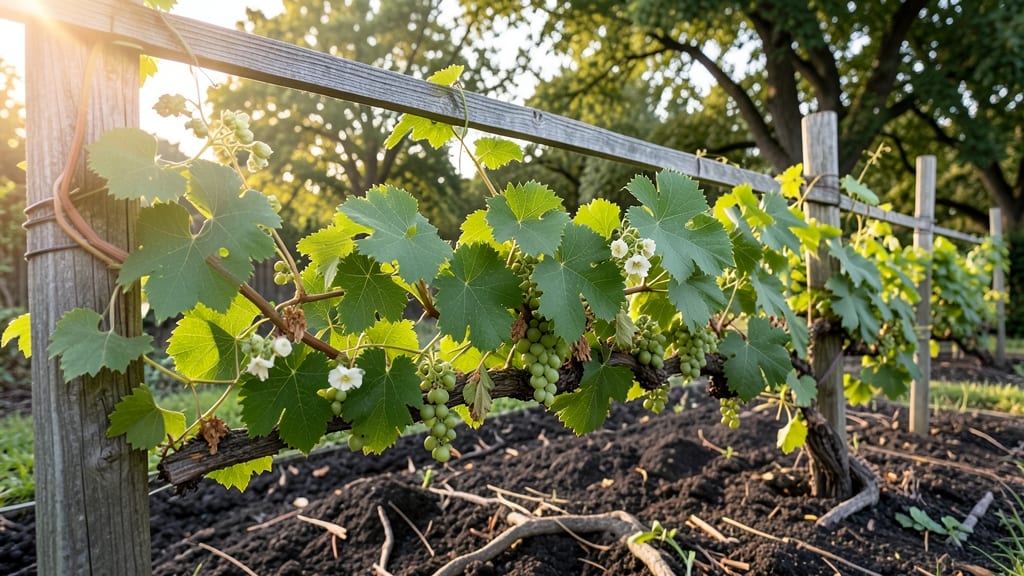
Turning grape flowers into fruit is all about pollination — and getting it right means the difference between a heavy harvest and empty clusters.
Struggling to turn grape flowers into a bountiful harvest? The secret lies in understanding pollination—where even a small mistake can leave you with empty clusters instead of juicy grapes. 🍇
Most gardeners assume the flowers will just "do their thing," but grapevines often need a little help, especially in cooler or windless conditions. Without proper pollination, those delicate blossoms drop off before they can develop into fruit.
In this guide, I’ll walk you through the step-by-step process of how grape flowers develop into fruit, plus 5 proven tricks to maximize your harvest—no guesswork required.
How grape flowers develop into fruit: the science of pollination
Watching grape flowers bloom is exciting, but the real magic happens when those delicate blossoms transform into clusters of juicy grapes. This process starts with pollination, a critical step where pollen from male flowers fertilizes female flowers.
Without it, your vine might produce stunning blooms but end up with empty clusters instead of fruit. Understanding this science helps you create ideal conditions for a successful harvest.
Grapevines are self-pollinating but often rely on bees, wind, or even human assistance to maximize fruit set. The flower anatomy plays a key role—each flower has both male and female parts, but they need help transferring pollen.
When conditions are right, pollination triggers the development of berries, turning those tiny buds into the grapes you love. Let’s break down how this works and what you can do to ensure every flower has the best chance to become fruit.
Key stages in grape flower development:
- Bloom stage: Flowers open, revealing reproductive parts.
- Pollination: Pollen reaches the stigma (female part).
- Fertilization: Pollen tube grows, merging male and female cells.
- Fruit set: Ovules develop into grapes, clusters form.
| Stage | Process | Ideal Conditions | Timeframe |
|---|---|---|---|
| Flower Opening | Petals unfurl, exposing reproductive parts. | Warm, sunny days (65-85°F). | 3-5 days after bud break. |
| Pollination | Pollen transfers to stigma via bees/wind. | Bee activity, light breeze, 70-80% humidity. | 1-2 days after opening. |
| Fertilization | Pollen tube grows; ovules are fertilized. | Consistent warmth, no frost risk. | 24-48 hours post-pollination. |
| Fruit Set | Ovules swell into tiny grapes; clusters form. | Moderate water, no stress (drought/heat). | 7-10 days after fertilization. |
| Berry Development | Grapes grow, colors develop, sugars accumulate. | Full sun, balanced water, 70-85°F. | 6-8 weeks post-set. |
Once pollination occurs, the ovules inside the flower begin developing into grapes. This stage is highly sensitive to environmental conditions. For example, temperature swings or drought stress can cause flowers to drop before setting fruit.
Similarly, excessive humidity or fungal diseases like powdery mildew can interfere with the process. Paying attention to these factors ensures that the grapes you’ve worked so hard to pollinate will grow into a healthy harvest.
Not all grape flowers will develop into fruit, even under ideal conditions. This is normal—vines often abort weak flowers to conserve energy for the strongest berries. However, if you notice more than 50% of flowers failing, it’s a red flag.
Common culprits include poor pollination, nutrient deficiencies, or pest damage. For instance, thrips or spider mites can destroy pollen, while nutrient imbalances (like low boron) can stunt fruit set. Regular inspections and proactive care can prevent these issues.
Natural pollination relies heavily on bees and wind. Bees are the most effective pollinators for grapes, as they actively transfer pollen between flowers. However, if your vine is isolated or blooms during cool, rainy weather, bee activity drops. In such cases, assisted pollination becomes essential.
This can be as simple as gently shaking the vine on a warm, sunny morning to dislodge pollen or using a small brush to transfer pollen manually between flowers. For large-scale vines, consider planting bee-friendly flowers nearby to attract more pollinators.
Timing is everything when it comes to pollination. Grape flowers typically bloom in late spring to early summer, depending on your climate. In USDA Zone 6a, this usually falls between April and May.
During this window, aim to provide consistent moisture without overwatering, as soggy soil can deter bees. Additionally, avoid pesticides or herbicides during bloom, as they can harm pollinators.
Instead, opt for organic pest control methods like neem oil or companion planting with marigolds or basil to keep pests at bay without sacrificing pollinators.
If you’re growing seedless grape varieties, the pollination process is slightly different. These grapes are often the result of triploid breeding, meaning they require two pollinations to develop properly. While they may still produce some fruit without assistance, hand-pollination can significantly improve yield.
5 Proven pollination tricks to maximize grape fruit set
Watch those grape flowers bloom but fail to develop into fruit? You're not alone—many gardeners face this frustrating issue. The key to a heavy harvest lies in understanding how to boost pollination naturally or with a little help.
Even self-pollinating grape varieties can benefit from these tricks to ensure every flower has the best chance of becoming a plump grape.
Pollination success depends on timing, environmental conditions, and sometimes a gentle nudge from you. Whether you're dealing with wind-pollinated or bee-dependent varieties, these five methods will help you maximize fruit set and avoid those disappointing empty clusters.
Let's dive into the practical steps you can take right in your garden.
- 1 Hand-pollinate with a soft brush to transfer pollen between flowers during peak bloom (morning hours).
- 2 Attract pollinators by planting bee-friendly flowers like lavender or marigolds near your grapevines.
- 3 Ensure proper timing by pollinating when flowers are fully open and pollen is visible (early to mid-morning).
- 4 Optimize conditions with consistent watering and warm temperatures (70-85°F) during flowering.
- 5 Use organic sprays like sugar water (1 tbsp sugar per cup of water) to attract more pollinators to your vines.
Start with hand-pollination if you notice your grape flowers aren't setting fruit naturally. Grab a small paintbrush or cotton swab and gently transfer pollen from one flower to another. Focus on morning hours when flowers are open and pollen is most active.
This method works especially well for self-pollinating varieties like Thompson Seedless or Concord, but can also help cross-pollinating types.
For bee-dependent varieties, create a pollinator-friendly environment by planting companion flowers like borage or nasturtiums near your grapevines. These plants will attract bees and other beneficial insects, increasing the chances of successful pollination.
A simple sugar water spray (1 part sugar to 4 parts water) applied lightly to flowers can also lure in pollinators during peak bloom times.
Pay close attention to environmental conditions during flowering. Grapevines thrive in warm temperatures (70-85°F) and moderate humidity. If your area experiences cool nights or high winds, consider using row covers to protect flowers and encourage pollinators to visit.
Consistent deep watering (1-2 inches per week) will also keep your vines healthy and flowering vigorous.
Finally, avoid over-fertilizing during the flowering stage, as too much nitrogen can lead to excessive leaf growth at the expense of fruit development. Instead, use a balanced fertilizer (10-10-10) sparingly to support both flowers and developing fruit.
With these pollination tricks, you'll see a noticeable improvement in fruit set and a more abundant harvest this season.
Ready to put these tricks into action? Grab your tools and head to the garden—your future grape harvest depends on it! 🍇