
Flowers
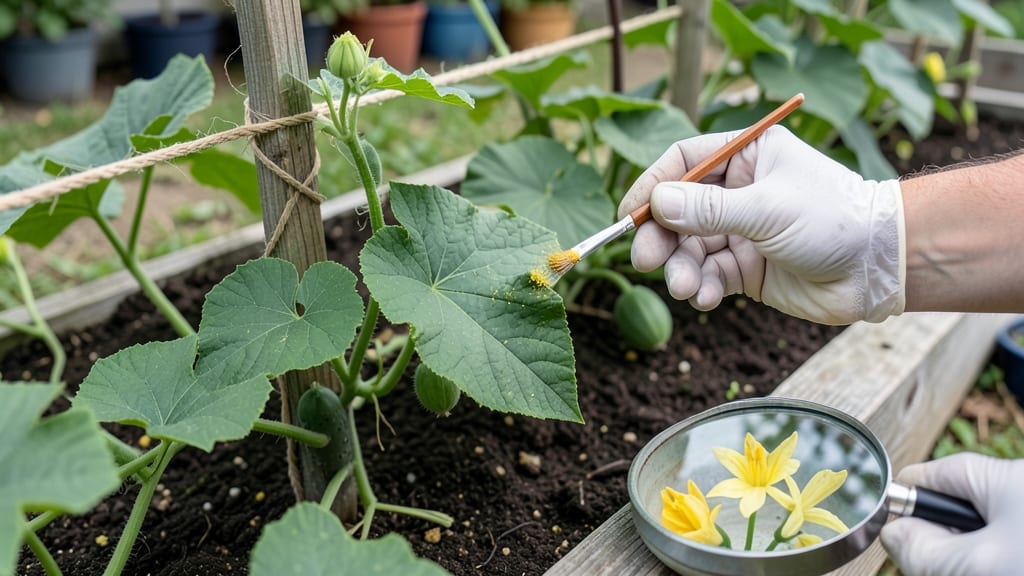
To pollinate cucumbers without male flowers, you’ll need a simple trick that mimics nature’s process—no bees required.
Struggling with cucumbers that refuse to set fruit? Even without male flowers, you can trigger pollination and boost your harvest—here’s how to do it like a pro.
Most gardeners assume you need male flowers to pollinate 🥒, but female-only varieties (or stressed plants) can still produce fruit with a little help. The key lies in transferring pollen manually or using clever workarounds like paintbrushes or even your fingers.
Below, I’ll walk you through three foolproof methods—from classic hand-pollination to high-tech tricks for indoor grows—plus how to troubleshoot when things go wrong.
Understanding female-flower cucumbers: why you need hand-pollination
If you're growing female-flower cucumbers and wondering why your plants aren't producing fruit, the answer lies in their unique biology. These varieties—like 'Sweet Success' or 'Diva'—produce only female flowers, which require pollination to develop into cucumbers. Without natural pollinators like bees or male flowers, you’ll need to step in!
Nature designed cucumbers to rely on male flowers to pollinate female flowers, but female-only varieties skip this step. Without intervention, those tiny female buds simply wilt away without forming fruit. This is where hand-pollination becomes your secret weapon for a bountiful harvest.
Identifying the right moment to pollinate is half the battle. Female flowers appear as small, bumpy buds at the base of the blossom, while male flowers have long stems and no bumps.
Once you spot a female flower in full bloom (usually morning hours), it’s time to act—pollen is most potent then.
Environmental factors like humidity and temperature also play a role. Ideal conditions for pollination include 65–85°F and moderate humidity. If it’s too hot or dry, pollen may not transfer effectively, leaving your flowers unpollinated and frustrated.
Here’s the good news: even if your plants produce no male flowers at all, you can still trigger fruit set with manual methods. The key is understanding the female flower’s anatomy and timing your efforts perfectly.
| Factor | Details | Actionable Tip |
|---|---|---|
| Female Flower Identification | Small bumps at base of blossom | Check daily for 1-inch buds with bumps |
| Best Pollination Time | Morning (6–9 AM) | Pollen is freshest and most viable in cool hours |
| Ideal Temperature | 65–85°F | Avoid pollinating if temps are below 60°F or above 90°F |
| Humidity Needs | 40–60% | Mist flowers lightly if air is too dry before pollinating |
| Tools for Pollination | Paintbrush or cotton swab | Use a soft-bristle brush to avoid damaging petals |
Some gardeners worry that female-only cucumbers won’t produce fruit without male flowers, but that’s a myth! These varieties are bred to self-pollinate when given the right conditions. The trick is mimicking nature’s process—transferring pollen manually to trigger fruit development.
Think of it like a gardening handshake: the pollen (from any source, even another female flower) must meet the stigma (the flower’s receptive tip). Without this connection, your cucumber plant will waste energy growing flowers instead of fruit. Hand-pollination ensures every blossom has a chance to become a cucumber.
Pro tip: If you’re growing parthenocarpic varieties (like 'Corinto' or 'Excelsior'), they produce fruit without pollination at all. But for traditional female-flower types, manual intervention is your best bet for a high-yield harvest.
Now that you understand the why behind hand-pollination, the next step is learning the how. Stay tuned for my step-by-step guide on transferring pollen like a pro—no bees required!
Step-by-step hand-pollination method for maximum fruit set
Even if your cucumber plants produce mostly female flowers without male counterparts, you can still achieve a bountiful harvest with hand-pollination techniques. Female flowers need pollen to develop fruit, and without bees or male flowers, you’ll need to step in.
The good news? This process is simple and only requires a few household items and a little patience.
Hand-pollination works by manually transferring pollen from male flowers (if available) or using alternative methods like paintbrushes to mimic natural pollination. This technique is especially useful for parthenocarpic varieties or when growing cucumbers indoors where pollinators are scarce. Let’s dive into the exact steps to maximize your fruit set.
If you don’t have male flowers, try vibrating the plant gently to release pollen from nearby blooms. This mimics how bees pollinate naturally. For indoor plants, consider using a handheld vibrator or even a soft brush to agitate the flowers lightly.
Common mistakes include missing flowers or over-pollinating, which can exhaust the plant. Focus on 2-3 flowers per day to avoid stress. Also, ensure your tools are clean to prevent fungal infections like powdery mildew.
With these techniques, you’ll see a noticeable improvement in fruit set, even without male flowers. Happy pollinating—your garden (and taste buds) will thank you! 🥒