
Blooming
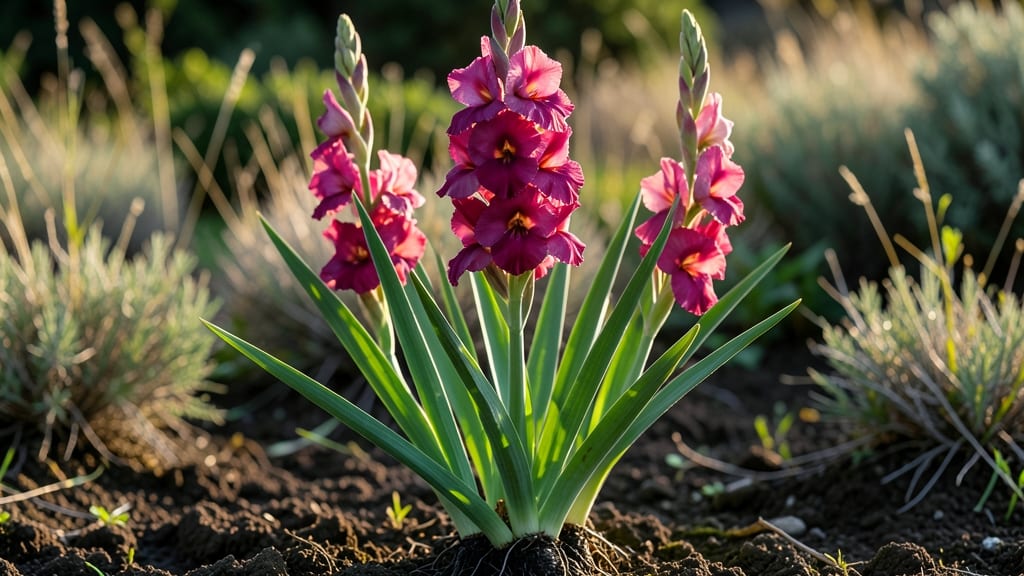
The gladioli flowering season transforms your garden into a vertical rainbow 🌸—towering stems packed with bold blooms that catch every eye. But here’s the catch: if you plant too early, frost zaps your progress; too late, and you miss the peak summer-to-fall display entirely.
Picture this: July through September in your zone, when gladioli reach their full glory—each spike a dramatic statement in your landscape. Yet many gardeners overlook the 6-8 week window between planting and blooming, leading to disappointment. The secret? Understanding your USDA zone’s frost-free dates and adjusting planting time accordingly.
From Zone 6a to warmer climates, timing varies—some regions get two blooming cycles, while others need a little extra care to coax late-season flowers.
I’ll walk you through the exact planting windows, soil prep tricks, and watering schedules that ensure your gladioli don’t just survive, but thrive during their flowering season.
Ready to turn your garden into a showstopper? You’ll learn how to extend blooms, avoid common mistakes, and keep those vibrant spikes coming back year after year—without the guesswork.
Gladioli flowering season by US planting zones: exact timing for peak blooms
Timing is everything when growing gladioli (Gladiolus), as their 3-5 foot spikes rely on precise planting schedules to deliver stunning summer blooms. Unlike annuals, these corm-based perennials have a dormancy period that directly impacts when they'll flower.
In USDA Zones 3-11, bloom windows vary by 10-12 weeks depending on your climate, with northern zones flowering earlier than southern ones.
Understanding your frost-free dates and corm dormancy cycle lets you plan for peak blooms from July to September—just in time for summer and fall gardens. The key is planting 4-6 weeks before your last frost while accounting for the 90-150 day growth period needed before blooming.
Let's break down the exact timing by zone to ensure your gladioli put on their best show.
Gladioli flowering timeline by USDA Zone (based on average last frost dates):
| Zone | Last Frost | Planting Window | Bloom Period | Dormancy Start |
|---|---|---|---|---|
| 3-5 | May 1-15 | April 15-May 1 | July 15-August 15 | October 1 |
| 6-7 | April 15-May 1 | March 15-April 15 | July 1-August 10 | September 15 |
| 8-9 | March 1-April 1 | February 15-March 15 | June 15-July 30 | August 30 |
| 10-11 | January 1-March 1 | January 1-February 15 | May 1-June 30 | July 15 |
Notice how Zone 3 gardeners plant later but still get blooms by mid-summer, while Zone 10 gardeners enjoy springtime gladioli. This shift happens because cooler northern climates need the extra weeks to warm up, while warmer southern zones can push growth faster.
The 90-150 day growth requirement remains constant, but your planting window shifts dramatically.
For early bloomers, try planting dwarf varieties like 'Pictured Perfect' or 'Nana'—they'll flower 2-3 weeks sooner than standard types. If you're in Zone 6-7 and want fall blooms, consider a second planting in July for late-season color.
Just remember: gladioli need full sun (6+ hours daily) and well-draining soil to meet their bloom potential.
The dormancy period is just as critical as planting time. After blooming, gladioli enter dormancy in fall, with foliage dying back by first frost. During dormancy (typically October-March in most zones), stop watering and avoid disturbing the corms.
They'll regrow roots in spring, ready for next year's 3-5 foot spikes—if you've given them proper care.
One common mistake is assuming later planting = later blooms. Actually, planting too late can shorten the growth period, resulting in smaller flowers or no blooms at all. In Zone 8-9, for example, planting after March 15 risks blooms appearing after summer heat stresses the plants.
The ideal window is always 4-6 weeks before last frost, giving roots time to establish before rapid growth begins.
To adjust for early or late bloomers, use these tricks: For earlier blooms, try cold stratification by chilling corms for 4-6 weeks before planting. For later blooms, use heat-tolerant varieties like 'Green Gables' or 'White Wings' that handle Zone 10+ heat better.
Always monitor soil moisture—overwatering during dormancy can rot corms, while underwatering stresses plants during bloom.
Pro tip: Mark your planting dates and bloom periods on a garden calendar. Gladioli's tall, dramatic spikes make them perfect for cut flower arrangements, so plan to harvest when 2-3 lower buds have opened.
With the right timing, you'll enjoy continuous blooms for 4-6 weeks—a true summer garden highlight!
How to extend your gladioli flowering season: pro tips for longer blooms
If you love the dramatic height and vibrant colors of gladioli, you’ll want their flowering season to last as long as possible. With the right strategies, you can push blooms earlier in the year or stretch them well into fall.
The key lies in understanding their cold tolerance, heat sensitivity, and how to optimize growing conditions.
Gladioli naturally bloom from mid-summer to early fall, but with careful planning, you can coax them to flower earlier or later. For example, cold stratification tricks corms into thinking winter has passed, while succession planting keeps fresh blooms appearing all season.
Let’s dive into the best methods to maximize your gladioli’s showtime.
- Cold Stratification: Chill corms for 6-8 weeks in refrigerated conditions before planting to trigger early blooms by 2-3 weeks.
- Greenhouse Prep: Start corms indoors under grow lights 8-10 weeks before last frost for earlier outdoor planting.
- Succession Planting: Space plantings every 2-3 weeks in spring for staggered blooms through fall.
- Heat Tolerance Tricks: Mulch with straw or bark to keep roots cool during hot summer months.
- Soil Prep: Amend soil with compost and sand for better drainage, preventing rot and extending bloom life.
- Watering Schedule: Water deeply every 2-3 days in summer, but reduce to weekly in fall to avoid leggy growth.
- Sunlight Optimization: Ensure 6+ hours of direct sun daily, but provide afternoon shade in Zone 9+ to prevent wilting.
To get the most out of your gladioli corms, start by preparing your soil in early spring. Mix in well-rotted compost and a handful of sand to improve drainage—this is critical, as soggy soil leads to rot and shorter blooms.
I’ve found that adding a slow-release fertilizer at planting time gives my gladioli a strong start, resulting in taller, more vibrant stems.
For earlier blooms, try cold stratification by placing corms in a plastic bag with damp peat moss and storing them in your fridge for 6-8 weeks before planting.
This mimics winter conditions and tricks the corms into thinking spring has arrived. In my Zone 6 garden, this method has pushed blooms from late July to early June!
If you want to extend the season into fall, succession planting is your best friend. Plant a fresh batch of corms every 2-3 weeks from April through June. This ensures a continuous display of blooms, as each new planting will flower at slightly different times.
Pair this with regular deadheading—removing spent blooms—to encourage more flowers and prolong the season.
Don’t forget to monitor your watering schedule closely. Gladioli need consistent moisture, especially during their blooming phase, but overwatering can lead to fungal issues. I water mine deeply in the morning, giving them about 1-2 inches of water per week.
In extreme heat, I increase this to every other day, but always check the soil first—it should be moist but not waterlogged.
With these pro tips, your gladioli will put on a show that lasts from early summer well into fall. The secret is a mix of timing, soil care, and a little extra attention to their needs. Happy gardening! 🌸