
Blooming
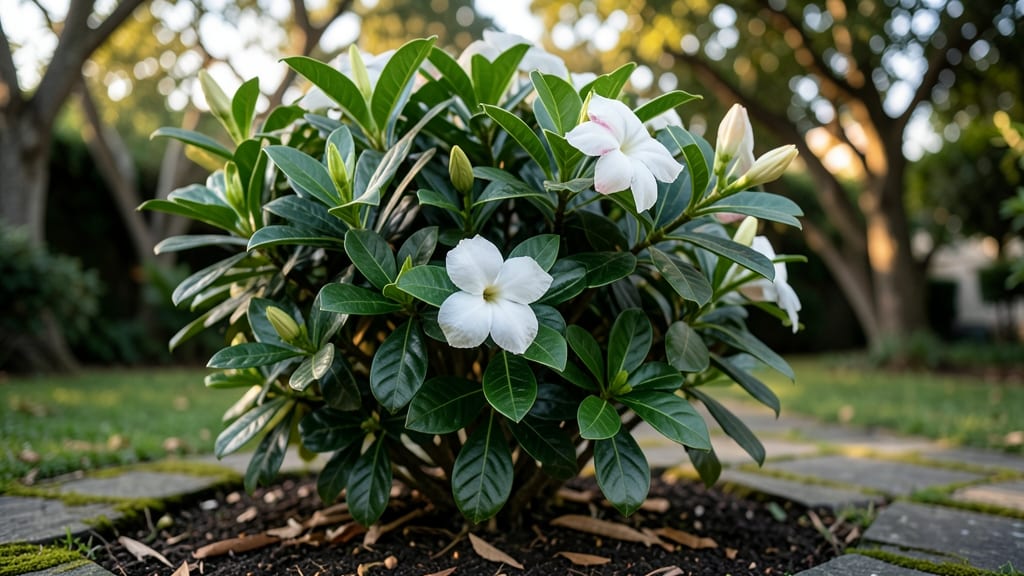
Your gardenia’s flowering season depends on mastering its natural blooming triggers—timing, climate, and care all play a role in those fragrant, creamy-white blooms.
Struggling to get your gardenia to bloom consistently? The secret lies in understanding its natural flowering triggers—and how to manipulate them for lush, fragrant blooms year-round.
In warm climates like USDA Zone 9b (think Phoenix or coastal California), gardenias 🌸 typically burst into bloom from late spring through summer, but with the right tweaks, you can extend that season. The key? Balancing light, soil pH, and fertilizer—without overdoing it.
Below, I’ll break down the exact timing for your region, how to troubleshoot sparse blooms, and the simple adjustments that turn a one-season show into year-round fragrance.
Natural gardenia flowering season: when and why they bloom
If you’ve ever waited eagerly for your gardenia to burst into fragrant white blooms, you’re not alone. These tropical beauties follow a predictable flowering season shaped by their native environment—and understanding it is the key to unlocking year-round blooms.
In their natural habitat (warm, humid regions like Southeast Asia), gardenias bloom primarily in late spring and summer, triggered by specific temperature and daylight cues that we can mimic in our gardens.
For gardeners in USDA Zones 9b-11 (like Florida or Southern California), gardenias typically flower from May through September, with a secondary flush in early fall if conditions are ideal.
But in cooler climates (Zones 7-8), blooms may be delayed until late June or July, or even forced into dormancy until spring. The secret? These plants need consistent warmth (70°F+) and 12+ hours of daylight to trigger bud formation.
🌸
The critical trigger for gardenia blooms is a combination of warmth and daylight length. In their native tropics, gardenias respond to the longer days of summer, which signal it’s time to produce flowers.
For gardeners in northern climates, this means waiting until late spring or early summer—when temperatures stabilize above 65°F and daylight stretches past 14 hours. If your gardenia blooms late or sparsely, it’s often because it’s not getting enough consistent warmth or sunlight exposure.
Another key factor is bud formation timing. Gardenias produce flower buds on new wood, meaning they need active growth to set blooms. If you prune too late in the season, you’ll cut off potential flowers for the next cycle.
In Zone 9b climates, I’ve found that gardenias often set buds in late winter (February–March), with blooms appearing 3–4 months later. This delayed response is why patience—and proper winter care—is essential.
Humidity also plays a surprising role in gardenia flowering. These plants originate in tropical rainforests, where air moisture stays high year-round. In dry climates (like Arizona or Texas), gardenias may struggle to bloom unless you increase humidity around the plant—whether through misting, pebble trays, or shade cloth.
I’ve seen gardenias in low-humidity zones produce fewer blooms unless I add a humidifier nearby or group them with other tropical plants.
One common misconception is that gardenias bloom only once per year. In reality, they can produce multiple flushes if given the right conditions. For example, in Zone 10a (coastal California), gardenias often bloom in spring and again in fall, thanks to the mild, stable temperatures.
The trick is to avoid stress—like sudden temperature drops or drought—and maintain consistent care throughout the year.
If you’re growing gardenias in containers indoors, their flowering season can be artificially extended using grow lights to simulate longer daylight hours. I’ve had success with a 14-hour photoperiod in winter, which tricks the plant into thinking it’s summer.
Pair this with warmth (70°F+) and high humidity, and you can enjoy blooms even in December. Just be sure to use a full-spectrum bulb to mimic natural sunlight.
For outdoor gardeners in cooler zones (7a–8b), the best strategy is to plant gardenias near a south-facing wall or under light dappled shade to maximize warmth.
In my Zone 7b garden, I’ve found that gardenias planted near black mulch or heat-absorbing stones bloom 2–3 weeks earlier than those in regular soil. This simple hack can make a big difference in
How to extend gardenia blooms beyond their natural season
Gardenia plants naturally bloom in spring and early summer, but with the right techniques, you can coax them into flowering almost year-round. The key is mimicking their ideal growing conditions—especially light, temperature, and soil pH—while avoiding common mistakes that stifle blooms.
Whether your gardenia lives indoors or outdoors, small adjustments can make a big difference in flower production.
Indoor gardenias often struggle with limited sunlight and inconsistent humidity, while outdoor plants may face temperature swings or poor soil conditions. By understanding these challenges, you can create the perfect environment for continuous blooming. Let’s break down the most effective strategies to extend your gardenia’s flowering season.
- 🌱 1. Prune Strategically
- 💡 2. Supplement Light Indoors
- 🌡️ 3. Maintain Ideal Temperatures
- 💧 4. Adjust Soil pH Regularly
- ✂️ 5. Time Fertilizer Correctly
Prune after blooming to encourage new growth. Remove dead or overcrowded branches but leave healthy buds intact.
Use grow lights (12-14 hours/day) in winter to replace short daylight hours. Place lights 6-12 inches above the plant.
Keep temps between 60-75°F. Avoid drafts or sudden cold snaps, which stress the plant and halt blooming.
Test soil pH every 3-6 months. Gardenias thrive in acidic soil (pH 5.0-6.5). Amend with peat moss or sulfur if needed.
Feed with high-phosphorus fertilizer (10-10-10) every 6 weeks in spring and fall. Skip fertilizer in winter to avoid stress.
For outdoor gardenias, focus on seasonal adjustments. In cooler months, move potted plants to a sheltered location or use row covers to protect them from frost. Mulch around the base to insulate roots and retain moisture, which encourages healthier growth and more blooms.
Indoor gardenias require extra attention to humidity. Use a pebble tray with water or a humidifier to mimic tropical conditions. Low humidity causes bud drop, so aim for 50-60% humidity year-round. Mist leaves lightly in the morning to prevent fungal issues.
Finally, consistency is key. Gardenias respond best to stable conditions, so avoid moving them frequently or changing their environment abruptly. With these techniques, you’ll enjoy fragrant blooms well beyond their natural season—even in winter! 🌸