
Advice
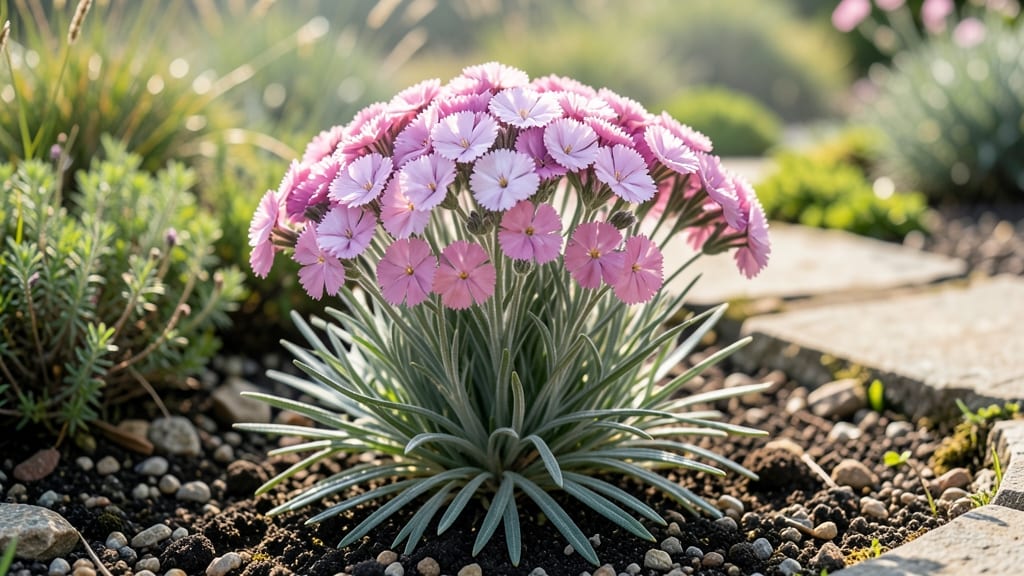
Your dianthus flowering season can stretch from late spring through summer 🌸 — but the exact timing depends on your USDA zone and how you care for them.
Picture this: you’ve just tucked in your dianthus after the last frost, and by June, your garden is bursting with fragrant blooms. But what if you’re in a cooler zone where flowers arrive later?
Or worse, your plants fizzle out before July? The key is knowing when to expect blooms in your area and how to keep them going strong.
In Zone 6a, like many gardeners, you’ll see the first buds in early June, with peak color through August. Warmer zones push that window earlier, while cooler ones may delay blooms until July.
The good news? With a few simple tricks, you can coax your dianthus to flower well into September.
Below, I’ll walk you through the month-by-month blooming schedule for your zone, plus the easiest ways to extend that vibrant season—so you can enjoy your garden’s star performer for as long as possible.
When dianthus flowers bloom: USDA zone-by-zone flowering schedule
Dianthus flowers are famous for their vibrant colors and long-lasting blooms, but their flowering season varies dramatically depending on your USDA zone and the specific variety. Whether you have everblooming types or seasonal cultivars, knowing the right timing ensures you enjoy months of color instead of fleeting bursts.
Let’s break down when to expect those cherry-pink, magenta, or white blooms in your region.
In cooler zones (3-5), dianthus typically blooms from late May through July, while warmer zones (8-11) can enjoy flowers from February to November. Everblooming varieties like ‘Firewitch’ or ‘Mystic Tides’ stretch this further, but even seasonal types can be coaxed into longer displays with the right care.
The key? Understanding your zone’s frost dates and sunlight patterns.
🌸
| USDA Zone | Primary Blooming Months | Everblooming Varieties | Seasonal Varieties | Peak Color Period |
|---|---|---|---|---|
| Zones 3-5 | Late May – July | ‘Firewitch’, ‘Cinderella’ | ‘Sutton’s Pink’, ‘Giant Hybrid’ | June (4-6 weeks) |
| Zones 6-7 | April – September | ‘Mystic Tides’, ‘Pink Brilliance’ | ‘Fire Spirit’, ‘Rainbow’ | June-August (12-16 weeks) |
| Zones 8-9 | February – November | ‘Bridal Pink’, ‘Cherry Blossom’ | ‘Cotton Candy’, ‘Sweetheart’ | March-October (30+ weeks) |
| Zones 10-11 | Year-round (with care) | ‘Sweet William Mix’, ‘Picotee’ | ‘Fire Chief’, ‘Ruby Glow’ | January-December (continuous) |
Everblooming varieties may have shorter gaps between flushes with proper deadheading.
If you’re in Zones 3-5, plan to enjoy your dianthus blooms primarily in summer, with ‘Firewitch’ varieties offering the longest displays.
These zones often see frost-sensitive flowers, so protect your plants with lightweight row covers if late frosts threaten. Deadheading spent blooms every 2-3 weeks can extend your season by 3-4 weeks.
Gardeners in Zones 6-7 have the best of both worlds: a longer flowering window from spring to fall. ‘Mystic Tides’ series thrives here, producing clusters of blooms every 4-6 weeks. To maximize color, pair dianthus with late-spring bulbs like alliums or fall-blooming asters for seamless transitions.
For Zones 8-11, dianthus can be a year-round star with minimal effort. ‘Bridal Pink’ and ‘Cherry Blossom’ varieties often bloom continuously if given well-draining soil and morning sun. In Zone 11, treat dianthus as a perennial annual—they’ll reward you with color almost every month.
One critical tip for all zones: Dianthus hates soggy roots. In humid climates (Zones 7-9), ensure your plants have elevated beds or sandy soil mixes to prevent root rot, which can cut flowering short. A 2-inch layer of gravel beneath the soil can work wonders.
To plan your garden around dianthus blooms, time plantings so that early varieties (like ‘Sutton’s Pink’) start flowering just as late-spring bulbs fade. In Zones 3-5, this means June color when many other perennials are still dormant.
Use succession planting to replace finished blooms with new varieties every 6-8 weeks.
Don’t forget: Container dianthus in Zones 6-11 can be moved to protected spots during winter to extend blooming. A bright porch or greenhouse can keep them flowering through mild winters, adding early spring color when little else is in bloom.
With this zone-by-zone guide, you’ll never miss a dianthus bloom again. Whether you’re a cool-climate gardener or a tropical zone enthusiast, timing your care and variety choices ensures months of cheerful flowers—not just
How to extend your dianthus flowering season naturally
Your dianthus can put on a stunning show for weeks—if you know the right tricks. The key to a longer flowering season lies in consistent care and avoiding common pitfalls.
With just a few adjustments, you can transform your seasonal blooms into a nearly continuous display of pink, red, or white flowers from spring through fall.
Start by understanding that dianthus naturally slows down in extreme heat or cold. However, with proper soil prep, watering, and pruning, you can trick your plants into blooming longer. The best part? These methods are all natural and chemical-free, ensuring your garden stays healthy and vibrant.
Avoid These Mistakes or Lose Blooms Fast!
Overwatering or poor drainage causes root rot, which stops flowering instantly. Skipping deadheading wastes energy on seed production instead of new blooms. And too much shade weakens stems, leading to leggy, sparse flowers.
First, deadhead your dianthus regularly—this means snipping off spent blooms just above the next set of leaves. This simple step redirects the plant’s energy toward producing new flowers instead of seeds.
I like to do this every 2-3 days during peak bloom time to keep my plants looking fresh and encourage continuous growth.
Next, focus on soil health. Dianthus thrives in well-draining soil with a slightly alkaline pH (around 6.5-7.0). Amend your soil with compost or sand if it’s heavy clay, and mix in a slow-release balanced fertilizer (like 10-10-10) in early spring.
This gives your plants the nutrients they need to bloom abundantly.
Sunlight is another critical factor. While dianthus loves full sun, too much intense afternoon heat can scorch leaves and reduce blooms. If you’re in a hot climate (zones 8-11), provide light afternoon shade during the hottest months. This keeps your plants blooming longer without stressing them.
Finally, seasonal pruning can work wonders. In early spring, trim back any dead or damaged stems to encourage new growth. After the first flush of blooms in late summer, give your dianthus a light haircut to remove up to one-third of the foliage.
This stimulates a second round of blooms in fall, extending your season by weeks.
With these natural techniques, your dianthus will reward you with longer, more vibrant blooms all season long—no shortcuts needed! 🌸