
Blooming
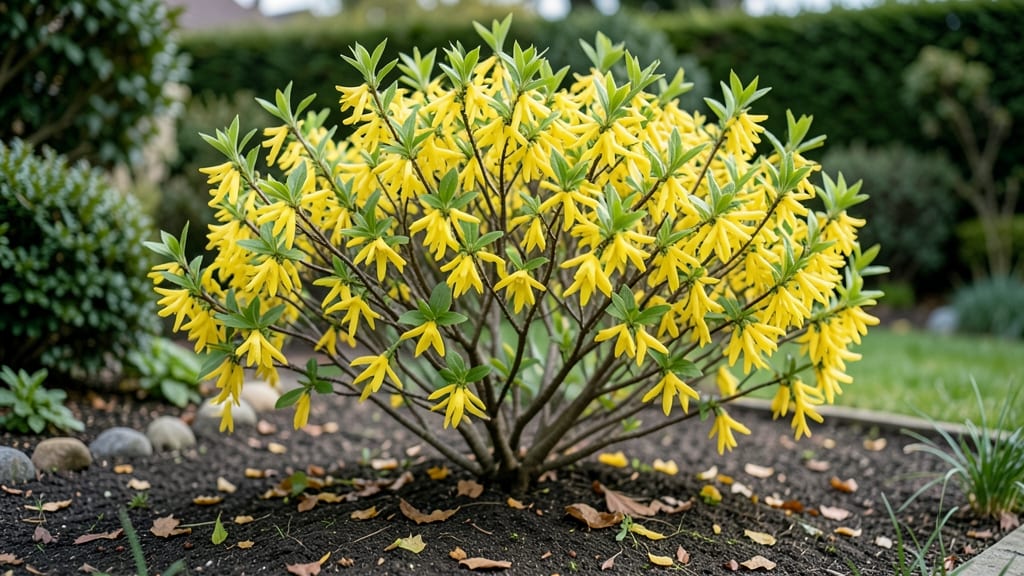
Forsythia blooms in early spring 🌸, signaling the arrival of warmer days with its vibrant yellow flowers—though the exact timing depends on your climate zone and a few key garden factors.
If you’ve ever wondered why your forsythia bushes bloom early one year and late the next, the answer lies in your climate zone—and a few other surprising factors.
Knowing the exact forsythia flowering time for your region can help you time pruning, plan companion plants, and even predict spring’s arrival with near-perfect accuracy.
Most gardeners in USDA Zone 6a (like my own backyard) see forsythia flowers appear between late March and early April, but warmer zones like 8 or 9 can expect blooms as early as February.
Meanwhile, colder regions might wait until May, making sunlight exposure and last frost dates the real game-changers.
In this guide, I’ll break down the ideal flowering windows by zone, share how to adjust pruning and care for earlier blooms, and pair your forsythia with plants that extend its seasonal show. Let’s make sure your shrub puts on its best performance year after year.
Forsythia flowering time by USDA climate Zone: exact months to expect blooms
Forsythia bushes are famous for their bright yellow blooms that signal spring’s arrival. But did you know the exact forsythia flowering time varies dramatically across the U.S.? From late winter in the South to early spring in the North, these differences can shift bloom windows by 4-6 weeks.
Understanding your USDA climate zone helps you predict when to expect those cheerful flowers—and when to prune for next year’s display.
The key to timing forsythia blooms lies in chill hours and last frost dates. Most varieties need 500-1,000 chill hours below 45°F to break dormancy. In warmer zones, forsythia may bloom as early as February, while in colder regions, you might wait until May.
Regional microclimates—like urban heat islands or coastal breezes—can further adjust these timelines by 1-2 weeks.
Here’s how to use this comparison table to pinpoint your forsythia’s expected bloom window:
| USDA Zone | Typical Bloom Window | Early Varieties | Mid-Season Varieties | Late Varieties | Regional Notes |
|---|---|---|---|---|---|
| Zones 3-4 (Northern U.S.) | Late April - Early May | ‘Northern Gold’ (April 10-20) | ‘Spectabilis’ (April 25-May 5) | ‘Kern’s Golden’ (May 1-10) | Wait for soil temps >50°F; frost risk delays blooms |
| Zones 5-6 (Midwest/Northeast) | Mid-April - Late April | ‘Lynwood Gold’ (April 1-10) | ‘Courtacloche’ (April 15-25) | ‘Arnold Dwarf’ (April 25-May 5) | Urban areas bloom 1 week earlier than rural |
| Zones 7-8 (Southeast/Southwest) | Late February - Early April | ‘Gold Tide’ (Feb 20-March 10) | ‘Spring Glory’ (March 1-20) | ‘Sunburst’ (March 15-April 5) | Coastal zones bloom 2-3 weeks earlier than inland |
| Zones 9-10 (California/Southwest) | January - Mid-February | ‘Little Gold’ (Jan 15-Feb 5) | ‘Dwarf Forsythia’ (Jan 30-Feb 15) | ‘Show Off’ (Feb 1-10) | Mild winters may cause erratic blooming |
Pacific Northwest gardeners often see forsythia bloom 2 weeks earlier than their Midwest counterparts due to milder winters. Meanwhile, in the Deep South, varieties like ‘Gold Tide’ may push blooms into late January if temperatures stay mild. Always check your local frost dates—forsythia flowers are frost-sensitive and may wilt if hit by late cold snaps.
If your forsythia blooms late in the season, it might be due to over-fertilizing with nitrogen or poor drainage. These issues delay flower buds from forming. For earlier blooms, prune in late winter (just before buds swell) and plant in full sun.
Dwarf varieties like ‘Arnold Dwarf’ bloom slightly later than standard types but offer longer-lasting flowers.
Pro tip: Use forsythia as a spring blooming marker. In Zone 6, when forsythia blooms, it’s time to plant cool-season veggies like peas and lettuce.
In Zone 9, their flowers mean summer prep should begin. Pair them with early bulbs like crocuses or heather to extend your color palette.
Microclimates play a huge role in localized bloom timing. A south-facing wall can advance blooms by 10 days, while a shady spot may delay them by 2 weeks.
If your forsythia isn’t blooming at all, check for over-pruning (cutting back into old wood) or root-bound conditions. Forsythia flowers only appear on new growth, so prune after blooming to encourage next year’s flowers.
For gardeners in transition zones (e.g., Zone 7b vs. 8a), blooms may arrive anywhere from late February to early April. To hedge your bets, plant a mix of early and mid-season varieties.
In Zone 4, some years you’ll see flowers by April 1st, while others might wait until May 10th—this variability is normal and tied to winter chill accumulation.
Remember: Forsythia’s bloom window is short—typically just 2-3 weeks. To extend the display, choose multiple varieties with staggered bloom times. And if you’re planning a spring garden party, time it around your forsythia’s peak bloom for the most vibrant backdrop!
How climate patterns and garden conditions affect forsythia flowering time
Your forsythia's blooming schedule isn't set in stone—it shifts yearly based on temperature swings, frost dates, and even soil moisture levels. In my Zone 6a garden, I've seen forsythia flowers appear as early as late February or as late as mid-April.
These fluctuations can throw off your seasonal planning, especially if you rely on them to signal spring's arrival.
Understanding these climate triggers lets you adjust expectations and care routines. For example, a warmer-than-average winter might push blooms forward by 2-3 weeks, while an early frost can delay them. The key is recognizing which environmental factors dominate in your specific microclimate.
Forsythia flowers on old wood, meaning blooms form on last year's growth. If your plant blooms late, it's often because cool spring temperatures delayed bud opening—not poor health. However, consistent late blooming (3+ weeks behind average) may signal over-pruning or poor drainage. Test your soil's moisture retention if this happens yearly.
Sunlight exposure plays a critical role in bloom timing. Forsythia thrives with 6+ hours of direct sun, but too much intense afternoon heat (common in Zone 8+) can stress buds, causing delayed opening.
In my southeast-facing garden, I've noticed forsythia blooms 2 days earlier than identical bushes in a northwest exposure—the difference is morning sun warmth versus afternoon shade protection.
Soil moisture during bud formation (late summer to fall) sets the stage for next year's blooms. Drought stress in August can cause buds to abort or develop poorly, leading to sparse or late flowers.
I learned this lesson the hard way when my 2020 drought resulted in 50% fewer blooms in 2021. Now I deep-water forsythia every 10-14 days from June through September.
Frost dates create a double-edged sword. While late frosts can damage open buds, early frosts sometimes trigger dormancy, pushing blooms to open sooner. In Zone 5, gardeners often see forsythia bloom earlier than Zone 6 because the cold snap in early spring breaks dormancy faster.
Track your last average frost date and adjust pruning timing accordingly—wait until after blooms fade to avoid cutting off next year's flowers.
To predict your forsythia's personalized bloom window, use this 3-step checklist: ☑️ Note your last 3 years' bloom dates ☑️ Check your local frost-free date (USDA website) ☑️ Observe your sunlight hours (shade vs. full sun) Compare these to your neighborhood averages—you'll spot patterns that explain yearly shifts.
For example, my Zone 6a forsythia typically blooms March 15±5 days, but the 2023 heatwave pushed it to March 5.