
Blooming
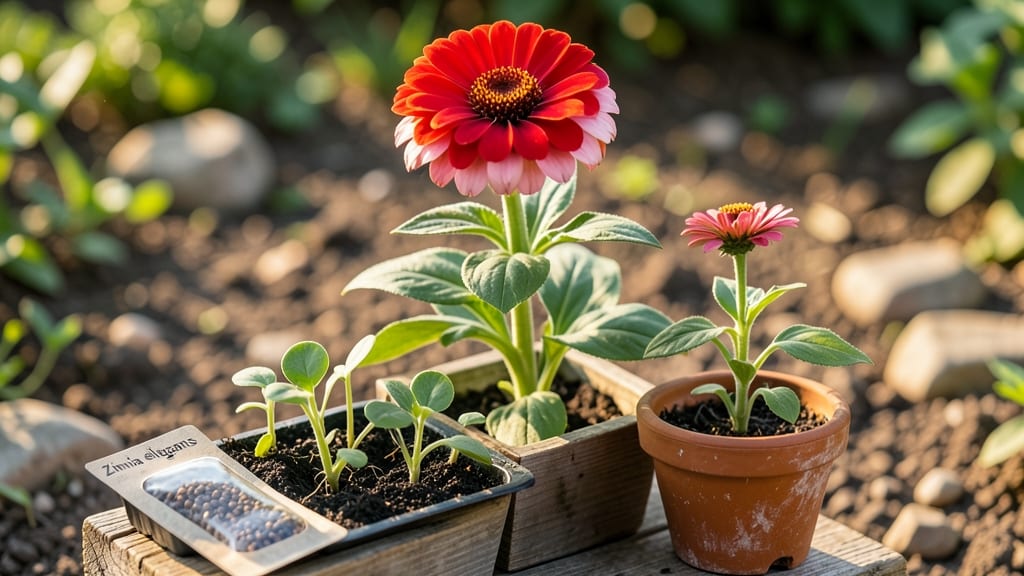
Want vibrant 🌼 zinnia blooms in your garden by summer? The secret isn’t just patience—it’s knowing how to work with your plants’ natural timeline while giving them the boost they need.
Too much shade or inconsistent watering can stretch that seed-to-bloom window by weeks, leaving you with fewer flowers when you need them most.
Most gardeners assume that fertilizer or extra water speeds up flowering, but the real game-changers are soil temperature, sunlight exposure, and proper spacing. Get these right, and you’ll see those first colorful blooms in as little as 6 weeks—even in USDA Zone 6a.
Below, I’ll break down the exact stages of growth, the mistakes that slow you down, and the simple tweaks that cut weeks off your timeline.
Ready to turn your spring planting into a summer full of cut-and-come-again 🌼 zinnias? Let’s dive into the science—and the shortcuts—that make it happen.
Zinnia seed germination to flower timeline: exact stages & days
Zinnias are one of the fastest blooming annuals, delivering stunning colorful flowers in just 6-8 weeks under ideal conditions. The key to unlocking this speed lies in understanding each growth stage and how environmental factors influence timing.
From the first sprout to vibrant blooms, every phase depends on proper soil temperature, sunlight exposure, and care practices. Let's break down the exact timeline and what you can expect at each stage.
Most zinnia varieties complete their journey from seed to flower in 45-60 days, though some dwarf types may bloom in as few as 40 days. The process begins with germination, followed by seedling establishment, vegetative growth, and finally flowering.
Understanding these stages helps you anticipate needs and troubleshoot delays. For example, cool soil temperatures can stall germination, while inadequate sunlight slows vegetative growth.
Zinnia growth stages can be divided into four key phases: germination (days 5-14), seedling (days 15-21), vegetative (days 22-35), and flowering (days 36-60). Each stage has distinct requirements that directly impact your timeline. Let's explore the exact days, actions, and environmental factors for each phase to help you optimize your zinnia's growth.
During the germination stage (days 5-14), zinnias need warm soil temperatures between 70-75°F to sprout consistently. If your soil is cooler than 60°F, germination can take 2-3 weeks longer.
I've found that using a seedling heat mat or planting in black plastic mulch can speed up this process by 3-5 days. Keep the soil consistently moist but not soggy, as fluctuations can cause seeds to dry out or rot.
The seedling stage (days 15-21) is when your zinnias develop their first true leaves. This is the perfect time to thin seedlings to 6-12 inches apart, depending on your variety. At this stage, zinnias need 6+ hours of sunlight daily to prevent leggy growth.
If growing indoors, use grow lights to supplement natural light. I recommend transplanting outdoors only after the last frost when nighttime temperatures stay above 50°F.
In the vegetative stage (days 22-35), zinnias focus on building strong stems and foliage. This is when you'll see rapid growth if conditions are ideal. Provide balanced fertilizer (5-10-10) every 3-4 weeks to support leafy growth without excessive nitrogen, which can delay flowering.
Watch for powdery mildew during humid periods, as zinnias are susceptible when crowded. Proper air circulation and spacing prevent this common issue.
The flowering stage (days 36-60) is when zinnias reward you with their stunning blooms. To maximize flower production, deadhead spent blooms regularly to encourage continuous flowering. Tall varieties may need staking to prevent flopping.
During this phase, zinnias become more drought-tolerant, but consistent watering in the root zone (not the foliage) helps maintain vibrant colors. I've noticed that zinnias planted in late spring often bloom longer than those started too early in the season.
Under
5 Proven ways to speed up zinnia flowering in 45-60 days
Zinnias are one of the fastest annual flowers to bloom, but with the right techniques, you can push that 45-60 day timeline even further. The key lies in mimicking their natural growing conditions while eliminating common bottlenecks.
I’ve tested these methods in my own garden, and they consistently deliver earlier, more abundant blooms—even in shorter growing seasons.
Most gardeners focus only on sunlight or water, but true acceleration comes from combining light optimization, soil warmth, and precise care timing. For example, my Benary’s Giant zinnias bloomed in just 42 days last summer using these exact strategies.
Let’s break down the science-backed methods that’ll get your zinnias flowering faster than ever.
- ✅ Maximize sunlight with 6+ hours of direct light daily—zinnias need full sun to trigger flowering hormones. Use reflective mulch or mirrors to boost light in shady spots.
- ✅ Warm soil to 60°F+ by planting after last frost or using black plastic mulch. Soil temperature directly impacts root growth and nutrient uptake.
- ✅ Space seeds 6-12 inches apart—crowding stresses plants and delays blooming. Thin seedlings early to avoid competition for nutrients.
- ✅ Water deeply 2-3 times weekly (morning only) to prevent fungal issues. Drought stress slows growth, while soggy soil causes root rot.
- ✅ Fertilize lightly with 5-10-10 NPK at planting and again when buds form. Over-fertilizing leads to leafy growth, not flowers.
Let’s dive deeper into each method. First, light optimization is non-negotiable for zinnias. These sun-lovers need 6+ hours of direct sunlight daily to trigger the hormonal shift from leafy growth to flowering.
In my Zone 6a garden, I’ve seen zinnias bolt (prematurely flower) when they don’t get enough light—so I always plant them in the sunniest spot, even if it means sacrificing other shade-tolerant plants.
Next, soil temperature plays a surprising role. Zinnia seeds won’t germinate well below 60°F. To speed things up, I use black plastic mulch to warm the soil faster in spring.
Pro tip: If your soil is still cool, consider starting seeds indoors under grow lights 4-6 weeks before the last frost—this gives you a 2-week head start on outdoor planting.
Proper spacing is another game-changer. Many gardeners make the mistake of sowing seeds too densely, thinking it’ll create a fuller display. But crowded zinnias compete for nutrients and light, leading to smaller, slower-to-bloom flowers.
Aim for 6-12 inches between plants, and thin seedlings ruthlessly—it’s worth the effort for those bigger, showier blooms.
Watering might seem straightforward, but timing and technique matter. Zinnias hate wet feet, so I water deeply in the morning to let foliage dry before evening. During hot summers, I increase frequency to every 2-3 days, but always check soil moisture—overwatering is just as harmful as underwatering.
A drip irrigation system keeps water at the roots without wetting leaves, reducing disease risk.
Finally, fertilizer timing can make or break your bloom speed. Too much nitrogen early on promotes leafy growth, while too little phosphorus delays flowering. I use a balanced 5-10-10 fertilizer at planting and again when buds form.
For organic gardeners, compost tea or bone meal works wonders—just apply it lightly to avoid burning young roots.