
Blooming
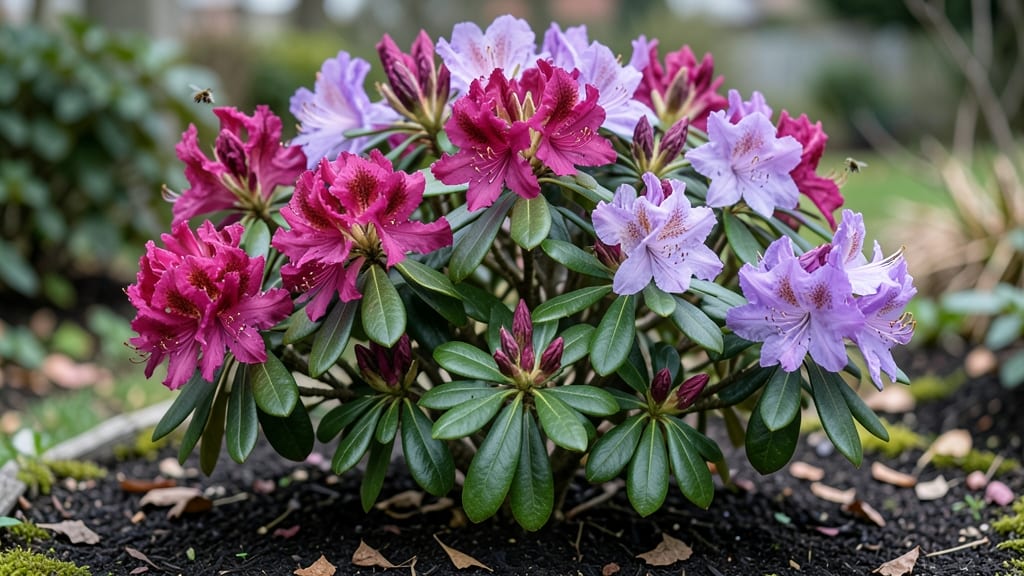
Rhododendrons flower during a precise period shaped by your climate zone, and getting it right means the difference between a showstopping spring display and a sparse few blooms.
If you’ve ever wondered why your rhododendrons bloom at different times—or why some years they barely flower at all—the answer lies in your climate zone. Understanding the rhododendron flowering period for your region can mean the difference between vibrant spring displays and disappointing bare branches.
In Zone 6a, where most rhododendrons thrive, blooms typically appear in late April to early May, but timing shifts dramatically in warmer zones like 8 or colder ones like 4.
The key? Chill hours, frost dates, and even soil pH all play a role in when—and how well—your 🌸 shrubs perform.
Below, I’ll break down the best flowering windows by zone, share pro tips to extend your blooms, and troubleshoot why yours might be underperforming. Ready to transform your garden into a springtime spectacle?
Rhododendron flowering period by USDA climate zones: when to expect blooms
Rhododendrons are famous for their show-stopping spring blooms, but their flowering periods vary dramatically by USDA climate zone. In colder zones like 4-5, buds form during winter’s chill, while warmer zones like 8-9 may bloom in fall or even winter.
Understanding your zone’s frost dates and chill hours is key to predicting—and encouraging—those vibrant displays.
For example, in Zone 6 (like much of the Midwest), most rhododendrons burst into color between late April and early May, right after the last frost.
But in Zone 8 (southern California or Georgia), you might see blooms as early as December or January, or even a second flush in spring. The difference? Temperature triggers and daylight exposure.
Chill hours (the number of hours below 45°F in winter) are critical. Most rhododendrons need 500–1,000 chill hours to set buds. Zones 4–6 typically meet this, while Zone 7+ may need low-chill varieties like 'Catawbiense' or 'PJM' to bloom reliably. Without enough chill, buds may fail to form entirely.
Here’s how your USDA zone affects flowering timing, plus the best varieties for each region:
If your rhododendron blooms earlier or later than expected, check for stress signals. Too much heat in summer can delay buds, while drought stress may cause them to drop.
In Zone 7+, some varieties bloom in fall but drop buds if temps drop below 30°F—plant near a south-facing wall for extra protection.
For off-schedule flowering, adjust care based on your zone. In cold zones (4–6), apply a thick mulch layer in late fall to preserve soil warmth.
In warm zones (8–9), water deeply in late summer to encourage root growth before bud formation. Both tricks help sync blooms with your local climate.
Pro tip: Late-season bloomers (like 'Nova Zembla') often produce second flushes if you deadhead spent flowers. Just snip off faded blooms with clean pruners—but wait until after the main bloom cycle to avoid cutting next year’s buds.
Remember, rhododendrons are light-sensitive too. In shady zones (like under trees), blooms may be smaller but longer-lasting. For bigger, brighter displays, choose a spot with morning sun and afternoon shade.
Now that you know your zone’s rhododendron flowering window, you can plan for the most dramatic spring show—or even enjoy winter blooms in warmer areas! The key is matching varieties to your local chill hours and giving them the right care at each stage.
How to extend your rhododendron’s flowering season with simple gardening hacks
Want your rhododendrons to bloom longer and more abundantly? The secret lies in timing and care—not just genetics. By adjusting pruning schedules, soil conditions, and watering routines, you can coax your shrubs into flowering for weeks longer than usual.
Even mature rhododendrons respond well to these tweaks, especially if they’ve been struggling in recent years.
Most rhododendrons naturally bloom in spring (March–May) or early fall (September–October), but with the right approach, you can push those blooms later into summer or even encourage a second flush.
The key is understanding how your plant stores energy and when it’s ready to invest in flowers. Let’s break down the three critical steps to extend their flowering period effortlessly.
- 📅 Prune after blooming (May–June) to avoid cutting off next year’s flower buds, which form on old wood.
- 💧 Water deeply 2–3x/week during bud formation (late summer) to support root growth and energy storage.
- 🌱 Fertilize in early spring with acid-loving plant food (8-3-9 NPK) to boost flower production without overfeeding.
First, focus on pruning timing. Many gardeners make the mistake of pruning rhododendrons in early spring, right when buds are forming. Instead, wait until after blooming (late May or June) to trim dead or crossing branches.
This ensures you don’t accidentally remove next year’s flower buds, which develop on old wood. Use clean, sharp bypass pruners to make cuts just above a bud or branch junction.
Next, soil pH and moisture play a huge role in extending blooms. Rhododendrons thrive in acidic soil (pH 4.5–6.0). Test your soil annually—if it’s too alkaline, amend it with peat moss or sulfur in early fall.
For watering, aim for deep, infrequent soaks (1–2 gallons per plant) rather than light, frequent watering. This encourages root growth, which directly supports longer flowering periods. Mulch with pine needles or bark to retain moisture and acidify the soil over time.
Finally, strategic fertilizing can make a world of difference. Apply a balanced, acid-loving fertilizer (like 8-3-9 NPK) in early spring (March–April) as new growth begins. Avoid fertilizing during summer heat or fall, as this can promote tender growth that won’t survive winter.
For potted rhododendrons, use a slow-release fertilizer in spring and reduce watering slightly to prevent root rot, which stresses plants and shortens bloom time.
To prepare your rhododendrons for next year’s longer flowering season, follow this quick 3-step post-bloom checklist:
- Prune spent blooms and shape the shrub in June.
- Test soil pH and amend if needed in early fall.
- Water deeply in late summer to build root reserves for spring blooms. By focusing on these simple adjustments, you’ll enjoy vibrant, extended blooms year after year—no matter your climate zone! 🌿