
Blooming
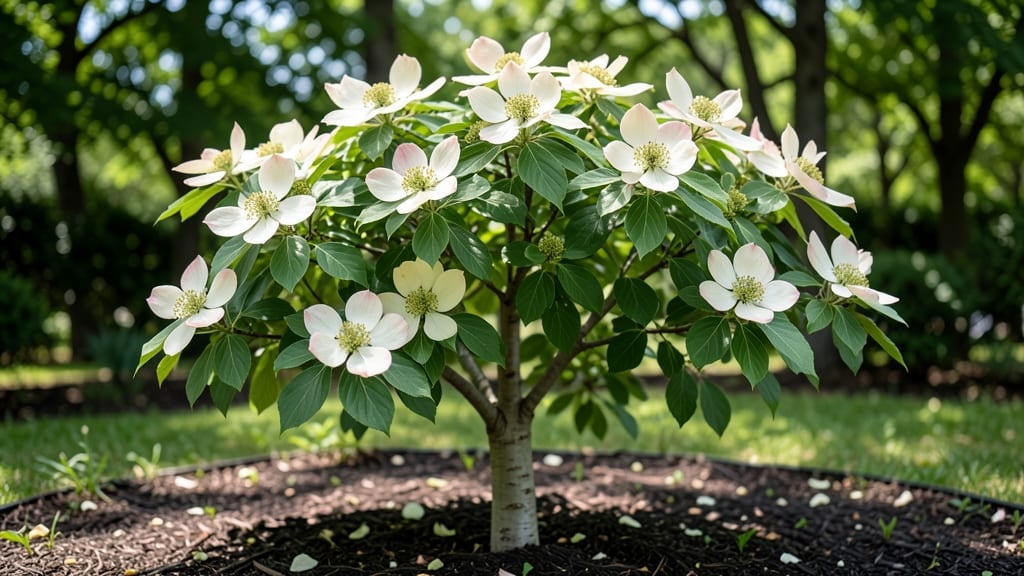
The stunning flowering dogwood bloom 🌸 arrives in late spring, turning your yard into a soft-focus masterpiece—but that beauty depends on one critical move: pruning at the right time.
Picture this: you’ve waited all winter for those iconic pink and white blossoms to burst forth, only to realize too late that last year’s pruning cut off next season’s buds.
The good news? With a little timing know-how, you can ensure your dogwood puts on the same show year after year.
This isn’t just about trimming branches—it’s about understanding when those blooms form and how to work with your tree’s natural cycle. From USDA Zone 6a to warmer regions, the window for pruning is narrow, and missing it could mean fewer flowers next spring.
Below, I’ll break down the exact timing, tools, and techniques to keep your dogwood thriving—and its blooms bigger and brighter than ever.
Flowering dogwood bloom time: understanding the seasonal cycle for pruning
The flowering dogwood (Cornus florida) puts on its most spectacular show in late spring, typically between April and May in most regions. However, the exact bloom time depends on your USDA hardiness zone and local climate.
In Zone 6-7, blooms often appear in April, while southern zones may see flowers as early as March. Understanding this cycle is crucial because dogwoods flower on old wood, meaning next year’s blooms form on branches from the previous season.
If you prune at the wrong time—especially after June—you risk cutting off the flower buds for next spring. The key is to time your pruning within a 6-week window after the blooms fade. This ensures you remove dead or crossing branches without sacrificing future flowers.
Regional variations also play a role; cooler climates may have slightly later blooms, while warmer southern areas can see earlier—and sometimes second blooms—if conditions are ideal.
Here’s the critical timeline you need to know: Flower buds develop in the fall on the previous year’s growth, then swell in late winter before bursting into color.
Once blooms fade, you have about 6 weeks to prune before new growth hardens, and the buds for next year’s flowers are set. Missing this window means you’ll prune too late, reducing—or even eliminating—next spring’s display.
One common misconception is that dogwoods can be pruned anytime like spring-blooming trees (e.g., lilacs or forsythia). However, their reliance on old wood makes timing everything.
For example, if you prune in July to shape your dogwood, you’ll likely remove next year’s flower buds, leaving you with a bare tree in spring. The 6-week rule applies to most regions, but adjust slightly for early or late bloomers in your area.
Climate also affects bloom time. In Zone 8-9, dogwoods may bloom as early as February, giving you a shorter pruning window. Conversely, northern zones (Zone 5 and below) often see blooms in May, extending your pruning window until late June.
Pay attention to your local last frost date and average bloom time in your area to fine-tune your schedule. For instance, if your dogwood blooms in mid-April, aim to finish pruning by late May.
Another factor is light exposure. Dogwoods in full sun may bloom slightly earlier than those in shadier spots, where blooms can be delayed by 1-2 weeks. If your tree is in partial shade, monitor its bloom time closely and adjust your pruning timeline accordingly.
For example, a dogwood under oak trees might bloom in early May, while one in an open meadow could start in late April.
To maximize blooms, avoid heavy pruning in spring when buds are still forming. Instead, focus on light shaping after the blooms fade. Remove only dead, diseased, or crossing branches—never more than 25% of the canopy at once.
This preserves the tree’s energy for bud development. For instance, if you notice a sparse branch with no flowers, prune it out in June to redirect energy to more productive growth.
If you’re unsure about your dogwood’s bloom time, observe it for 3 years to establish a pattern. Note when the first buds swell, when blooms open fully, and when they fade. This local data is more reliable than general guidelines. For example, my
Step-by-step guide: how and when to prune dogwood for maximum blooms
Pruning your flowering dogwood at the right time is crucial—because its showy blooms form on old wood, not new growth. Cut too late, and you’ll sacrifice next year’s pink and white spectacle.
The key is to prune 6 weeks after blooms fade, giving the tree time to set flower buds for spring. Let’s break it down by USDA zones and tools.
Timing varies by climate zone. In Zones 5-7, prune between late June and early July after blooms drop. For Zones 8-10, aim for late July to August.
This ensures buds form before winter dormancy. Never prune in fall or winter—you’ll risk frost damage to fresh cuts and next year’s flowers.
- Step 1: Gather tools: sharp bypass pruners, sterilized loppers, and gloves. Clean tools with rubbing alcohol to prevent disease spread.
- Step 2: Remove dead or diseased branches first—cut at the branch collar to avoid tearing bark. Look for blackened wood or fungal spots.
- Step 3: Thin crowded branches to improve airflow. Target crossing limbs or suckers at the base. Aim to open the canopy for sunlight.
- Step 4: Shape the tree by pruning outward-facing branches to maintain a balanced silhouette. Avoid topping the tree—this stunts growth and reduces blooms.
- Step 5: Seal large cuts (over 1 inch) with pruning sealant to prevent pests or disease. For smaller cuts, let the tree naturally heal.
- Step 6: Clean up pruned debris and mulch around the base with 2-3 inches of organic mulch to retain moisture.
Common mistakes to avoid: over-pruning (never remove more than 25% of the canopy at once) or pruning in fall, which delays bud formation. Also, never use dull tools—they tear bark and invite pests. Always cut just outside the branch collar for clean wounds.
After pruning, monitor your dogwood’s health. Yellowing leaves may signal over-pruning or nutrient deficiency. Apply a balanced fertilizer (10-10-10) in early spring to support recovery. With proper timing and technique, your dogwood will reward you with even more vibrant blooms next season.
Pro tip: Mark pruning dates on your calendar to stay on track. A well-timed cut in July ensures your dogwood’s flower buds develop fully by fall—setting the stage for a show-stopping spring display. 🌸