
Blooming
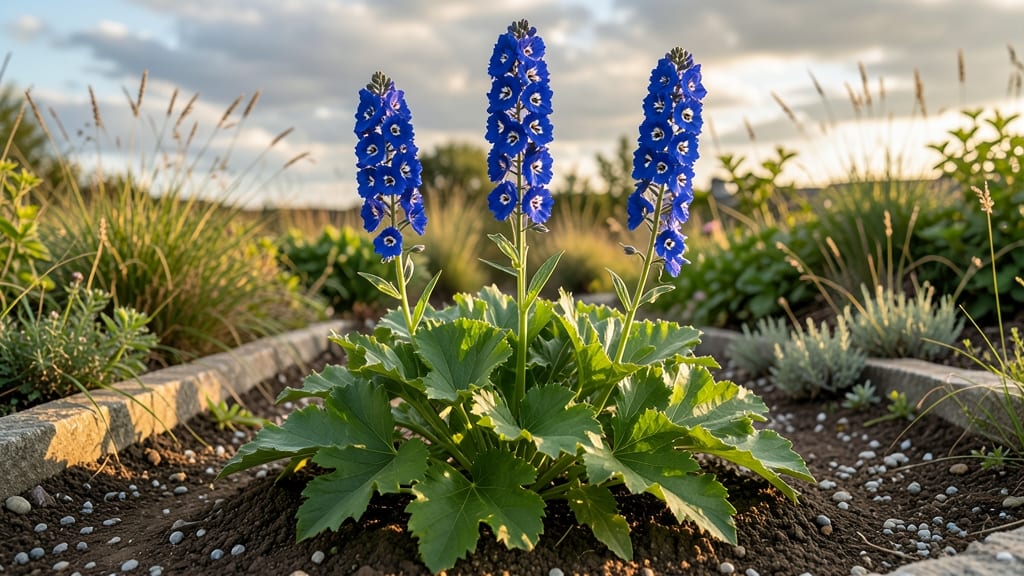
Delphinium flowers bloom in late spring to summer, but their exact timing depends on your zone, variety, and a few key care tricks that most gardeners miss.
If you’ve ever watched your 🌸 delphiniums put on one stunning show and then vanish for the year, you’re not alone. These towering beauties thrive when you align their care with their natural rhythms—and a little strategic deadheading can turn that single burst into months of color.
In USDA Zone 6a, most delphiniums kick off blooming in June, with some early varieties like ‘Pacific Giant’ peaking as early as late May.
But cooler climates or late spring plantings can push that window back by weeks, which is why knowing your last frost date matters more than you’d think.
Here’s the month-by-month breakdown of when to expect blooms, plus the simple adjustments—like soil prep and light tweaks—that can shift your delphinium’s schedule earlier or later in the season.
Delphinium bloom time by variety: when to expect peak color
Delphiniums are famous for their dramatic summer blooms, but their exact bloom timing varies dramatically by variety and region. Perennial delphiniums typically bloom from late spring to early fall, while annual varieties offer shorter but vibrant displays.
Understanding these differences helps you plan for season-long color in your garden.
In USDA zones 3-5, most delphiniums start blooming as early as late May, while in zones 6-9, expect blooms to begin by mid-April. Regional frost dates and daylight hours significantly impact when your delphiniums will reach their peak flowering phase.
Pacific Giant and Belladonna varieties are classic perennials known for their tall, showy spikes that appear in mid-to-late summer. Meanwhile, Elatum hybrids often bloom slightly earlier, starting in early June and lasting through July. Annual delphiniums like Delphinium ajacis provide a spring burst of color from April to May.
| Variety | Bloom Period | Peak Months (Zones 3-5) | Peak Months (Zones 6-9) | Height | Notes |
|---|---|---|---|---|---|
| Pacific Giant | Mid-to-late summer | July-August | June-July | 4-6 ft | Classic perennial, needs staking |
| Belladonna | Late summer | August-September | July-August | 3-5 ft | Dark purple blooms, drought-tolerant |
| Elatum Hybrids | Early to mid-summer | June-July | May-June | 3-5 ft | Earlier bloomers, great for cut flowers |
| Delphinium ajacis (Annual) | Spring | April-May | March-April | 1-3 ft | Fast-growing, self-seeds easily |
| Blue Bird Series | Mid-summer | July | June | 2-4 ft | Compact, great for borders |
For earlier blooms, plant annual delphiniums like Delphinium ajacis in late winter (zones 6-9) or early spring (zones 3-5). These varieties thrive in cool weather and often bloom before perennials. If you live in a warmer climate, consider shade cloth to delay blooming until late spring.
Perennial delphiniums benefit from strategic planting to extend their bloom season. In USDA zone 5, for example, planting Elatum hybrids in early spring ensures blooms by June, while Pacific Giants planted in late spring will peak in August.
This staggered approach keeps your garden vibrant from June through September.
Daylight hours play a crucial role in delphinium bloom triggers. In northern regions, longer summer days encourage prolonged flowering, while in southern climates, heat can shorten the bloom period.
To combat this, provide afternoon shade in zones 7-9 and consistent watering to prevent stress-related early bloom fade.
If you're growing delphiniums in containers, expect blooms to arrive 2-3 weeks later than in-ground plants due to root competition and limited nutrient access. Choose compact varieties like Blue Bird Series for pots, and ensure containers have adequate drainage to prevent root rot, which can delay flowering.
Deadheading spent blooms is a game-changer for extending the delphinium bloom season. By removing faded flowers, you encourage the plant to produce new buds and can push blooming into early fall in USDA zones 6-9.
In cooler zones, this technique may only add 1-2 weeks of color, but it’s still worth the effort.
Delphiniums are famous for their dramatic summer blooms, but with the right care, you can turn that single burst of color into a prolonged display. The secret lies in understanding their needs—from soil pH to deadheading—to encourage reblooming. Even perennial varieties like Pacific Giant can reward you with a second flush of flowers if you follow these key steps. First, focus on soil health. Delphiniums thrive in slightly alkaline soil with a pH between 6.5 and 7.0. Test your soil in early spring and amend it with lime or wood ash if needed. Healthy soil provides the nutrients these nutrient-hungry plants need to produce abundant blooms over a longer period.
Deadhead daily during peak bloom (June-August) to remove spent flowers. This redirects energy from seed production to new bud formation. Use clean, sharp pruning shears and cut just above the first set of leaves to avoid damaging the stem.
Fertilize lightly every 4-6 weeks with a low-nitrogen, high-phosphorus formula (like 5-10-10) to boost flowering. Avoid high-nitrogen feeds—they promote leafy growth at the expense of blooms.
Watering plays a crucial role in bloom longevity. Delphiniums need consistently moist soil, especially during their active growing season (April-September). Water deeply once a week in spring and fall, but increase to every 5-7 days during hot summer months. Always water at the base of the plant in the morning to prevent fungal diseases like powdery mildew. For perennial delphiniums, late summer is the time to prepare for next year’s blooms. After the first flush of flowers fades, cut back the flower spikes to 6-12 inches tall. This encourages the plant to store energy for early spring regrowth and a stronger second bloom cycle. Avoid heavy pruning in fall—wait until after the first frost to tidy up dead foliage. Light exposure is non-negotiable for delphinium bloom time. These plants demand full sun (6+ hours daily). If your garden is shady, consider growing dwarf varieties like Belladonna, which tolerate partial shade better than tall types. Even a few hours of afternoon shade can reduce bloom intensity, so prioritize south-facing locations for maximum color. Finally, protect your delphiniums from pests and diseases, which can stress plants and shorten bloom time. Use row covers early in the season to deter aphids, and apply neem oil if you spot slugs or powdery mildew. Healthy plants with strong stems produce longer-lasting blooms and are less likely to flop under the weight of heavy flower heads.How to extend delphinium bloom time with proper care
💡 Pro Tip for Longer Blooms