
Watering
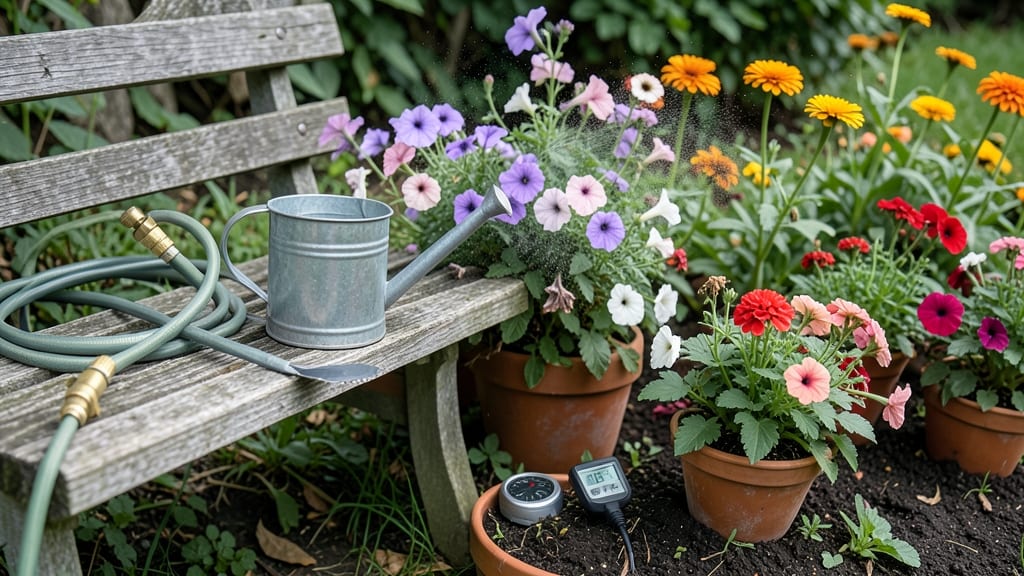
Do you have to water flowers every day? The answer is no—what matters is their type, soil, and climate.
Overwatering kills more plants than underwatering—yet most gardeners don’t know the exact schedule their flowers need to thrive. The truth? A daily watering routine can drown roots just as much as skipping it entirely.
Annuals like petunias or marigolds 🌸 may need water every 2-3 days in summer heat, while drought-tolerant lavender thrives on bi-weekly soakings. Soil type plays a huge role too: sandy soil drains fast, while clay holds moisture longer.
Here’s how to adjust your watering schedule by season, plant type, and even your local weather—so you never guess again.
How often should you water flowers based on plant type?
Watering flowers isn’t a one-size-fits-all task—some varieties thrive with daily hydration, while others wilt from overzealous watering. The key lies in understanding your plant type, soil conditions, and climate.
Annuals like petunias demand consistent moisture, while succulents store water like tiny reservoirs. Let’s break down the exact watering schedules for common flowers so you can keep them blooming without guesswork.
Before grabbing your watering can, check your soil moisture—stick your finger 1-2 inches deep. If it feels dry, it’s time to water. If damp, hold off. Most flowers prefer deep, infrequent watering over shallow daily sips, which encourages strong root growth.
However, high-maintenance annuals like geraniums or impatiens may need more frequent attention, especially in hot, dry summers. Let’s dive into the specifics.
| Plant Type | Watering Frequency | Best Time to Water | Notes |
|---|---|---|---|
| Annuals (Petunias, Marigolds, Zinnias) | Every 1-2 days (summer) | Early morning | Needs consistent moisture; mulch helps retain water. |
| Perennials (Coneflowers, Black-Eyed Susans, Lavender) | Every 2-3 days (summer) | Morning or evening | Drought-tolerant once established; reduce in fall. |
| Succulents (Sedum, Echeveria, Aloe) | Every 7-14 days (spring/fall) | Mid-morning | Overwatering kills more succulents than underwatering. |
| Bulbs (Tulips, Daffodils, Hyacinths) | Every 3-5 days (spring) | Evening | Water deeply after blooming to replenish roots. |
| Tropicals (Begonias, Fuchsias, Caladiums) | Every 1-2 days (summer) | Morning | High humidity lovers; avoid soggy soil. |
For annual flowers like petunias or zinnias, daily watering in peak summer heat is often necessary to prevent wilting. These plants have shallow roots and can’t store much moisture.
Aim to water early in the morning to reduce evaporation and fungal risks. A 5-minute deep soak is better than a quick sprinkle—it encourages roots to grow downward for stability.
Perennials like coneflowers or black-eyed Susans are far more drought-tolerant once established. After their first year, they often thrive on weekly watering during dry spells. The key is to water deeply but infrequently, mimicking natural rainfall.
In USDA Zone 6a, I’ve seen these perennials survive weeks without rain once their roots are well-developed.
Succulents and drought-resistant flowers like sedum or yarrow are the low-maintenance stars of the garden. These plants store water in their leaves and stems, so overwatering is their biggest threat.
In my garden, I water these every 10-14 days in spring and every 3-4 weeks in summer, adjusting based on rainfall. Always check the soil—if it’s still damp, skip watering entirely.
Seasonal adjustments are critical. In summer, most flowers need 20-30% more water due to heat and evaporation. In fall, reduce frequency as temperatures drop. Winter watering should be minimal—just enough to keep the soil from drying out completely.
For example, roses in my garden get bi-weekly watering in winter unless we have a dry spell, while spring-blooming bulbs like tulips need consistent moisture as they push up through the soil.
Don’t forget about container-grown flowers—they dry out 3-5x faster than in-ground plants. Potted geraniums or impatiens may need daily watering in summer, especially in small pots.
Use a moisture meter or the finger test to avoid guesswork. Pro tip: Add water-retaining granules to potting mix to extend time between waterings.
Mulching is your secret weapon for water conservation. A 2-3 inch layer of mul
5 Signs your flowers need water (and when to hold off)
Watering flowers can feel like a guessing game—pour too much, and you smother their roots; too little, and they wilt faster than a summer sunrise. The key is learning how to read your plants like a pro.
Most gardeners assume daily watering is the rule, but the truth is far more nuanced. Your roses might need deep soaks every 3 days, while your succulents could survive on a sip every two weeks.
Instead of relying on a rigid schedule, focus on your flowers' visual and tactile cues. A simple touch test on the soil or a quick inspection of the leaves can tell you everything you need to know.
For example, if the leaves feel lightweight and crispy, it’s a cry for hydration. But if they’re soggy and yellowing, you’ve overdone it. Let’s break down the 5 unmistakable signs your flowers are thirsty—or drowning.
First, check the soil moisture with your finger. Stick it about 1-2 inches deep—if it feels dry and crumbly, your flowers are thirsty. For container plants, lift the pot: if it’s light as a feather, water immediately.
Pro tip: Use a soil moisture meter for accuracy, especially if you’re growing delicate blooms like orchids or bulbs like tulips, which hate soggy roots.
Next, observe the leaves and stems. Wilted foliage is the most obvious sign, but don’t confuse thirst with heat stress. Gently press a leaf—if it springs back, it’s likely just hot weather fatigue.
However, if it stays limp and droopy for hours, even after evening, it’s time to water. Yellowing leaves, especially at the base, can also signal underwatering, while brown, crispy edges often mean the roots aren’t getting enough oxygen.
Don’t ignore the flower buds either. If they’re falling off before opening or staying stubbornly closed, your plants are begging for water. This is especially true for heavy bloomers like hydrangeas or peonies, which need consistent moisture to support their lush growth.
Conversely, if your buds are mushy or rotting, you’ve overwatered, and the roots are suffocating.
For a quick diagnosis, perform the “squeeze test” on the stems. Healthy stems should feel firm and resilient. If they’re soft or hollow-sounding when tapped, the roots are rotting from excess water. On the flip side, if the stems feel brittle and dry, your flowers are parched.
Adjust your watering based on these tactile clues—your plants will thank you with vibrant blooms and robust growth.
Finally, pay attention to the time of day you water. Morning is ideal because it gives leaves time to dry out before nightfall, reducing fungal risks. If you notice white powdery spots or black spots on leaves after watering, you’re likely watering too late in the day.
Balance is everything: water deeply but infrequently, and always prioritize root health over surface moisture. Your flowers will thrive when you listen to them, not just the calendar.