
Watering
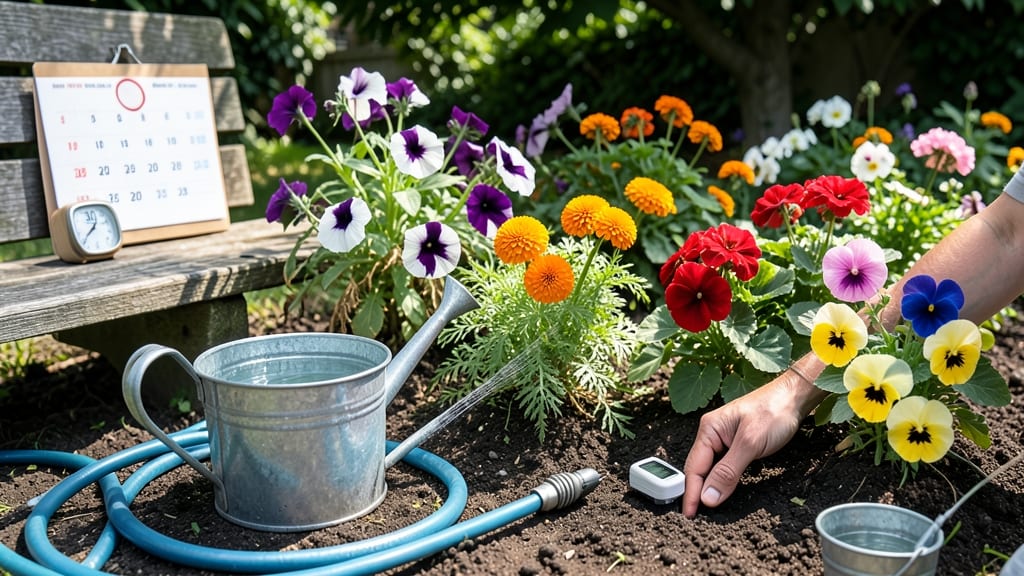
Watering flowers every day can actually harm them more than help, especially when you factor in soil type, weather, and the specific needs of your 🌸 blooms.
Overwatering your flowers can be just as damaging as neglect—yet many gardeners fall into the trap of assuming "more water means healthier plants." The truth lies in understanding your flowers' needs and avoiding common mistakes that stunt growth or even kill them.
Think about it: soggy soil cuts off oxygen to roots, while dry soil signals stress. The key is finding that balance—watering deeply but not drowning them, adjusting for rain, and knowing when to hold back.
In this guide, I’ll break down the science-backed schedule for your flowers, seasonal adjustments, and how to spot overwatering before it’s too late. Let’s make your garden thrive without the guesswork!
How often should you water flowers to avoid overwatering?
Watering flowers is an art—not a science—where the line between hydration and drowning is thinner than you think. Many gardeners assume daily watering keeps flowers thriving, but overwatering suffocates roots, invites pests, and stunts growth.
The key? Understanding your flowers' unique needs and adjusting for climate, soil type, and pot size.
I’ve learned the hard way that annuals like petunias and tropicals like hibiscus demand different care. While some flowers need daily moisture in summer heat, others—like drought-tolerant lavender—thrive on weekly deep watering. The solution? A tailored approach that balances moisture with airflow to prevent root rot.
Here’s the science-backed breakdown of when to water—and when to hold back—based on flower type, soil, and environmental factors:
| Flower Type | Watering Frequency | Soil Depth Check | Environmental Adjustments | Signs of Overwatering |
|---|---|---|---|---|
| Annuals (Petunias, Marigolds) | Every 2-3 days in summer; 3-4 days in spring/fall | Top 1-2 inches dry | Morning watering; mulch to retain moisture | Yellow leaves, mold, wilting |
| Perennials (Lavender, Coneflowers) | Every 5-7 days; deep soak weekly | Top 3-4 inches dry | Drought-tolerant; reduce in rainy seasons | Brown leaf tips, stunted growth |
| Tropicals (Hibiscus, Orchids) | Daily in hot climates; every other day in cooler months | Top 1 inch dry; never soggy | High humidity; well-draining pots required | Root rot, black stems, fungal spots |
| Container Flowers (Geraniums, Pansies) | Every 1-2 days in summer; 2-3 days in cooler months | Top ½ inch dry; check drainage holes | Pots dry faster; larger pots = less frequent watering | Crusty soil, algae on surface |
| Drought-Tolerant (Succulents, Cacti) | Every 2-4 weeks; soak-and-dry method | Top 2-3 inches completely dry | Full sun reduces water needs | Soft, mushy stems, shriveled leaves |
Your soil type plays a huge role—sandy soil drains quickly, while clay holds moisture for days. I test soil moisture by sticking my finger 2 inches deep: if it’s dry, water; if damp, wait.
For potted flowers, lift the pot—if it’s light, it’s time to water. Pro tip: Use a moisture meter for accuracy, especially in container gardens.
Climate matters too. In hot, dry summers, most flowers need daily watering until established, while cool springs may only require every 5-7 days. Tropical flowers like hibiscus wilt faster in heat, while lavender thrives with less.
Adjust based on rainfall: skip watering if you’ve had 1 inch of rain in 24 hours.
Overwatering shows up fast—yellowing leaves, mushy stems, or white mold on soil. I’ve seen root rot kill entire beds in weeks. The fix? Improve drainage with perlite or sand, repot in well-draining soil, and water only at the base (not leaves) to prevent fungal issues.
For newly planted flowers, water deeply every 2-3 days for the first 2 weeks to encourage root growth. After that, taper off to established schedules.
Group flowers with similar needs together to simplify care—petunias and geraniums can share a watering routine, while succulents and lavender need separate attention.
Remember: morning watering is best—it reduces evaporation and fungal risks. Avoid evening watering, as damp leaves overnight invite blight. If you’re unsure, err on the side of underwatering and adjust as needed. Your flowers will thank you with vibrant blooms and strong stems.
🌸💧
Signs of overwatering flowers and how to fix them
Even with good intentions, overwatering flowers is a common mistake that can suffocate roots and invite diseases. Yellowing leaves, mushy stems, and foul-smelling soil are red flags most gardeners miss until it's too late.
The key is recognizing these symptoms early and adjusting your care routine before root rot sets in.
Most flowers thrive on moderate moisture, not constant dampness. When you water daily, you risk creating a breeding ground for fungal infections and bacterial wilts. Even drought-tolerant varieties like lavender or succulents can drown if their roots sit in soggy soil for too long.
🌱
⚠️ Watering Flowers Daily Is Risky!
Daily watering is only safe for container plants in hot climates (like 90°F+). For most flowers, this schedule leads to:
- Root suffocation from lack of oxygen
- Soil-borne diseases like Phytophthora
- Nutrient leaching from constant runoff
Test your soil first: Stick your finger 1-2 inches deep. If it's damp, wait 2-3 days before watering again.
Start by examining the leaves and stems—yellowing foliage with crispy edges often signals overwatering, not drought. Mold or mildew on leaves or soil surface is another clear warning. For potted flowers, check the bottom of the pot for water pooling, which means excess moisture isn't draining.
To fix overwatered flowers, stop watering immediately and move them to a shady spot for 2-3 days. If the soil is waterlogged, mix in perlite or sand to improve drainage. For severe cases, gently remove the plant, trim any blackened roots, and repot in fresh, well-draining soil.
Prevent future issues by upgrading your drainage system. Add a 2-inch layer of gravel to pot bottoms or create raised beds with sandy loam. Use a moisture meter to track soil conditions—aim for 60% moisture at 2 inches deep before watering again.
💧