
Flowers
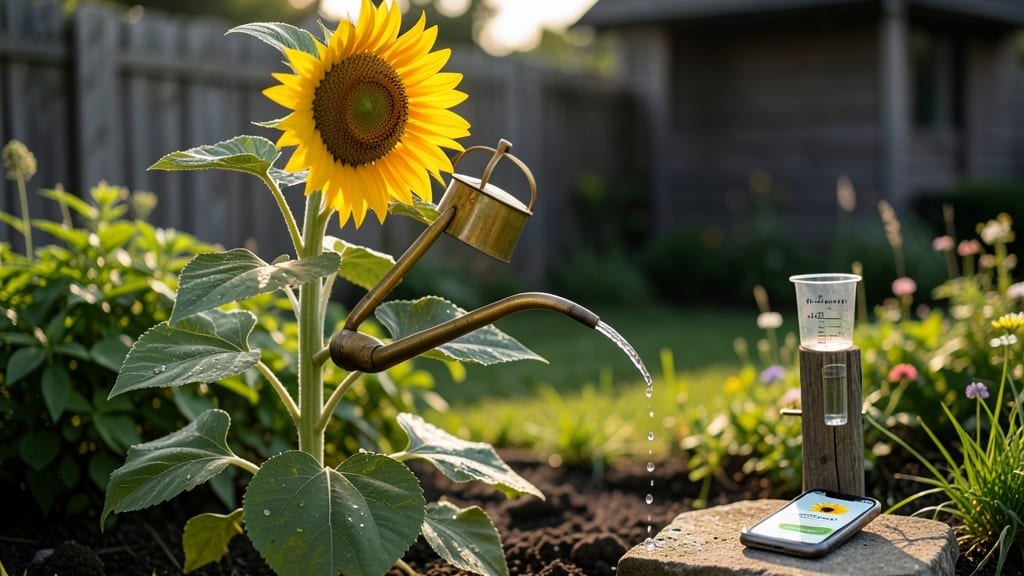
To keep your sunflowers thriving, how often should sunflowers be watered deeply about once every 3-5 days—but the real secret lies in how you do it, not just how often.
Picture this: you’ve just planted your 🌻 sunflowers in Zone 6a, and the soil feels damp after a morning watering. A week later, the leaves are wilting, but the ground still looks moist.
What went wrong? The answer isn’t just how often—it’s how deep. Sunflowers need water to reach their roots, not just the surface, or you’ll end up with weak stems and stunted blooms.
Overwatering turns the soil soggy, inviting rot, while underwatering stresses the plant just as badly. The key is a consistent, deep soak—about 1-2 inches of water per week—and adjusting for your soil type.
Sandy soil drains fast, while clay holds moisture longer. I’ll show you how to read your sunflowers’ signals and tweak your schedule so they grow tall, strong, and full of sun.
You’ll learn the exact watering routine for each growth stage—from seedlings to seed heads—plus how to spot trouble early. No more guesswork, just golden, healthy sunflowers that reach for the sky.
Sunflower watering schedule by growth stage: deep-soil secrets for maximum growth
Sunflowers thrive on consistency, but their water needs change dramatically as they grow. From delicate seedlings to towering giants, each stage demands a different approach to keep roots happy without drowning them. The key? Deep, infrequent watering that encourages strong root systems while preventing root rot or drought stress.
Let’s break down the perfect schedule for each phase—plus how to adjust for your soil type.
Most gardeners make one of two mistakes: either overwatering young plants (leading to mold) or underwatering mature ones (causing wilting). Sunflowers are surprisingly drought-tolerant once established, but their early stages are far more delicate.
The secret lies in soil depth—watering deeply enough to reach the roots (typically 6-12 inches down) rather than just wetting the surface.
During the seedling stage, sunflowers need gentle but frequent watering to keep the soil evenly moist. Aim for 2-4 inches of soil depth—stick your finger in the dirt to check. If the top 1 inch feels dry, it’s time to water.
For clay soil, which holds moisture longer, reduce frequency by 20% to avoid soggy roots. In sandy soil, water 30% more often because it drains quickly.
As sunflowers enter the vegetative stage (3-6 weeks), they’ll start growing like crazy. This is when you shift to deep watering every 3-4 days, targeting 6-8 inches of soil depth.
Morning watering is ideal—it gives leaves time to dry before evening, reducing fungal diseases. If your garden gets hotter than 90°F, increase frequency to every 2-3 days to prevent wilting.
The flowering stage (7-10 weeks) is where many gardeners slack off, but this is actually when sunflowers need consistent moisture to support those heavy blooms. Water every 4-5 days, ensuring the water reaches 8-12 inches deep.
If your soil is clay-heavy, skip watering if the top 2 inches are still damp. For sandy soil, you may need to water every 2-3 days to prevent drought stress.
Once sunflowers hit the seed production stage (10+ weeks), they’re more drought-resistant but still benefit from deep, infrequent watering. Reduce frequency to every 5-7 days, focusing on 10-12 inches of soil depth.
Overwatering now can cause seed rot, while underwatering may lead to premature wilting. If you’re growing sunflowers for seeds, maintain this schedule until the back of the flower head turns yellow-brown.
Pro tip: Use a moisture meter or the finger test to avoid guesswork. Stick your finger 2 inches into the soil—if it feels dry, water deeply. If it’s still moist, wait another day.
Mulching with straw or wood chips helps retain moisture and regulates soil temperature, reducing your watering workload by up to 30%.
One common mistake is watering at night, which can lead to fungal infections like powdery mildew. Always water in the early morning (before 10 AM) to give foliage time to dry. If you’re using drip irrigation, place emitters 6 inches from the stem to avoid wetting leaves directly.
Remember, sunflowers are deep-rooted champions—they’ll tell you when they’re thirsty by drooping slightly in the afternoon. A quick deep watering usually revives them within hours. With this stage-specific schedule, you’ll grow sunflowers that reach their full potential, standing tall and proud in your garden. 🌻
Signs your sunflowers are overwatered or underwatered: a visual guide to fixing common mistakes
Sunflowers 🌻 thrive on balance, and their leaves speak volumes about your watering habits. Yellowing leaves or wilted stems often signal trouble—but knowing the difference between overwatered and underwatered sunflowers saves your plants.
Overwatering creates soggy soil and fungal risks, while underwatering stunts growth and causes drooping. Let’s decode the symptoms so you can adjust your routine before it’s too late.
First, check the soil moisture by sticking your finger 2-3 inches deep. If it’s damp or sticky, you’re overwatering. If it’s bone-dry, your sunflowers are thirsty.
Container-grown sunflowers dry out faster than in-ground plants, so they need more frequent checks. Mold or mildew on leaves or stems is a red flag for excess moisture, while crispy edges or curled leaves scream drought stress. Adjust your schedule based on these clues.
🌱
How Often Should Sunflowers Be Watered?
- Deep water 1-2x/week (1-2 inches per session)
- Water in morning (reduces fungal risk)
- Use mulch (retains moisture, regulates soil temp)
- Adjust for heatwaves (daily watering if temps exceed 90°F)
- Water at night (promotes disease)
- Let soil stay soggy (roots rot in 2-3 days)
- Ignore container drainage (use pots with holes)
- Skip adjustments for rain (hold off if >1 inch falls)
If your sunflowers show yellow lower leaves with green upper leaves, overwatering is likely. The excess moisture blocks oxygen, causing roots to suffocate. Pull back immediately—let the top inch of soil dry out before watering again.
For containers, ensure they have drainage holes and avoid saucers that trap water. If the soil smells sour or leaves develop brown spots, you’ve created a fungal paradise.
On the flip side, wilting during the day (not just evening) and leaves curling inward mean your sunflowers are parched.
Unlike overwatered plants, underwatered ones often recover after a deep drink. Water deeply until it runs out the drainage holes (for containers) or seeps 6 inches into the soil (for in-ground plants).
During heatwaves, increase frequency to every 1-2 days and water at the base of the stem to minimize evaporation.
💧
Weather plays a huge role—rainy seasons can drown sunflowers if you don’t adjust. After heavy rain, check soil moisture before watering. For container sunflowers, reduce watering by 50% during humid months, as pots dry out slower.
In-ground plants handle rain better but may need extra mulch to prevent soil compaction. Always prioritize consistent moisture over sporadic soakings; sunflowers hate boom-and-bust cycles that stress their roots.