
Flowers
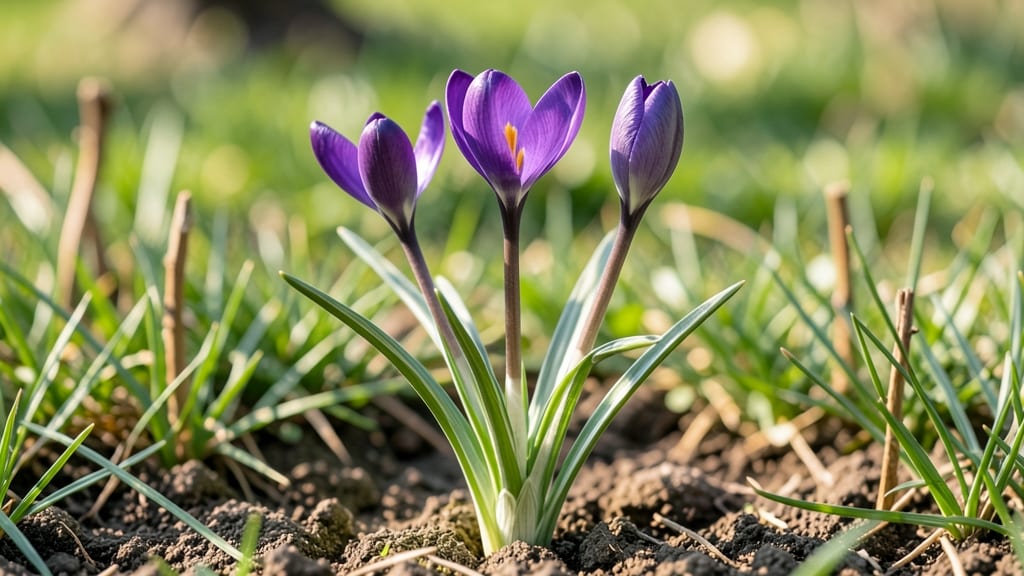
The crocus flower bloom time is one of nature’s most reliable early spring signals—those cheerful 🌷 faces popping up when you least expect them.
Wondering when those cheerful purple, white, or yellow crocuses will finally push through your winter soil? Timing these early bloomers right can turn your garden into a spring spectacle—here’s how to predict their exact emergence based on your hardiness zone.
In USDA Zone 6a, like much of the Midwest, you’ll typically spot the first blooms between late February and early March, with some varieties like Crocus vernus appearing as early as January in milder microclimates.
Below, I’ll break down the exact months to expect blooms in your zone, how to accelerate their arrival, and why some years they seem to take forever to show up.
Crocus bloom time by USDA Zone: exact months to expect first flowers
Predicting when your crocus flowers will bloom depends heavily on your USDA hardiness zone and local microclimates. These hardy perennials often emerge as early as late winter, offering the first splash of color after snow melts.
In colder zones, blooms may appear weeks earlier than in warmer climates, while saffron crocuses (Crocus sativus) often bloom slightly later in the season.
Your zone number isn't the only factor—elevation, soil temperature, and even nearby water bodies can shift bloom times by 2-4 weeks.
For example, a Zone 5 garden near a lake might see Crocus vernus bloom in early March, while a drier inland site could delay blooms until mid-April. Let's break down the exact monthly windows for each zone.
Pro Tip: Plant autumn crocuses like Crocus tommasinianus in fall (September-October) for earliest spring blooms. These varieties often emerge 2-3 weeks before their spring-planted cousins.
In Zone 3-4, where winters are harshest, Crocus vernus often pushes through snow for late February blooms. These early risers thrive on cold stratification during winter, which triggers their growth.
If you're in Zone 5-6, expect mid-March to be your peak bloom window for most varieties, with Crocus tommasinianus lasting until early May.
Gardeners in warmer zones (7-10) sometimes struggle with late blooms because mild winters don't provide enough chill hours.
For Zone 9-10, plant autumn crocuses in late fall (November) to ensure they get the 6-8 weeks of cold they need for reliable blooms. Saffron crocuses (Crocus sativus) are the exception—they often bloom 1-2 weeks later than other varieties.
Don't forget that microclimates can create localized bloom shifts. A south-facing slope in Zone 6 might see Crocus vernus bloom in late February, while the same variety in a north-facing shady spot could wait until mid-April.
To maximize early blooms, plant near sunny walls or heat-absorbing rocks.
For fall-planted crocuses, timing is critical. Plant 6-8 weeks before your average first frost to allow corms to establish roots. In Zone 7, that means late September planting for March blooms. In Zone 4, aim for early September to avoid early frost damage.
If your crocuses bloom later than expected, check for overwatering or poor drainage, which can delay growth. Amend soil with sand or grit to improve drainage, especially
How to accelerate Crocus bloom time: pro tips for earlier flowers
Want those vibrant crocus blooms to appear weeks earlier? The secret lies in strategic planting and care. Crocuses naturally bloom in late winter to early spring, but with the right techniques, you can coax them to push through the soil 2-4 weeks sooner.
Start by understanding their natural dormancy cycle—they need a period of cold to trigger blooming, but too much moisture or poor soil can delay their emergence.
Timing is everything. Planting in early fall (late September to early October) gives crocuses enough time to establish roots before winter. This head start means they’ll wake up earlier in spring, ready to bloom.
But don’t stop there—soil prep and light exposure play equally critical roles in accelerating their bloom time. Let’s dive into the proven strategies that work.
🌱 5 Pro Tips to Speed Up Crocus Bloom Time
-
1. Optimize Soil pH and Drainage
Test your soil—crocuses thrive in pH 6.5-7.0. Amend with compost or sand for better drainage. Poor drainage causes rot, delaying blooms by weeks. -
2. Plant Corms Shallow and Spaced
Dig holes 3-4 inches deep (not deeper!) and space corms 3-4 inches apart. Shallow planting encourages faster root growth, leading to earlier shoots. -
3. Maximize Sunlight Exposure
Crocuses need 6+ hours of sunlight daily. Plant in south-facing beds or containers near windows. Partial shade delays blooms by 1-2 weeks. -
4. Mulch Strategically in Fall
Apply 2-3 inches of mulch (straw or shredded leaves) after planting. This insulates soil, protecting roots from freeze-thaw cycles that can stress corms. -
5. Choose Early-Blooming Varieties
Opt for Crocus vernus or Crocus tommasinianus—they bloom 2-3 weeks earlier than late varieties like Crocus sativus. Check seed packets for "early spring" labels.
Don’t overlook the power of fall fertilization. A light application of 5-10-10 fertilizer (1 tbsp per 10 sq ft) in early fall provides nutrients without overstimulating growth.
This ensures your crocuses have the energy to bloom as soon as conditions warm. Avoid heavy fertilizers—they can cause foliage growth at the expense of flowers.
For container-grown crocuses, use well-draining potting mix with perlite. Place pots in bright, indirect light during winter to simulate natural light cycles. This trick can advance bloom time by up to 2 weeks in colder climates. Just be sure to harden off containers before moving them outdoors in spring.
Finally, monitor your local frost dates. Planting too early in warm zones (like Zone 9) can cause crocuses to sprout prematurely, only to be damaged by unexpected cold. Aim for 6-8 weeks before your first frost—this gives roots time to establish without risking early growth.
With these adjustments, you’ll enjoy earlier, more abundant blooms year after year.
Ready to transform your garden? Grab your gloves and start prepping soil this fall—your early spring crocus show is just weeks away! 🌷