
Flowers
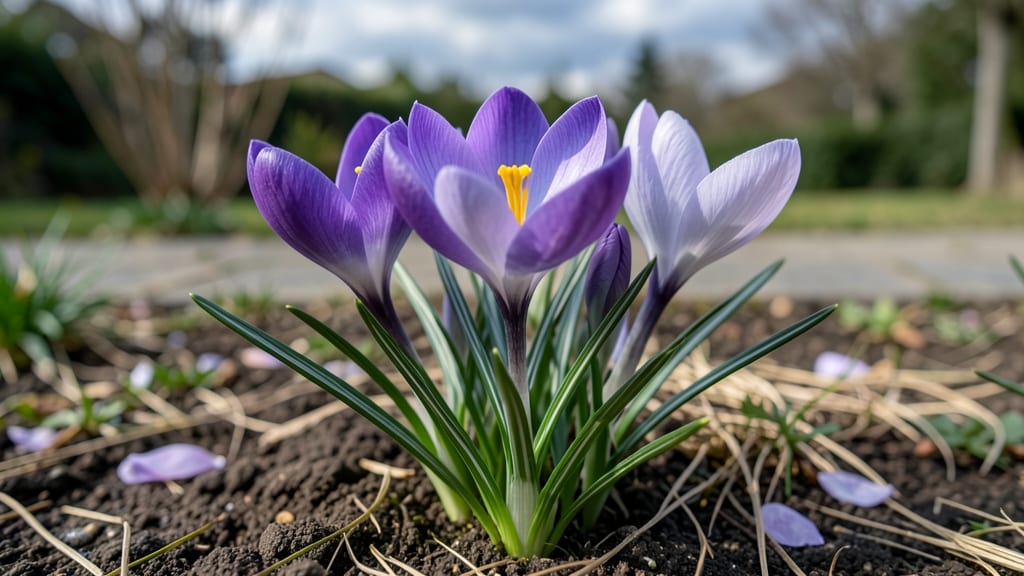
Crocus flowers bloom in late winter or early spring, with timing that shifts from February in warmer zones to March or April in colder regions—and yes, that’s when the magic happens.
If you’ve ever wondered why these 🌷 harbingers of spring seem to pop up overnight, the answer lies in your USDA zone, frost dates, and even the specific variety you’ve planted.
In Zone 6, where many gardeners live, crocus often push through snow to reveal their purple, white, or yellow blooms by early March—but in Zone 3, you might not see them until late April.
What makes this timing so tricky? Climate plays a huge role: a mild winter can trigger earlier blooms, while a late frost might delay them. Even microclimates—like a sunny south-facing slope—can shift bloom dates by weeks.
Understanding these factors is the key to planning your garden so crocus don’t just appear, but thrive alongside tulips and daffodils.
Below, I’ll break down the exact months to expect blooms in your zone, how to adjust for early or late frosts, and which varieties bloom first—so you can time your garden like a pro.
Crocus bloom times by USDA Zone: exact months for each region
Crocus flowers are nature’s first heralds of spring, but their exact bloom time varies dramatically depending on your USDA zone.
In colder northern regions like Zone 3, they may appear as early as late February, while in warmer Zone 10, you might see them blooming in December or January. Understanding these regional differences helps you choose the right varieties and plan your garden for maximum impact.
The key to successful crocus timing lies in frost dates and soil temperature. Most crocus bulbs need a period of winter chilling to trigger blooming, but they’re also sensitive to late frosts.
In Zones 4-7, where frosts are common into April, selecting late-blooming varieties can protect delicate flowers. Let’s break down the exact months for each zone.
In Zone 3, where winters are harsh, crocus often bloom as early as late February to take advantage of brief warm spells. These early bloomers are typically hardy varieties like Crocus tommasinianus or Crocus chrysanthus, which can withstand sub-zero temperatures.
In contrast, gardeners in Zone 10 enjoy a winter bloom from December through February, making crocus a year-round garden staple.
For gardeners in Zones 4-7, where late frosts are common, timing is critical. Planting late-blooming varieties like Crocus vernus ensures flowers appear after the last expected frost date.
In my own Zone 6 garden, I’ve found that crocus planted in October bloom reliably by mid-April, just as daffodils begin to push through the soil.
Microclimates can also shift bloom times by 2-4 weeks. A south-facing slope may see crocus bloom 10-14 days earlier than a north-facing area in the same zone. To account for this, I always plant
How climate affects crocus flowering: sunlight, soil, and frost factors
Crocus flowers are famous for their early spring blooms, but their exact timing depends heavily on three key climate factors: sunlight exposure, soil temperature, and frost sensitivity.
Unlike many spring flowers, crocuses thrive in cooler conditions, which means warmer winters or delayed frosts can push blooms later—or even prevent them entirely in extreme cases.
In my Zone 6 garden, I’ve noticed that Crocus vernus often blooms in late February to early March, but only if the ground stays cool and frost-free.
One year, an unseasonably warm January caused my crocuses to push up too early, only to get nipped by a surprise 28°F frost in late February—leaving me with brown stems and no blooms at all.
⚠️ Late Frost Risk for Early Bloomers
Crocuses are frost-tender when buds form (even 20°F can damage emerging flowers). If your area has late frosts after February 15, opt for Crocus tommasinianus or Crocus chrysanthus—they bloom later and handle cooler temps better.
Protect early bloomers with lightweight row covers or cloche bells if frost is forecasted during bloom time. Remove covers during the day to prevent overheating.
Sunlight plays a surprisingly small role in crocus blooming compared to other flowers. While they prefer full sun to partial shade, they’ll still flower in 4-6 hours of morning sun—just expect slightly smaller blooms in shadier spots.
The real game-changer is soil temperature: crocuses need 40-50°F soil to trigger flowering, which is why they bloom so early in the season.
To encourage earlier blooms, I’ve had success planting crocuses in sandy, well-draining soil mixed with compost. This helps the soil warm up faster in early spring.
For later blooms, delay planting until late September or October, giving the bulbs more time to establish roots before winter sets in.
Another trick I’ve used is mulching with straw after planting. A 2-inch layer helps insulate the soil, keeping temperatures stable and reducing the risk of frost heave (when bulbs get pushed out of the ground by freezing/thawing cycles).
This is especially helpful in Zone 5 and colder, where winter temperatures fluctuate wildly.
If you’re in a warmer zone (Zone 8+), crocuses may bloom as early as December or January, but they’ll often go dormant by late spring. In these areas, focus on fall-blooming varieties like Crocus speciosus to extend your display.
Just remember: too much heat delays blooming, so avoid planting in south-facing, exposed beds where soil overheats.
For gardeners in transition zones (Zone 6-7), the key is microclimate awareness. A north-facing bed stays cooler longer, while a south-facing slope warms up faster. I’ve planted crocuses along my north-facing foundation to ensure they bloom reliably, even if other parts of the garden experience late frosts.