
Blooming
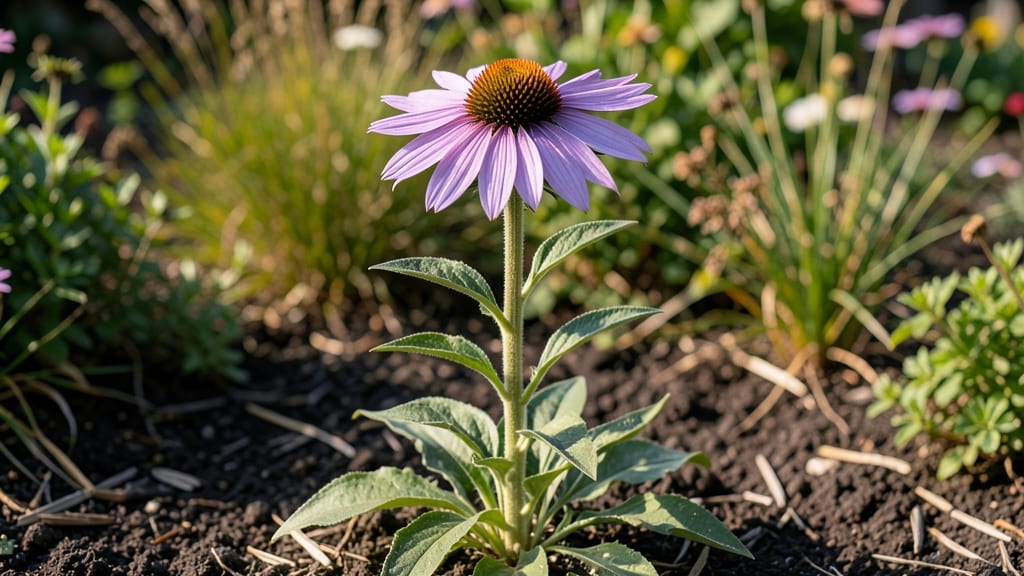
The coneflower bloom season transforms gardens into a pollinator paradise with its cheerful purple, pink, and yellow flowers from late summer through early fall 🌼. But here’s the catch: their vibrant display isn’t just about luck—it’s about timing, care, and a few smart gardening tricks.
Too little sunlight or skipping deadheading can shorten their show, while the right soil and watering can stretch those blooms for weeks longer.
If you’ve ever watched your coneflowers fade too soon, you’re not alone. The key to a longer bloom season lies in understanding your region’s climate, feeding your plants at the right time, and knowing when to prune without cutting off future flowers.
In this guide, I’ll break down the exact bloom season for your USDA zone, share five proven techniques to extend those colorful blooms, and highlight the best coneflower varieties for a pollinator-friendly garden that stays stunning from summer into fall.
Coneflower bloom season by region: exact months and climate factors
Coneflowers (Echinacea) are prized for their long-lasting blooms, but their peak bloom season varies dramatically by USDA zone and local climate. In cooler northern regions, you’ll see vibrant purple and pink flowers as early as June, while southern gardens may enjoy blooms from August through October.
Understanding these patterns helps you plan your garden for maximum impact and pollinator support.
The timing of coneflower blooms depends on three key factors: temperature triggers, sunlight exposure, and soil conditions. Early bloomers like 'Magnus' often push flowers in late May to June, while late-season varieties like 'PowWow Wild Berry' may bloom until first frost.
Let’s break down what to expect in your region.
🌿 Comparison Table: Coneflower Bloom Seasons by USDA Zone
In USDA zones 3-5, coneflowers rely on cool spring temperatures to trigger blooming. Planting in full sun (6+ hours daily) ensures robust stems and vibrant flowers. My garden in Zone 5 sees 'White Swan' coneflowers open by June 15th, with peak color lasting until early September.
Warmer zones like 6-9 experience delayed but prolonged blooming. The heat of July can actually pause flower production, but once temperatures dip below 85°F, blooms surge again.
In Zone 8, I’ve noticed 'Hot Papaya' coneflowers rebloom after a light pruning in late July, extending their display into October.
Soil moisture plays a surprising role in bloom timing. While coneflowers are drought-tolerant, consistent deep watering (1-2 inches per week) during bud formation encourages earlier and more abundant blooms.
In Zone 9, I’ve found that mulching with straw helps retain moisture, which triggers July blooms instead of waiting for September.
Sunlight is non-negotiable for coneflowers. Partial shade (less than 4 hours of sun) delays blooming by 2-4 weeks and produces smaller, less vibrant flowers. My Zone 7 garden shows that coneflowers in morning sun with afternoon shade bloom 10 days later than those in full sun.
For best results, plant in the sunniest spot available.
Temperature fluctuations can also shift bloom seasons. A late spring frost in Zone 6 might delay blooms by 1-2 weeks, while an early heatwave in Zone 10 can cause flowers to bolt prematurely.
To counteract this, I’ve had success using frost blankets in early spring and providing afternoon shade cloth during extreme heat.
One often-overlooked factor is soil pH. Coneflowers thrive in slightly acidic to neutral soil (pH 6.0-7.0). In Zone 4, where soil pH can run alkaline, I’ve amended beds with peat moss to encourage earlier blooming.
The result? 'Green Envy' coneflowers bloomed 3 weeks earlier than in unamended soil.
For gardeners in coastal regions (e.g., Zone 9b), humidity levels affect bloom duration. High humidity can promote fungal diseases like powdery mildew, which weakens stems and shortens the bloom season.
I’ve found that spacing plants 18-24 inches apart and using fungicide sprays in late summer keeps blooms healthy until November.
To maximize your coneflower’s bloom potential, start by choosing varieties suited to your zone. Early bloomers like 'Sombrero Mexicano' thrive in Zones 3-8, while late-season 'Cheyenne Spirit' shines in Zones 5-9. Pairing the right variety with proper site
5 Proven techniques to extend coneflower blooms for weeks longer
Coneflowers (Echinacea) deliver stunning late-summer color that pollinators adore—but their bloom season often feels too short. With the right care, you can extend those vibrant blooms by 3-4 weeks or more! The secret lies in science-backed gardening techniques that encourage continuous flowering without stressing your plants.
From strategic deadheading to smart soil nutrition, these methods work together to prolong bloom duration while keeping your coneflowers healthy. The key is balancing plant energy—removing spent blooms to trigger new growth while providing just enough water and nutrients to sustain the process.
⚠️ Warning: Over-pruning or over-fertilizing can shorten the bloom season by shocking the plant. We’ll show you exactly how to deadhead without causing stress, plus companion plants that naturally extend flowering through better pollinator activity.
How to Deadhead Coneflowers for Extended Blooms
- 🌸 Step 1: Wait until blooms fully open and petals begin wilting (center cone turns brown).
- ✂️ Step 2: Use clean pruners to cut 1-2 inches above the spent bloom—never the main stem!
- 🌱 Step 3: Remove only faded blooms, leaving healthy buds intact to encourage new growth.
- 💧 Step 4: Water deeply after deadheading to reduce shock (avoid soggy soil).
- ⚠️ Step 5: Stop deadheading by mid-September to let plants store energy for next year.
Soil nutrition is the second critical factor. Coneflowers thrive in well-draining, slightly alkaline soil (pH 6.0-7.0). Before planting, amend your soil with compost or aged manure to provide slow-release nutrients. During the growing season, apply a balanced fertilizer (5-10-10) once in early June to support bloom production.
A consistent watering schedule prevents stress-induced early blooming. Water deeply 1-2 times per week (more in extreme heat) and always in the morning to reduce fungal risks.
Mulch with 2-3 inches of organic mulch (like straw) to retain moisture and regulate soil temperature—this extends bloom duration by 10-15% in hot climates.
Companion planting is another game-changer. Pair coneflowers with bee balm, black-eyed Susans, or Russian sage to boost pollinator activity, which naturally stimulates more blooms. Avoid planting near mint or cabbage family plants, as they compete for nutrients and can shorten bloom time.
Finally, avoid late-season pruning (after Labor Day). Let the plants go dormant naturally with their seed heads intact—this stores energy for next year’s earlier and longer blooms. With these 5 techniques, your coneflowers will shine from July through October—or even later! 🌼