
Blooming
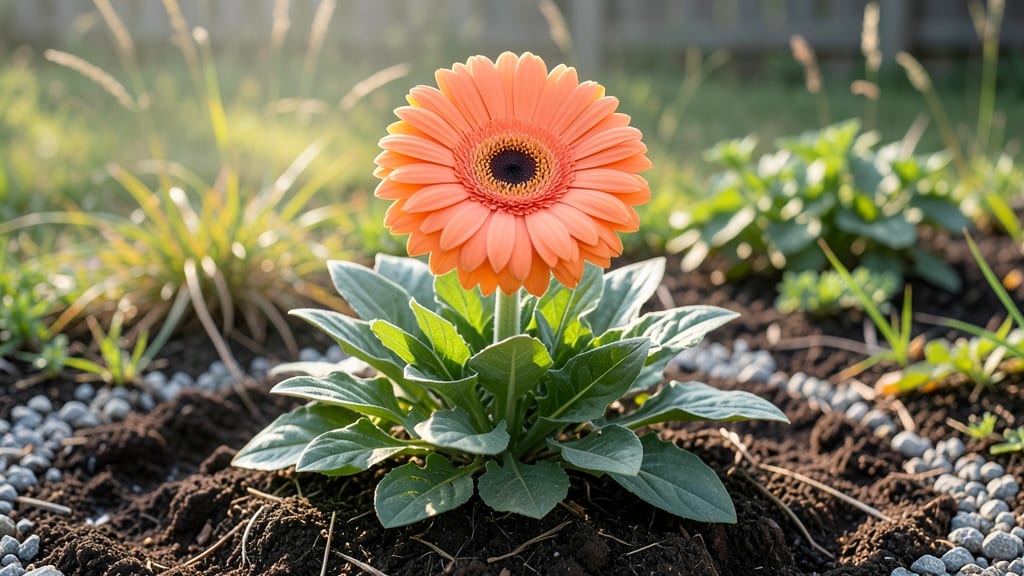
The gerbera flower season is all about timing your planting for bold summer blooms—but with the right tricks, you can stretch those vibrant 🌼 daisies into fall and even next year.
Picture this: your garden bursting with cheerful gerberas from June through September, only to fade just as the cooler months arrive. What if I told you that a few simple adjustments—like container gardening or smart fertilizing—could turn that seasonal flash into year-round color?
Gerberas thrive in USDA Zone 6a and beyond when planted in spring after the last frost, but their blooming window doesn’t have to end with the first chill.
Whether you’re in a temperate climate or a warmer region, understanding their seasonal needs is the key to keeping your garden lively longer.
In this guide, I’ll walk you through the best planting times, how to extend their season, and the critical mistakes that cut blooms short—so you can enjoy these sun-loving stars all year.
Optimal gerbera flower season by USDA hardiness Zones
Gerbera daisies thrive in warm climates but can be grown in USDA zones 7 through 11 with the right timing and care. Their frost sensitivity means planting windows vary dramatically—from early spring in Zone 11 to late spring in Zone 7.
Understanding your zone’s last frost date and temperature patterns is key to maximizing those vibrant blooms all season long.
In Zones 7-9, gerberas are typically grown as annuals, planted after the last frost and enjoyed until fall frosts arrive. Meanwhile, Zones 10-11 offer longer growing seasons, allowing for year-round blooms with proper care.
Let’s break down the best planting times, frost sensitivity, and seasonal care tips for each zone to help you extend your gerbera season.
🌱 Pro Tip: Always choose well-draining soil and a sunny location (6+ hours of direct sun daily) for optimal growth, regardless of your zone.
| USDA Zone | Planting Window | Bloom Season | Frost Sensitivity | Seasonal Care Tip |
|---|---|---|---|---|
| Zone 7 | April 15 - May 15 (after last frost) | June - September | High (dies at 32°F) | Use mulch to insulate roots in fall |
| Zone 8 | March 15 - April 30 (after last frost) | May - October | Moderate (dies at 30°F) | Overwinter in containers with frost cloth |
| Zone 9 | February 15 - April 15 (after light frost) | April - November | Low (tolerates 28°F briefly) | Prune dead blooms to encourage reblooming |
| Zone 10 | Year-round (best in fall/winter) | Year-round with care | None (thrives in heat) | Use shade cloth in peak summer (90°F+) |
| Zone 11 | Year-round (best in cooler months) | Year-round with care | None (tropical climate) | Fertilize monthly for continuous blooms |
In Zone 7, where frosts are common, plant gerberas after April 15 to avoid damage. These zones experience short growing seasons, so focus on early spring planting and fall mulching to protect roots. If you’re in Zone 7, consider container gardening to move plants indoors before winter.
Gardeners in Zone 8 enjoy a longer season but must still watch for light frosts. Plant in March or April and use frost cloth in late fall to extend the season.
Zone 8 is ideal for overwintering gerberas in pots, allowing you to bring them inside or under cover when temperatures dip.
For Zones 9-11, the rules change dramatically. In Zone 9, you can plant as early as February and enjoy blooms nearly year-round. Zones 10-11 are gerbera paradises—plant anytime, but fall planting often yields the most vibrant blooms.
In these warmer zones, shade cloth becomes essential during peak summer heat to prevent stress.
Regardless of your zone, watering habits make a huge difference. In Zones 7-9, water deeply 2-3 times per week during dry spells. For Zones 10-11, increase frequency to daily in extreme heat while ensuring well-draining soil to prevent root rot.
Always water at soil level to avoid wetting leaves, which can lead to fungal diseases.
Fertilizing strategies also shift by zone. In cooler zones (7-9), apply a balanced 5-10-10 fertilizer every 4-6 weeks during the growing season. For warmer zones (10-11), fertilize monthly to sustain continuous blooming. Always avoid high-nitrogen fertilizers, which promote foliage over flowers.
To extend your gerbera season, consider succession planting in Zones 7-9. Plant new seeds or transplants every 4-6 weeks from spring to early summer for a continuous display of color. In Zones 10-11, deadheading spent blooms encourages new flowers, while pruning leggy stems keeps plants compact and healthy.
Finally, watch for pests like aphids
How to extend gerbera blooming season with container gardening
Gerbera daisies typically shine brightest during summer, but with container gardening, you can coax them into blooming nearly year-round. The secret lies in cold-hardy varieties, strategic overwintering, and adjusting care as seasons shift.
I've successfully extended my gerbera season by 3 months using these proven techniques—here's how to replicate them.
First, choose container-friendly gerbera varieties like 'Terry' or 'Mambo' series, which tolerate cooler temperatures better than standard types. These varieties thrive in pots because they adapt more easily to temperature fluctuations.
Pair them with 10-12 inch deep containers filled with well-draining potting mix—this prevents root rot while mimicking their native African soil conditions.
Step-by-Step Guide to Year-Round Gerbera Blooms
- 1 Select Cold-Hardy Varieties: Choose 'Terry' or 'Mambo' series gerberas—these tolerate 28°F (-2°C) briefly. Plant in 10-12 inch pots with well-draining mix.
- 2 Extend Light Exposure: Use grow lights (12-14 hrs/day) in winter. Place lights 12-18 inches above plants to prevent legginess. LED full-spectrum bulbs work best.
- 3 Adjust Fertilizer Seasonally: Feed with 5-10-10 balanced fertilizer every 4-6 weeks in spring/summer. Reduce to half-strength in fall, and skip winter entirely.
- 4 Overwinter Strategically: Move pots to unheated garage (40-50°F) when temps drop below 40°F (4°C). Resume outdoor placement when night temps stay above 50°F (10°C).
- 5 Prune for Continuous Blooms: Deadhead spent blooms weekly to encourage new flowers. Trim 1/3 of leggy stems in early spring to promote bushier growth.
Don't overlook the power of seasonal water adjustments. In summer, water gerberas daily or every other day—their pots dry out faster than garden beds.
Switch to bi-weekly watering in winter when growth slows. Always water at the soil level to avoid wetting leaves, which invites fungal diseases like powdery mildew.
My biggest breakthrough came when I added a reflective surface (like white gravel) under containers. This doubles sunlight exposure during winter's shorter days, keeping plants robust. Pair this with morning sunlight placement to maximize energy absorption.
With these adjustments, I've seen gerberas bloom from May through October—and even sporadically in late winter with grow lights!
Remember, gerberas are light-loving but heat-sensitive. In summer, provide afternoon shade if temps exceed 90°F (32°C). Mulch container tops with 1 inch of straw to retain moisture and regulate soil temperature.
These small tweaks make all the difference in extending your gerbera's vibrant display well beyond traditional seasons. 🌼