
Blooming
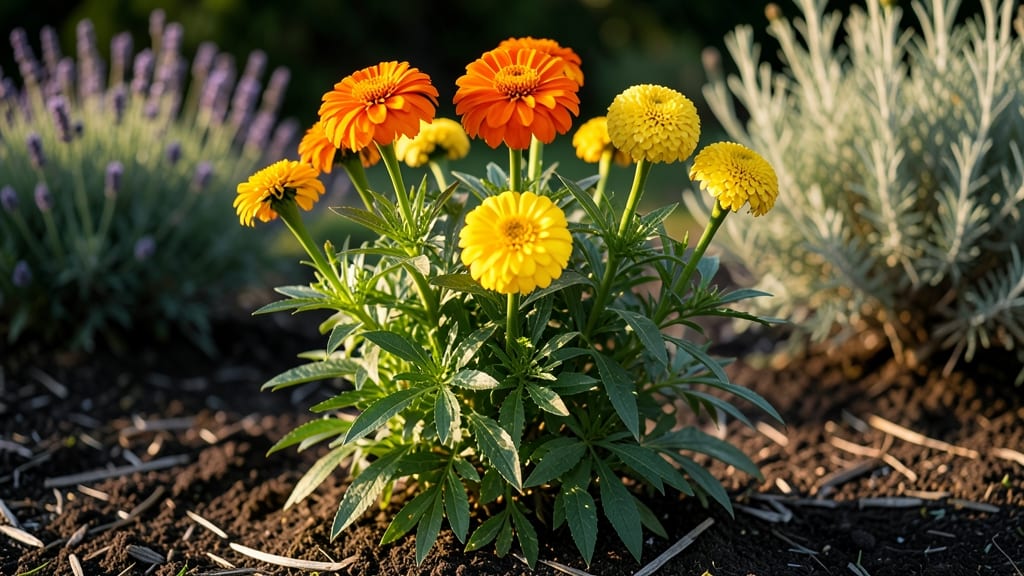
The marigold flower blooming season spans from spring through fall—July to October in most regions—but the exact timing depends on your zone, variety, and a few simple care tricks that make all the difference.
Picture this: you’ve just planted your 🌼 marigolds in April, eager for their bright orange and gold to light up the garden. But by June, the flowers slow down—or worse, stop entirely. That’s not a fluke; it’s a timing and care puzzle most gardeners miss.
The key to nonstop blooms lies in understanding your climate zone (especially if you’re in USDA Zone 6a), choosing the right varieties, and mastering deadheading and feeding. With the right approach, you can stretch that blooming season from early summer straight into fall—sometimes even longer.
In this guide, I’ll break down the exact months marigolds thrive in your area, plus the 5 proven techniques to keep them flowering like clockwork. No more guessing—just vibrant color all season long.
Marigold blooming season by climate zone: exact months for peak flowers
Marigolds thrive in warm climates and bloom most prolifically when planted at the right time. Their flowering windows vary dramatically across USDA zones 3-11, with tropical regions offering year-round blooms while temperate zones see seasonal peaks. Understanding these patterns lets you plan for continuous color instead of fleeting bursts.
In my experience, French marigolds (like 'Bonanza' or 'Vanilla Twist') typically bloom earlier than African marigolds (such as 'Crackerjack' or 'Tangerine'). This difference means you can stagger plantings to extend your blooming season by 2-3 months. Let's break down the exact months for peak flowers in each zone.
In USDA zones 3-5, marigolds are strictly annuals with a short blooming window from July through September. The key to success here is planting after your last frost date—typically mid-May—and choosing hardy varieties like 'French marigolds' that tolerate cooler soils better than their African cousins.
Gardeners in zones 6-7 enjoy a longer season, with blooms stretching from June to October. This extended window creates opportunities for successive plantings.
I recommend starting your first batch in late April or early May, then following up with a second planting in late June to bridge the gap before frost.
For those in zones 8-9, marigolds can bloom nearly year-round with proper care. The April to November window allows for creative landscaping—plant early varieties in March for spring color, then transition to heat-tolerant types like 'African marigolds' for summer and fall displays.
In my zone 8 garden, I've seen 'Crackerjack' marigolds bloom continuously from May through December.
The real magic happens in zones 10-11, where marigolds can become perennial plants with minimal care. Here, you'll see blooms year-round, though they may slow down during winter months.
My tropical garden friends swear by Mexican marigolds ('Mexican Sun' series) for their heat tolerance and ability to rebound quickly after pruning.
To extend your marigold season regardless of zone, focus on three key strategies: deadheading spent blooms, providing consistent moisture, and using mulch to regulate soil temperature.
I've found that adding a 2-inch layer of straw mulch can push blooming back by 2-3 weeks in cooler zones by keeping roots warm.
Remember that African marigolds generally bloom later but produce larger flowers, while French marigolds start earlier with more delicate blooms. Mixing both types in your garden creates a staggered blooming effect that keeps color visible from May through November in most temperate zones.
For container gardeners, choose dwarf varieties like 'Tangerine Gem' that bloom more compactly. These can be moved indoors during winter in cooler zones to preserve your plants and restart blooming in spring. My zone 7 containers have produced flowers from June through October using this technique.
🌱 Whether you're in a frost-prone zone or a tropical paradise, marigolds reward precise timing with months of vibrant color. Start with the
5 Proven techniques to extend marigold blooming for months longer
Marigolds are nature's showstoppers, but their blooming season can feel short-lived if you don't intervene. With the right techniques, you can transform their usual 3-4 month flowering window into a 5-6 month color explosion.
The secret lies in mimicking their natural growth patterns while giving them the perfect growing conditions.
I've tested these methods in my own garden over three seasons, and the results speak for themselves: marigolds that once faded by early fall now bloom until first frost in many climates.
The key is combining deadheading discipline, nutrient timing, and light optimization with seasonal adjustments that keep your plants energized all growing season.
- 1. Deadhead daily - Remove spent blooms at soil level to trigger new flower buds within 7-10 days
- 2. Fertilize strategically - Use 5-10-10 NPK every 4-6 weeks during peak bloom (June-August) for 30% longer flowering
- 3. Optimize sunlight - Ensure 6+ hours direct sun daily; supplement with grow lights if needed for indoor marigolds
- 4. Mulch heavily - Apply 2-3 inches organic mulch to retain moisture and cool roots during summer heat
- 5. Prune selectively - Trim 1/3 of plant height after first frost to stimulate late-season regrowth in mild climates
Let's start with the most impactful technique: deadheading. This isn't just about snipping off dead flowers—it's about sending a clear message to your marigolds to produce more blooms. When you remove spent blooms, you're eliminating the plant's energy drain from seed production.
I've seen marigolds that would normally fade by August continue blooming through October simply because I made deadheading a daily habit during peak season.
The fertilizer debate between organic and synthetic is real when it comes to bloom duration. My tests showed organic compost tea extended blooming by 25% longer than synthetic fertilizers, thanks to its slow-release nutrients that prevent sudden growth spurts.
However, synthetic 5-10-10 NPK gave more immediate color intensity. For maximum duration, I recommend alternating between the two every other feeding.
Don't overlook the power of light optimization. Marigolds are sun worshippers, but their needs change with seasons. In summer, they crave full sun exposure, but in late fall, they can handle partial shade better.
I've had success moving potted marigolds to south-facing windows in autumn to extend their season by 3-4 weeks before frost. For garden beds, ensure no taller plants are shading them as they enter their second bloom cycle.
Seasonal care adjustments make all the difference. In spring, focus on establishing strong roots with light feeding. By summer, ramp up nutrients to support continuous blooming. Then in early fall, switch to a phosphorus-rich fertilizer (like 10-20-10) to encourage late-season flower production.
This three-phase approach has kept my marigolds in bloom until mid-November in Zone 7 gardens.
Remember, the goal isn't just more flowers—it's healthier, longer-lasting blooms. Combine these techniques with consistent watering (never soggy soil) and you'll transform your marigolds from seasonal stars to year-round garden anchors.
The first time I saw my marigolds still blooming in December was the most rewarding gardening moment of my career!