
Flowers
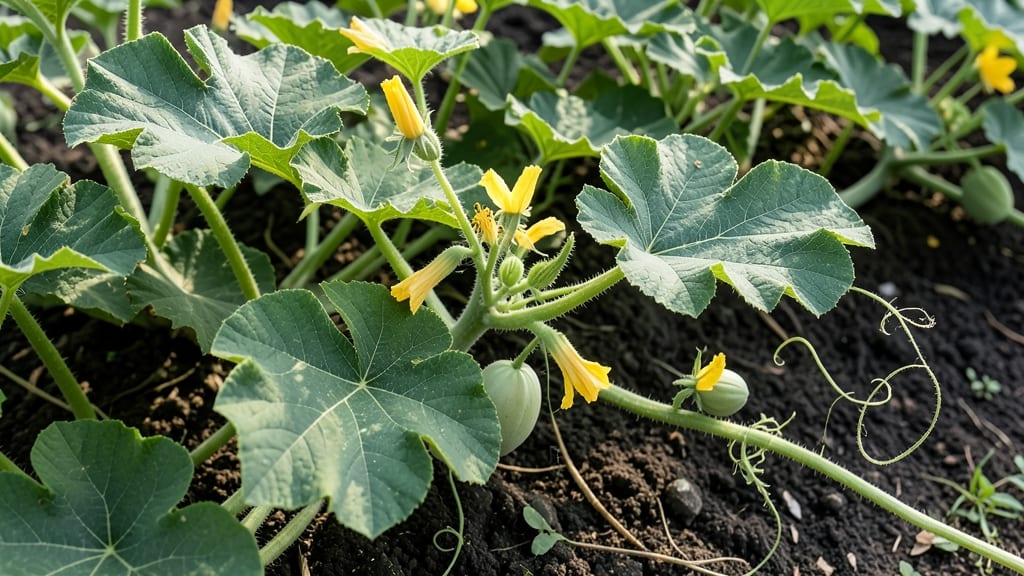
Cantaloupe flowers turning into fruit is the magic moment every gardener waits for—but without the right pollination, those blooms can wilt away without a trace.
Picture this: you’ve nurtured your vines through Zone 6’s spring warmth, only to watch female flowers drop before they even swell. The secret to juicy, ripe cantaloupes lies in understanding how (and when) to help those flowers set fruit—whether by luring bees or giving them a little human assistance.
In this guide, I’ll walk you through the pollination process, from spotting male vs. female flowers to troubleshooting why your cantaloupes might be failing. You’ll also discover 5 proven tricks to boost fruit set, so you’re harvesting sweet, ready-to-eat melons by July or August.
Ready to turn those blossoms into a bountiful harvest? Let’s get started.
How cantaloupe flowers develop into fruit: the pollination process explained
When your cantaloupe vines burst into bloom, you’re just one step away from sweet, ripe fruit—but only if pollination succeeds. The transformation from flower to melon relies on a delicate balance of male and female flowers working together.
Without proper pollination, those vibrant blossoms simply drop off, leaving you with empty vines.
Understanding the pollination process is your secret weapon for a bountiful harvest. Cantaloupes are monoecious, meaning each plant produces both male and female flowers on separate stems.
The male flowers open first, acting as pollen donors, while female flowers (with tiny fruit bulges at their base) wait to receive pollen. When successful, this process triggers fruit development in just 24-48 hours.
Here’s how it works—step by step—from flower opening to fruit swelling, plus the common pitfalls to avoid:
-
Step 1: Male Flowers Open
Male flowers appear first with yellow petals and long stamens. They release pollen when humidity drops or bees visit. -
Step 2: Female Flowers Emerge
Female flowers have tiny fruit bulges at their base. They open 1-2 days later and need pollen to trigger fruit set. -
Step 3: Pollen Transfer Occurs
Bees or wind carry pollen from male stamens to female stigmas. Humidity below 60% improves pollen viability. -
Step 4: Flower Drops (Sign of Success!)
Within 24-48 hours, successfully pollinated female flowers wilt and drop, leaving behind a swollen fruit at the vine’s base. -
Step 5: Fruit Swells and Hardens
The fruit stem thickens, and the cantaloupe begins rapid growth. Thin-skinned varieties develop faster than thick-rinded types. -
Step 6: Maturation (60-90 Days)
With proper care, the fruit ripens, changing color from green to cream/yellow and emitting a sweet aroma near the stem.
If your female flowers aren’t dropping or the fruit bulges shrivel, pollination failed. Common culprits include low bee activity, high humidity (which clumps pollen), or temperature extremes (below 60°F or above 95°F). Even overwatering can stress plants, reducing their ability to support fruit.
Pay close attention to the fruit’s early growth. A successful pollination will show as a pea-sized bump within days. If it stops growing or turns brown, the plant may need hand-pollination assistance or a boost in nutrient-rich compost.
I’ve found that adding a light fertilizer with phosphorus (like 10-10-10) at this stage can encourage stronger fruit development.
One of my biggest mistakes was ignoring male flower production. Without enough male flowers, female flowers go unpollinated. To fix this, I now prune excess male flowers early in the season to redirect energy toward female blooms. This simple trick can double your fruit yield!
Pro tip: Morning pollination (when humidity is lowest) works best for cantaloupes. If you’re hand-pollinating, use a soft paintbrush to transfer pollen from male stamens to female stigmas. Timing matters—do this between 8 AM and 10 AM for the best results.
Watch for signs of stress like yellowing leaves or stunted growth, which can signal poor pollination conditions. Adjusting watering schedules or providing shade cloth on scorching days can make all the difference.
With the right conditions, your cantaloupe flowers will reliably turn into juicy, sweet melons instead of wasted blooms.
Remember, every cantaloupe starts as a tiny flower—but only the pollinated ones get to become the stars of your harvest. 🌱🍈
5 Proven ways to boost cantaloupe pollination for larger harvests
If your cantaloupe vines are bursting with male flowers but few female flowers develop into fruit, you’re not alone. Many gardeners struggle with this stage—especially when bees are scarce.
The good news? You can hand-pollinate or create an ideal pollinator-friendly environment to maximize fruit set. Let’s explore five science-backed methods to turn those blooms into sweet, heavy melons.
First, understand that natural pollination relies on bees, wind, or humidity—all of which can fail in urban gardens or during temperature extremes. By combining hand-pollination techniques with companion planting and strategic pruning, you’ll give your cantaloupes the best chance to thrive.
The key is consistency: check flowers daily during peak blooming hours (morning to early afternoon) for the best results.
🌱 Cantaloupe Flower to Fruit: 5 Critical Steps
- Identify female flowers (small melon-shaped base at the stem) and avoid male flowers (long stems, no base).
- Hand-pollinate by transferring pollen from male to female flowers using a soft brush or cotton swab.
- Plant bee magnets like marigolds or basil within 10 feet of cantaloupe vines to attract pollinators.
- Prune excess male flowers to redirect plant energy to female flowers and developing fruit.
- Apply organic pollinator attractants (e.g., bee balm or clover) to boost local bee activity.
Let’s start with hand-pollination, the most reliable method when bees aren’t doing their job. Grab a small paintbrush or cotton swab and gently collect pollen from male flowers (the ones with long stems).
Then, brush the pollen onto the female flower stigmas—those tiny, feathery centers at the base of the blossom. Do this every 2–3 days during peak blooming for maximum fruit set. Pro tip: Work in the morning when flowers are fully open and dew-free.
For a low-maintenance approach, try companion planting. Pair your cantaloupes with marigolds (which repel pests) or basil (a natural bee attractant). These plants create a pollinator-friendly ecosystem while deterring harmful insects.
Another trick? Plant bee-friendly flowers like sunflowers or alyssum nearby—the more bees, the better! This method works best in full-sun gardens with diverse plantings.
Don’t overlook the power of pruning strategies. Remove excess male flowers to reduce competition for the plant’s energy. Focus on preserving female flowers (look for the tiny melon-shaped swelling at the base). Prune early in the day to allow wounds to heal and prevent disease.
This redirection of resources often leads to larger, sweeter fruit with fewer seeds. Just avoid heavy pruning once fruit begins to form.
Finally, consider organic pollinator attractants like bee balm or clover. These plants provide nectar and pollen for bees year-round, ensuring a steady stream of pollinators. For a quick DIY solution, mix sugar water (1:4 ratio) and spray lightly on flowers to mimic nectar—bees will flock to the scent!
Commercial pollination aids (like pollen sprays) can also help, but they’re no substitute for a thriving bee population.
With these five methods, you’ll transform blooms into bounty—no matter your garden’s size or location. Start with hand-pollination for immediate results, then build a pollinator-friendly habitat for long-term success. Soon, you’ll be harvesting heavy, ripe cantaloupes that rival the market’s best. Happy gardening! 🍈