
Planting
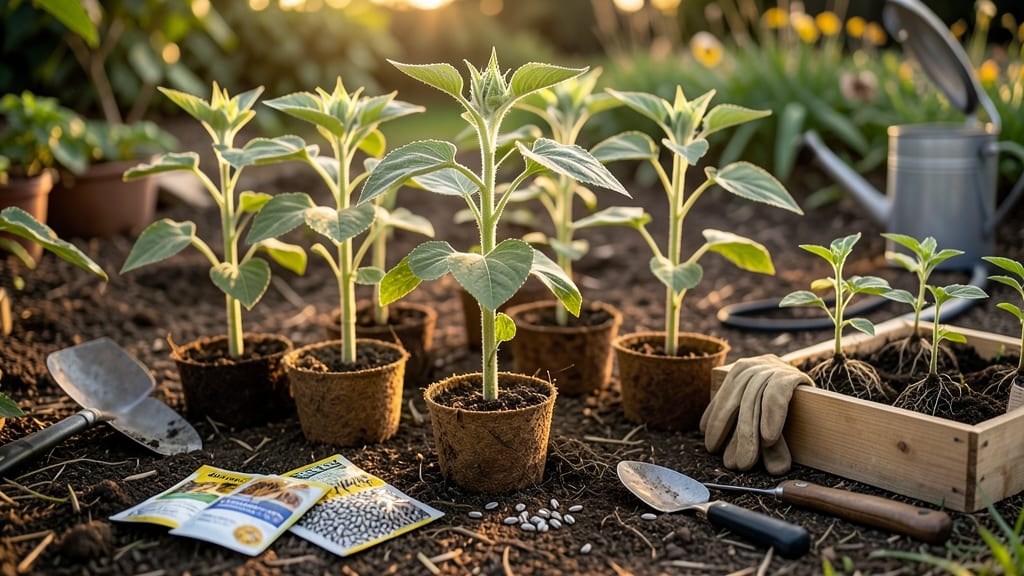
You can plant sunflowers in fall — and with the right varieties and timing, you’ll harvest cheerful blooms or nutritious seeds before winter sets in.
Sunflowers are often associated with summer gardens, but did you know some varieties thrive when planted in fall? If you're wondering whether late-season sunflower planting is possible—and how to do it successfully—you're in the right place.
Fall planting works best in USDA Zone 6a or warmer, where soil stays warm enough for germination until October 15. Choose fast-maturing varieties like 'Autumn Beauty' or 'Russian Giant' to ensure they reach harvest before the first frost.
In this guide, I’ll walk you through the best varieties, planting timing, and how to protect your seedlings from early cold snaps—so you can enjoy sunflowers 🌻 well into autumn.
Best sunflower varieties for fall planting and their growing conditions
Fall planting sunflowers is absolutely possible—and often more rewarding than spring planting, especially in regions with mild winters. The key lies in selecting cold-hardy varieties that mature quickly before the first frost. These sunflowers thrive in cooler temperatures and can even handle light frosts once established.
I’ve grown fall-planted sunflowers in my Zone 6 garden for years, and the results are stunning: vibrant blooms in October and November when most gardens are winding down.
Not all sunflowers are created equal for fall planting. You’ll want to focus on fast-maturing varieties (60-80 days to harvest) and those with dwarf or semi-dwarf growth habits.
Giant varieties like Mammoth Russian may not have time to reach their full potential, but smaller types like Teddy Bear or Autumn Beauty are perfect for late-season gardens. These varieties also tend to be more disease-resistant and better adapted to cooler weather.
Here’s a quick comparison of the best sunflower varieties for fall planting, including their mature height, days to maturity, and ideal planting window. This table will help you choose the perfect variety for your climate and garden space.
| Variety | Mature Height | Days to Maturity | Planting Window | Cold Hardiness |
|---|---|---|---|---|
| Teddy Bear | 3-4 ft | 60-70 days | September 1 - October 1 | Tolerates light frost |
| Autumn Beauty | 4-5 ft | 65-75 days | September 15 - October 10 | Resistant to cold snaps |
| Moulin Rouge | 3-5 ft | 60-70 days | September 1 - October 5 | Handles 28°F nights |
| Russian Giant (Dwarf) | 5-6 ft | 70-80 days | August 20 - September 15 | Cold-tolerant stems |
| Sunspot | 2-3 ft | 55-65 days | September 1 - October 15 | Best for late fall |
When selecting sunflowers for fall, prioritize varieties that mature in 60-80 days. This ensures they’ll reach full bloom before the first frost in most USDA Zones 3-8.
For example, Teddy Bear sunflowers are my go-to for fall because they bloom in just 60 days and produce edible seeds that ripen before winter sets in. Their compact size (3-4 ft) also makes them ideal for smaller gardens or containers.
Sunlight requirements remain the same for fall-planted sunflowers: they need at least 6 hours of direct sunlight daily. However, in cooler fall weather, they can tolerate slightly less intense light than in summer.
I’ve noticed that my fall sunflowers grow more slowly at first but bolt faster once temperatures drop below 70°F. This makes them perfect for extending your garden’s bloom time well into autumn.
Soil temperature and moisture are critical for fall planting. Sunflower seeds won’t germinate well in soil colder than 50°F, so wait until late summer or early fall when soil temperatures stabilize. Amend your soil with compost or aged manure to improve drainage and fertility, as sunflowers are heavy feeders.
I always test my soil’s pH before planting—aim for a slightly acidic to neutral range (6.0-7.0)—to ensure optimal nutrient uptake.
Watering strategies shift in fall too. While sunflowers are drought-tolerant once established, they need consistent moisture during germination and early growth. Water deeply 2-3 times per week in the weeks leading up to planting, then taper off slightly as temperatures drop.
Mulching with straw or shredded leaves helps retain soil moisture and insulate roots from early frost. In my garden, I’ve found that mulching extends the growing season by 2-3 weeks for fall sunflowers.
Protecting young plants from unexpected frost is another key consideration. Use row covers or cold frames if nighttime temperatures dip below 32°F before your sunflowers are fully established. I’ve used frost cloth wrapped around taller varieties like Russian Giant to shield them from light frosts.
Even mature sunflowers can handle 28°F temperatures, but their flower buds may suffer if exposed to prolonged cold.
One of the biggest misconceptions about fall sunflowers is that they won’t produce seeds. In reality, many varieties—like Autumn Beauty—develop fully viable seeds when planted in fall, provided they mature before the first hard frost.
These seeds can be saved for next year’s garden or even roasted for a tasty snack! Just be sure to harvest them before the seed heads turn completely brown and brittle, as this signals the end of their viability.
If you’re in a warmer climate (Z
Step-by-step guide to planting sunflowers in fall for maximum yield
Fall planting offers a second chance to grow sunflowers before winter sets in, but timing and preparation are critical. In USDA Zones 6-9, you can extend your growing season by choosing fast-maturing varieties and protecting young plants from early frost.
The key is to plant 6-8 weeks before your first frost date, giving sunflowers enough time to reach maturity before cold temperatures slow growth.
For maximum yield, focus on soil preparation, proper spacing, and consistent moisture. Unlike spring planting, fall sunflowers face shorter daylight hours and cooler temperatures, so selecting cold-hardy varieties like 'Autumn Beauty' or 'Moulin Rouge' is essential.
These varieties tolerate 40-50°F soil temperatures and produce vibrant blooms even in late-season conditions.
- Select fast-maturing varieties (50-70 days to harvest) like 'Teddy Bear' or 'Russian Giant'. Avoid tall varieties prone to fall winds.
- Plant September 1-October 15 in Zones 6-9, adjusting earlier for colder regions (e.g., August 15 in Zone 5).
- Check your last frost date—sunflowers need at least 60 frost-free days to mature.
- Test soil pH (6.0-7.0) and amend with compost for nutrients. Sunflowers thrive in loamy, well-draining soil.
- Choose a full-sun location (6+ hours daily) with shelter from wind to prevent stem damage.
- Loosen soil to 12 inches deep and remove weeds to reduce competition for nutrients.
- Direct sowing (recommended): Plant seeds 1 inch deep, 6 inches apart, in rows 18-24 inches apart.
- Indoor start (for cold climates): Sow 4-6 weeks before last frost in biodegradable pots. Transplant outdoors after soil warms to 50°F.
- Thin seedlings to 12-24 inches apart once they reach 3-4 inches tall to ensure proper airflow.
- Water deeply 2-3 times per week, aiming for 1-2 gallons per plant. Avoid overhead watering to prevent fungal diseases.
- Apply a balanced fertilizer (5-10-10) at planting and again when plants reach 12 inches tall.
- Mulch with 2-3 inches of straw to retain moisture and insulate roots from cool night temperatures.
- Use row covers or cloches to protect seedlings if temperatures drop below 40°F.
- Monitor for aphids and spider mites, which thrive in cooler fall weather. Spray with neem oil if needed.
- Harvest seeds when back of petals browns (usually October-November) before birds or frost damage occurs.
Fall-planted sunflowers may produce smaller blooms than spring varieties, but they offer a unique late-season harvest and attract pollinators before winter. With the right variety selection and care, you can enjoy vibrant sunflowers well into autumn—adding color and life to your garden as the days grow shorter.
Pro tip: Save seeds from your fall sunflowers for next year’s garden. Let the seed heads dry completely on the plant, then store them in a cool, dry place until spring planting. This ensures you have cold-hardy stock ready for future fall experiments!