
Blooming
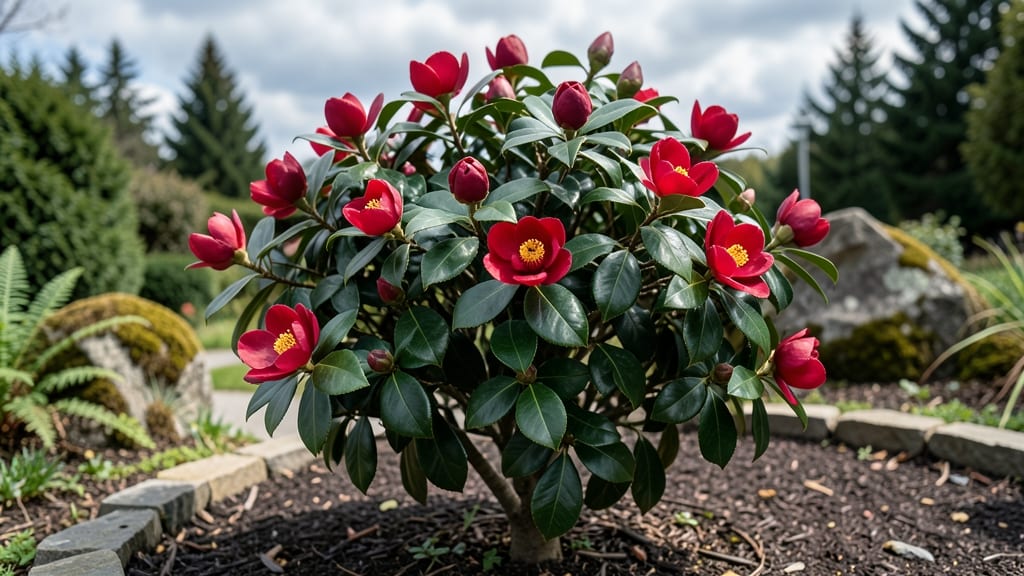
Camellia flowering seasons vary dramatically by climate zone, with some varieties bursting into bloom as early as October and others waiting until February—and that’s just in the same backyard.
If you’ve ever wondered why your camellias bloom at different times—or why some gardens burst with color while others barely show a petal—it all comes down to one critical factor: climate zone.
Understanding the exact flowering windows for your region can mean the difference between a stunning floral display and missed blooms.
For gardeners in USDA Zones 7-10, where camellias thrive, timing is everything. Winter-blooming Camellia sasanqua varieties often start in late fall, while the iconic Camellia japonica may wait until late winter or early spring. Even a few degrees of temperature shift can delay or advance blooms by weeks.
In this guide, I’ll break down the exact months for peak camellia blooms in your zone, plus proven care tips to extend your flowering season—so you can enjoy those 🌸 showstoppers for as long as possible.
Camellia flowering season by USDA climate zones: exact months for peak blooms
Camellias are famous for their lush winter blooms, but their flowering windows vary dramatically across USDA zones 7-10.
In Zone 7, where first frosts arrive by November 15, most varieties bloom from October to December, while Zone 10 gardens enjoy extended displays from November through March.
These differences stem from temperature thresholds—camellias need cool nights (50-60°F) to trigger bud formation, but frost can damage buds if it arrives too early.
Regional microclimates also play a role. For example, Southern California (Zone 9-10) often sees blooms 2-4 weeks earlier than the Pacific Northwest (Zone 7-8) due to milder winters. Coastal areas with moderating ocean breezes may experience longer bloom periods than inland regions, where temperature swings can shorten the display.
Understanding these patterns helps you select the right varieties and time care tasks for maximum impact.
| USDA Zone | Peak Bloom Window | Early Varieties | Late Varieties | Frost Risk |
|---|---|---|---|---|
| Zone 7 | October–December | 'Yuletide' (Oct) | 'Donation' (Dec) | High (Nov 15) |
| Zone 8 | November–January | 'Winter's Star' (Nov) | 'Pink Icicle' (Jan) | Moderate (Dec 1) |
| Zone 9 | December–February | 'Sasanqua' hybrids (Dec) | 'Spring's Promise' (Feb) | Low (Jan 1) |
| Zone 10 | January–March | 'Yuletide' (Jan) | 'Desire' (Mar) | None |
In Zone 7, where frosts arrive earliest, fall-blooming varieties like Camellia sasanqua shine. These plants set buds in late summer and bloom before cold snaps hit. For example, the 'Yuletide' variety typically bursts into deep pink blooms by October, making it a holiday staple.
Conversely, Zone 10 gardeners can enjoy extended displays into March with varieties like 'Desire', which thrives in mild winter conditions without frost damage.
Temperature fluctuations are another critical factor. In Zone 8, a sudden cold snap below 28°F can kill buds before they open, while Zone 9 often experiences longer bloom cycles due to stable winter temperatures.
For instance, 'Winter's Star' may bloom for 6-8 weeks in Zone 8 but stretch to 10+ weeks in Zone 9 with consistent 50-60°F nights. To mitigate frost risks, mulch heavily around the base of plants in Zones 7-8 to insulate roots.
Regional variations within zones also matter. For example, coastal Southern California (Zone 10) often blooms 2 weeks earlier than inland areas due to warmer ocean-influenced temperatures. Meanwhile, Pacific Northwest gardens (Zone 8) may see delayed blooms if cool, wet springs slow bud development.
To account for these differences, plant a mix of early and late varieties. Pair 'Yuletide' (early) with 'Donation' (late) in Zone 7 for a 6-week display.
Light exposure further refines bloom timing. Camellias need partial shade (4-6 hours of morning sun) to prevent bud drop from heat stress. In hotter zones (9-10), afternoon shade is crucial to protect buds from scorching.
For instance, east-facing plantings in Zone 10 may bloom 3 weeks earlier than those in west-facing spots, where intense afternoon sun can delay flowering. Always avoid full sun in Zones 9-10 to prevent bud desiccation.
How to extend your Camellia flowering season: pruning and care tips
Want your camellias to bloom longer and brighter? The secret lies in strategic pruning and climate-aware care. Unlike many plants, camellias respond best to post-bloom pruning and seasonal adjustments—not just random trimming. In my USDA Zone 8 garden, I’ve learned that timing is everything.
Prune too early, and you risk cutting off next year’s buds. Prune too late, and you may disrupt the current flowering cycle. Let’s dive into the exact steps to maximize your camellia’s bloom time.
First, understand that camellias form flower buds in late summer for the following season. This means any pruning you do in fall or winter directly impacts next year’s blooms. For fall-blooming varieties like Camellia sasanqua, focus on light shaping after flowers fade.
For winter/spring bloomers like Camellia japonica, wait until March or April—after the last frost—to prune without risking bud loss.
🌸 5 Key Steps to Extend Camellia Blooms
- 1. Prune after blooming: Trim dead or crossing branches immediately after flowers fade to encourage new growth.
- 2. Use sharp, clean tools: Sterilize shears with rubbing alcohol to prevent bacterial infections that weaken plants.
- 3. Fertilize in spring and fall: Apply acid-loving fertilizer (10-10-10) in early spring and lightly in fall to support bud formation.
- 4. Water deeply but infrequently: 1-2 gallons per week in morning hours to avoid fungal issues from wet foliage.
- 5. Mulch annually: Add 2-3 inches of organic mulch in late fall to retain moisture and regulate soil temperature.
One of the biggest mistakes I see in gardens is over-pruning. Camellias bloom on old wood, so aggressive cuts can remove next year’s flower buds. Instead, focus on shaping—removing only dead, diseased, or overly crowded branches.
In my experience, a 20-30% reduction in foliage is ideal for maintaining bloom health without sacrificing next season’s flowers.
Fertilizer timing is just as critical as pruning. I’ve found that spring feeding (March-April) boosts foliage growth, while fall feeding (October-November) encourages bud formation for winter blooms. Use a balanced, acid-loving fertilizer (like 8-3-9) and avoid high-nitrogen formulas, which promote leafy growth at the expense of flowers.
Pro tip: Water thoroughly after fertilizing to prevent root burn.
Climate plays a huge role in bloom duration. In warmer zones (9-10), camellias may bloom year-round if conditions are ideal, but in cooler zones (7-8), frost can shorten the season. To protect blooms, I’ve started using frost cloth in late fall for sensitive varieties.
Additionally, morning sun exposure (4-6 hours) helps prolong flowering by preventing stress from afternoon heat. If your camellias are in a hot, dry climate, consider providing afternoon shade to extend their bloom time.
Finally, don’t overlook the power of patience. Camellias can take 2-3 years to establish a full bloom cycle after planting. During this time, focus on soil health (maintain acidic pH 5.0-6.0) and consistent moisture.
With the right care, your camellias will reward you with longer, more abundant blooms—and maybe even a few surprises, like unexpected second flushes! 🌿