
Flowers
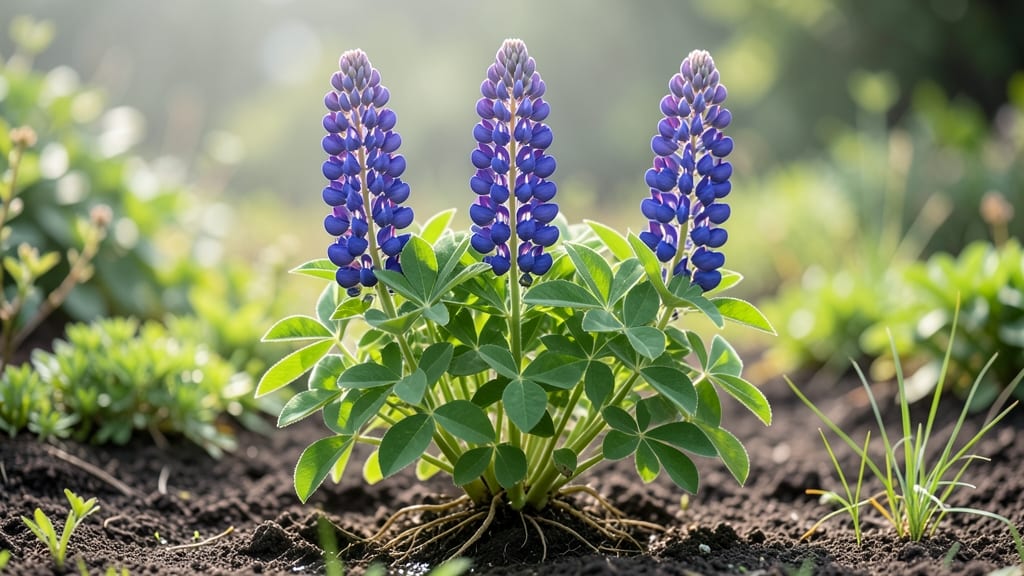
Lupins flower in late spring to early summer, with exact timing depending on your climate zone and variety 🌸 — but missing the window by even a few weeks can mean waiting another year for those signature spikes of color.
If you’ve ever planted lupins hoping for vibrant blooms only to be met with disappointment, timing is the key.
These stunning perennials follow precise seasonal cues, and knowing exactly when your lupins will flower based on your hardiness zone can mean the difference between a showstopping garden display and a season of waiting.
In general, lupins planted in Zone 6a typically bloom between May and June, but varieties like the Russell Hybrid can push into early July, while Mediterranean climates may see flowers as early as April.
Sunlight, soil temperature, and even the last frost date all play a role in nudging those buds open.
Below, I’ll break down the exact months for your zone, how to adjust planting for earlier or later blooms, and the three biggest mistakes that delay flowering. No more guessing — just vibrant, on-time color.
Lupin flowering timeline by USDA hardiness Zones
Lupins are seasonal powerhouses that bloom with dramatic flair, but their timing varies wildly depending on where you live. If you're in Zone 3, you'll see blooms much earlier than gardeners in Zone 10.
Understanding these patterns lets you plan for peak color and adjust planting schedules to avoid disappointment. Temperature shifts—especially consistent daytime highs above 60°F (15°C)—trigger lupin flowering, making late spring the magic window for most varieties.
Early-season lupins like 'Russell Hybrid' often kick off blooms as soon as soil warms, while late varieties may wait until summer. In cooler zones, frost can delay flowering, while warmer climates might see extended bloom periods into early fall.
The key is matching your local frost dates with lupin varieties that thrive in your specific microclimate. For example, Zone 5 gardeners should prioritize cold-hardy types, while Zone 9+ growers can experiment with heat-tolerant cultivars.
Here’s how lupin flowering breaks down by zone—use this as your personalized bloom calendar to time plantings for maximum impact.
In Zones 3-4, lupins typically bloom between late May and early July, aligning with soil warming and longer daylight. Early varieties like 'Bicolor' often flower first, followed by Russell Hybrids and late-season types like 'Myristica'.
To encourage earlier blooms, start seeds indoors 8-10 weeks before your last frost date—this gives young plants a head start on growth before outdoor conditions stabilize.
Gardeners in Zones 5-6 enjoy a slightly extended season, with blooms stretching from early May to mid-July. Here, 'Alba' lupins often surprise with April-May flowers, while 'Blue Peter' varieties peak in June.
If your spring is particularly cold, consider mulching heavily to protect roots and accelerate warming. A black plastic mulch can raise soil temps by 5-10°F, nudging lupins toward earlier flowering.
Warmer climates in Zones 7-8 bring lupin blooms as early as March, with some varieties like 'Russell Hybrid' producing flowers in late winter if planted in sheltered spots. The extended bloom window here (March-June) means you can stagger plantings for continuous color.
However, avoid planting too early—lupins hate winter wetness and may rot if soil stays soggy.
In Zones 9-10, lupins often bloom year-round in mild winters, with peaks in January-April. This is ideal for cut-flower gardens or succession planting. To prevent leggy growth, pinch back tips when plants reach 12 inches tall—this redirects energy to flower production rather than foliage.
In these zones, late summer plantings can sometimes produce fall blooms, though yields may be smaller.
Temperature plays a critical role in lupin flowering. Most varieties need consistent daytime temps above 60°F (15°C) to trigger bud formation. In cooler zones, greenhouse starting seeds can advance blooms by 3-4 weeks.
For example, if your zone typically blooms in June, starting seeds indoors in early March might shift flowering to late May. Always harden off seedlings gradually to avoid shock.
Light also matters—lupins require full sun (6+ hours daily) for best flowering. In shadier climates, blooms may be smaller or sparse. If your garden lacks sun, choose dwarf varieties like 'Dwarf Blue', which tolerate partial shade better than tall types.
Pair lupins with sun-loving companions like lavender or catmint to maximize their visual impact
How to predict lupin flowering dates based on planting time
Predicting when your lupins will flower starts with understanding their planting timeline and how environmental cues trigger blooms. Lupins are cool-season plants that rely on day length and soil temperatures to signal flowering.
By aligning your planting with these natural rhythms, you can reliably time their stunning spring and summer blooms—typically 60-90 days after germination for most varieties.
Your USDA hardiness zone and last frost date are critical factors. For example, in Zone 5, lupins planted in early May will often bloom by early July, while in Zone 9, an early April planting can produce flowers as soon as May.
The key is knowing your local frost-free period and adjusting planting dates to ensure lupins establish roots before hot summer temperatures stress them.
To refine your predictions, track your local microclimate. Lupins planted in sheltered, sunny spots (like near a south-facing wall) may bloom 1-2 weeks earlier than those in open areas.
For example, my Zone 7 garden lupins planted in early March under a partial shade cloth produced buds by mid-April—3 weeks ahead of lupins in full sun.
Adjust for variety-specific traits. Dwarf lupins like 'Myriad' typically bloom 4-6 weeks later than tall varieties because they focus energy on bushier growth first. Meanwhile, annual lupins (e.g., Silver Queen) may flower in just 50-60 days from seed, making them ideal for late-summer plantings in cooler climates.
Use a planting calendar tailored to your zone. For instance, in Zone 4, aim to plant by May 1st to ensure blooms by July 15th, while in Zone 8, a February 15th planting can yield flowers by April 1st.
Always account for unpredictable frost by having a backup planting date 2 weeks later.
Pro tip: Mark your first flower date each year to track patterns. Over time, you’ll notice how local weather anomalies (like early warmth or late frosts) shift your lupins’ bloom windows.
For example, my 2023 lupins bloomed 10 days late due to a cold May, but adjusting my 2024 planting date by 1 week brought them back on schedule.