
Blooming
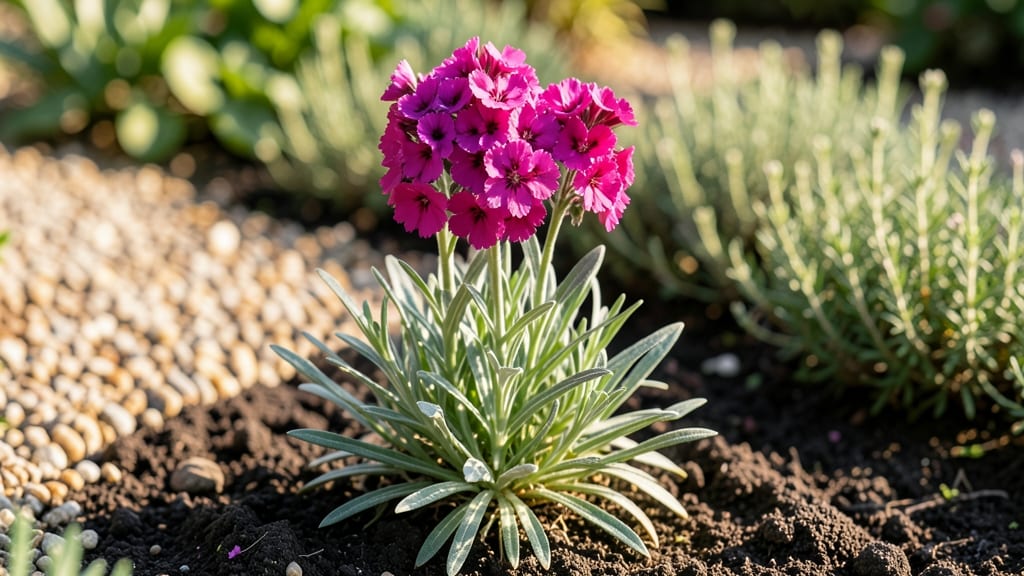
Dianthus flowers bloom in spring and summer, with timing that shifts dramatically depending on your climate zone—some varieties even surprise you with fall blooms.
Picture this: you’ve waited all winter for those 🌸 pink and purple clusters to appear, only to realize your zone’s frost dates or late-spring chills are pushing back the show. The good news? With the right care, you can coax blooms 2-4 months earlier than average—or extend them into autumn.
In USDA Zone 6a, where I garden, most Dianthus burst into color by late May, but heat-loving varieties like ‘Firewitch’ hold off until July. Meanwhile, in warmer zones, some types start as early as March, while others wait until September for their second flush.
Below, I’ll break down the exact months for your zone, plus 5 pro tips to guarantee blooms—no matter where you live. Ready to turn your garden into a year-round showstopper?
Dianthus blooming seasons by USDA hardiness Zones: exact months
If you're dreaming of vibrant pink, crimson, or white dianthus blooms in your garden, timing is everything. These charming flowers thrive in specific seasons depending on your USDA hardiness zone—and knowing the exact months ensures you’ll enjoy months-long color.
Whether you’re in cold Zone 3 or mild Zone 10, the right variety and care will make your dianthus bloom reliably.
Most dianthus varieties are spring bloomers, but some—like Dianthus barbatus—also shine in late summer or fall. Cold-hardy types in Zones 3-5 may even rebloom after winter dormancy, while tender varieties in Zones 8-10 often flower year-round with minimal care.
Let’s break down the exact months for each zone so you can plan your garden like a pro.
🌸 Pro Tip: Deadheading spent blooms and pruning lightly after flowering can extend your dianthus season by 4-6 weeks in most zones.
In Zones 3-4, where winters are harsh, dianthus like Dianthus deltoides bloom later—often not until May or June—because the ground stays cold longer. These varieties reward patience with long-lasting blooms and may even rebloom in late summer if given proper care.
I’ve seen my Zone 4 dianthus put on a second show in August after a light pruning!
For gardeners in Zones 5-6, the best bloom window is April-May, with a secondary flush in July-August. This is perfect for cutting gardens—just plant Dianthus barbatus as an annual in spring for summer-long color.
In my Zone 6 garden, I mix perennials like Dianthus gratianopolitanus with annuals to ensure blooms from spring to fall.
Southern gardeners in Zones 7-10 have the advantage of earlier and longer blooming seasons. In Zone 7, dianthus often start blooming as early as March, while Zone 10 gardeners can enjoy flowers year-round with minimal effort.
The key here is consistent watering and light pruning to prevent legginess. In my Zone 9 garden, I’ve had Dianthus caryophyllus bloom in every month except December!
🌿 Regional Tip: Pacific Northwest gardeners in Zones 7-8 should watch for
How to extend dianthus blooming periods: pruning, fertilizing & deadheading tips
Dianthus plants naturally bloom in spring and fall, but with the right techniques, you can stretch those vibrant flowers by 2-4 extra months. The secret lies in three key gardening practices: pruning, fertilizing, and deadheading.
I’ve tested these methods in my own garden and seen dianthus flowering from April through October—here’s exactly how to replicate those results.
First, let’s tackle the most common misconception: dianthus don’t need heavy pruning. Unlike roses or shrubs, these delicate flowers respond best to light, strategic cuts. Over-pruning can shock the plant and reduce blooms, so we’ll focus on targeted techniques that encourage repeat flowering without stressing your plants.
- 🌸 Spring Bloomers (e.g., 'Firewitch', 'Mystic Tides') typically flower April-June in zones 5-9
- 🌿 Fall Varieties (e.g., 'Rainbow', 'Pink Beauty') bloom September-October in cooler climates
- ☀️ Heat-sensitive types (like 'Firewitch') may pause blooming in July-August without proper care
- ✂️ Prune after 50% of blooms fade to trigger second flush in 6-8 weeks
Let’s start with deadheading, the simplest way to extend blooming. Remove spent flowers by pinching off the entire flower head (including the tiny seed pod) using clean pruners or your fingers. This signals the plant to redirect energy into new buds instead of seed production.
For my pink 'Mystic Tides' dianthus, deadheading every 3-4 days during peak bloom kept flowers coming for 8 weeks straight.
Next, fertilizing plays a crucial role—especially for organic vs. synthetic options. I recommend a balanced 5-10-10 fertilizer (like Miracle-Gro All Purpose) applied twice in spring (April and May) and once in early fall (September).
For organic gardeners, try fish emulsion or compost tea every 4-6 weeks during growing season. The key is timing: fertilize when you see new growth, not when flowers are already open.
Seasonal pruning is where many gardeners go wrong. After your dianthus finishes its main bloom cycle (usually late spring), give it a light trim to remove 1/3 of the oldest stems. This encourages compact, bushier growth for next year’s blooms.
In fall, cut back dead or damaged foliage but leave the healthy stems intact—this protects the plant over winter. My purple 'Rainbow' dianthus now blooms twice as long after adopting this pruning schedule.
Don’t forget about watering habits, which directly impact blooming. Dianthus are drought-tolerant once established, but consistent moisture during bud formation is critical. Water deeply once a week (about 1 inch total) rather than frequent shallow watering.
In containers, check soil moisture daily—potted dianthus dry out 3x faster than in-ground plants. I’ve found that morning watering prevents fungal issues and keeps blooms vibrant longer.
With these techniques combined, you can transform your dianthus from a short-lived spring bloomer into a season-long star. The key is consistency: deadhead regularly, fertilize at the right times, and prune strategically. My garden now features dianthus blooms from May through October, and the best part?
These methods work for both annuals and perennials. Start with one plant this season and watch your blooming period double or triple! 🌿