
Flowers
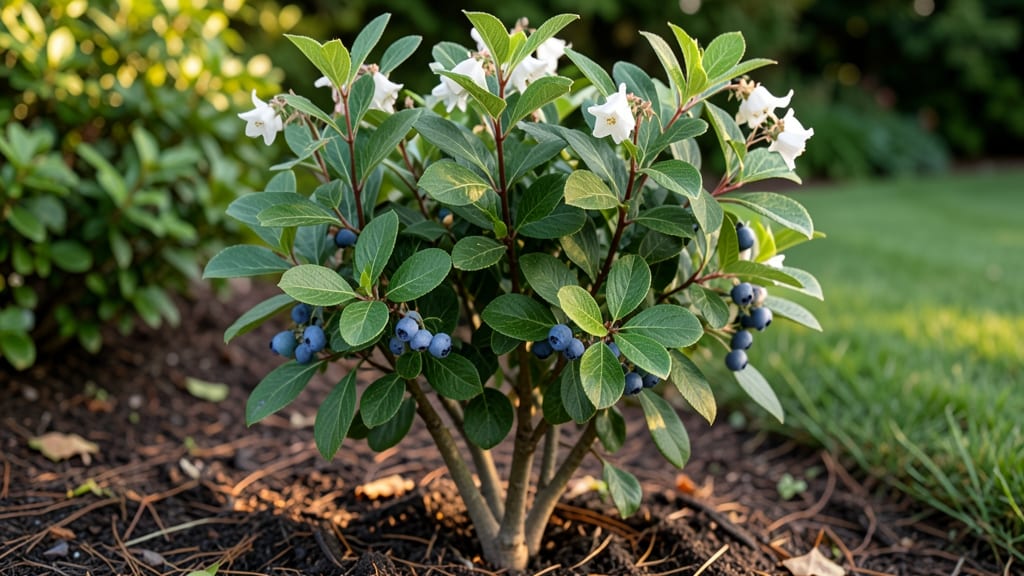
Turning blueberry flowers 🫐 into fruit is all about timing, pollination, and the right growing conditions—because even the prettiest blossoms won’t become berries without the right help.
Did you know that the journey from blueberry flower to fruit is a delicate dance of nature—and mastering it could triple your harvest? Understanding pollination isn’t just science; it’s the secret weapon for gardeners who crave plump, juicy berries every season.
Too often, flowers bloom but never set fruit, leaving you wondering what went wrong. The truth? Blueberries need specific conditions—like the right temperature, humidity, and a little extra help from pollinators or even your own hands—to make that magic happen.
In this guide, I’ll walk you through every stage—from bloom to fruit—so you can troubleshoot problems, boost pollination, and enjoy a bountiful harvest by late summer.
The science behind blueberry flower to fruit development
When those delicate blueberry flowers appear in spring, they’re not just pretty—they’re the promise of your future harvest. But did you know only about 10-20% of those flowers will successfully turn into fruit?
The journey from bloom to berry is a fascinating biological process where pollination, fertilization, and environmental factors all play starring roles. Understanding these stages helps you troubleshoot when things go wrong and maximize your yield. Let’s break down what’s really happening in your blueberry bushes.
The transformation begins when blueberry flowers open in early spring, typically between March and April in most growing zones. These flowers are unique because they’re perfectly self-incompatible, meaning they can’t pollinate themselves—cross-pollination is essential.
The tiny stamens (male parts) and stigmas (female parts) must receive pollen from another compatible plant. Without this step, the flower’s fate is sealed: no fruit will develop. This biological quirk explains why some gardeners with single bushes struggle with poor fruit set.
| Stage | Key Process | Critical Factors | Timeframe |
|---|---|---|---|
| Flowering | Bloom opens; stamens release pollen | Temperature: 50–70°F, Humidity: 60–80% | 3–5 days per bloom |
| Pollination | Pollen transferred to stigma | Bees/wind, Compatible cross-pollination | 1–2 days after bloom |
| Fertilization | Pollen tube grows; ovules fertilized | Moisture: 1–2 inches soil moisture | 3–7 days post-pollination |
| Fruit Set | Ovary swells into berry | Genetics: Variety-specific yield potential | 7–14 days post-fertilization |
| Early Fruit Growth | Cell division; berry expands | Nutrients: Nitrogen, Phosphorus | 4–6 weeks post-set |
After successful pollination, the real magic happens during fertilization. The pollen grain lands on the stigma and grows a tube down to the ovary, where sperm cells fertilize the ovules. This process is highly sensitive to temperature and humidity.
If nights dip below 40°F or days exceed 85°F, fertilization can fail entirely. Even slight drought stress during this window causes flowers to drop without setting fruit. That’s why consistent watering and proper mulching are non-negotiable during bloom.
Once fertilization occurs, the ovary begins swelling into what will become your blueberry. This stage is often called fruit set, and it’s where many gardeners first notice problems.
If you’ve ever had flowers bloom but no berries appear, the issue likely lies here. Genetics play a role too—some varieties like Bluecrop set fruit more reliably than Jersey, which can be finicky.
Even with perfect conditions, not every fertilized flower will produce a marketable berry, but understanding this stage helps you set realistic expectations.
Temperature isn’t just a background factor—it’s the director of the entire process. Blueberries thrive in USDA Zone 4–7, but their ideal pollination window is 50–70°F. Cold snaps below 45°F can stunt pollen release, while heatwaves above 80°F cause flowers to abort.
Humidity matters too: 60–80% relative humidity supports pollen transfer, while dry air makes it harder for bees to carry pollen. If you’re in a low-humidity climate, consider misting bushes lightly during bloom to mimic ideal conditions.
Light also plays a surprising role, even though blueberries love full sun. During fruit set, 12–14 hours of daylight can trigger hormonal shifts that improve fruit retention.
In northern climates, this isn’t an issue, but gardeners in southern zones might see better results by providing afternoon shade during peak summer heat. Too much intense light combined with high temps can cause berry sunburn, where berries develop white or gray patches and become unmarketable.
One of the most overlooked factors is the blueberry’s genetic makeup. Some varieties are self-fertile (like Top Hat), meaning they can produce fruit with their own pollen, while others (like Duke) require cross-pollination. Planting two compatible varieties within 50 feet of each other ensures better fruit set.
Even then, some bushes are simply low-yielding due to their genetics—don’t be discouraged if your first harvest is modest. With time and the right care, your bushes will mature and produce more consistently.
Finally, let’s talk about what happens when things go wrong. If your blueberries bloom but no fruit sets, the most common culprits are poor pollination, temperature stress, or nutrient deficiencies.
For example, a lack of boron can cause flowers to drop, while calcium deficiency leads to small, misshapen berries. By understanding these stages, you can intervene early—whether it’s hand-pollinating flowers, adjusting irrigation, or applying a balanced fertilizer with micronutrients.
Mastering the science behind blueberry flower to fruit development isn’t about memorizing every detail—it’s about recognizing patterns and giving your bushes the right support at the right time.
Next time you see those pink and white blooms appear, you’ll know exactly what’s happening behind the scenes and how to nurture them into a bountiful harvest. 🌱
How to boost pollination for maximum blueberry fruit production
Blueberries rely on a mix of natural pollinators and environmental conditions to transform those delicate white or pink flowers into sweet, juicy berries. When pollination fails, you might see abundant blooms but few fruits—a frustrating sight for any gardener.
The good news? With a few targeted strategies, you can dramatically improve your blueberry flower to fruit success rate and enjoy a bountiful harvest.
First, let’s address the core issue: blueberries are self-pollinating but benefit from cross-pollination, especially in home gardens. Bees, bumblebees, and even butterflies play a crucial role, but their presence isn’t always guaranteed.
That’s where companion planting and strategic timing come into play. By creating an inviting environment, you can turn your blueberry bushes into pollinator magnets.
- 🐝 Attract Native Bees: Plant bee-friendly flowers like lavender, borage, or clover near your blueberries. These plants provide early-season nectar when blueberries bloom (late spring).
- ⏰ Time Your Pruning: Prune bushes after harvest (late summer/fall) to avoid removing next year’s flower buds. This ensures maximum blooms for pollinators.
- 🌿 Hand-Pollinate in Bad Weather: On rainy or windless days, use a soft paintbrush to transfer pollen between flowers. Do this in the morning when flowers are open.
- 💧 Maintain Consistent Moisture: Blueberry flowers need even moisture to stay open. Water deeply in the early morning to prevent wilting.
- 🌱 Plant Companion Crops: Add alfalfa or comfrey nearby to boost soil nitrogen and attract beneficial insects. These plants also improve soil health for fruit development.
Timing is everything when it comes to pollination. Blueberries typically bloom in late spring, and the flowers are most receptive to pollinators between 7 AM and 10 AM on sunny days.
If your area experiences frost during bloom, flowers can drop off before pollination occurs. To mitigate this, choose late-blooming varieties like 'Bluecrop' or 'Duke,' which are more frost-resistant.
For gardeners in regions with limited pollinator activity, hand-pollination is a game-changer. Grab a small paintbrush or cotton swab and gently transfer pollen from one flower to another. Focus on healthy, open flowers with fully extended stamens.
This method works best on dry, calm days when flowers are at peak receptivity. Even a few minutes of hand-pollination can significantly increase fruit set.
Don’t overlook the role of soil health in fruit development. Blueberries thrive in acidic, well-draining soil with a pH of 4.5–5.5. Amend your soil with peat moss or sulfur if needed, and avoid over-fertilizing with high-nitrogen products, which can reduce flowering.
Instead, use a balanced fertilizer (like 10-10-10) in early spring to support both blooms and fruit growth.
Finally, monitor your bushes for signs of pollination success. After a few weeks, you should see small berries forming. If you notice dropped flowers or small berries falling off, it could indicate poor pollination, pests, or environmental stress.
Adjust your approach—whether it’s adding more pollinator plants, hand-pollinating again, or checking for pests—and give your blueberries the best chance to thrive.