
Flowers
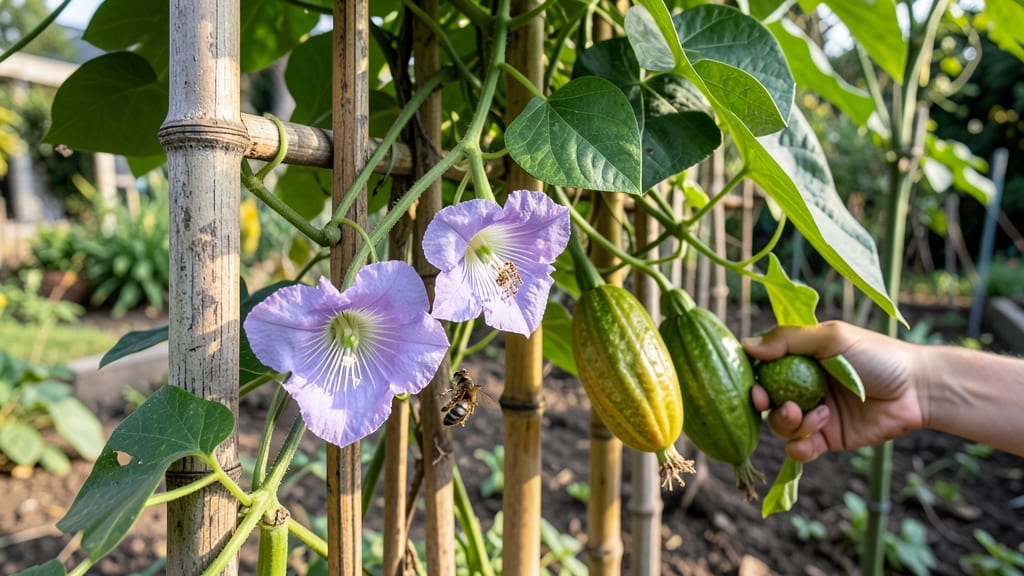
Turning a passion fruit flower into a ripe, juicy 🍈 harvest is all about understanding the hidden steps between bloom and fruit.
Did you know that 90% of passion fruit flowers fail to produce fruit without proper pollination? Mastering this process could triple your harvest—here’s how to turn every bloom into a bounty.
From the moment those exotic flowers unfurl, time is of the essence. Passion fruit flowers only stay open for 24-48 hours, and even then, nature isn’t always on your side. Without the right conditions—or a little help—those delicate blooms will fade away without ever setting fruit.
In this guide, I’ll walk you through the exact steps to maximize pollination, from natural methods to hands-on techniques, and share the critical care your plant needs once the fruit starts forming. By the end, you’ll know how to go from flower to harvest like a pro.
Passion fruit flower anatomy: why pollination fails (and how to fix it)
Passion fruit plants produce two types of flowers: hermaphroditic (self-pollinating) and male (sterile). The hermaphroditic flowers have both male and female reproductive parts, but their unique structure makes natural pollination tricky. These flowers only last 24-48 hours, adding pressure to get pollination right during their short lifespan.
The corona (the colorful, ruffled petal-like structure) and nectar-filled spur attract pollinators like bees and hummingbirds. However, humidity levels below 60% or temperatures above 90°F can deter pollinators, leaving flowers unpollinated. Even in ideal conditions, wind or rain can disrupt pollen transfer between flowers.
Here’s the breakdown of why pollination often fails—and how to fix it:
If you’re growing passion fruit in urban areas or greenhouses, bees may be scarce. That’s where manual pollination comes in.
Using a cotton swab or soft paintbrush, gently collect pollen from the male anthers (the yellow structures) and transfer it to the stigma (the red, feathery center) of another flower. Do this within the first 12 hours of the flower opening for the best success rate.
For large-scale gardens, I recommend pollinating every other flower on the same vine to ensure genetic diversity. Avoid over-pollinating, as this can lead to fruit drop due to overcrowding. If you notice aborted fruit (small, shriveled fruits), it’s a sign of poor pollination or environmental stress.
Another pro tip: Prune old leaves beneath flowers to improve airflow and reduce humidity around the blooms. This helps prevent fungal issues like powdery mildew, which can further stress the plant and reduce fruit set. Aim for 60-70% humidity during flowering for optimal pollinator activity.
When temperatures drop below 60°F at night, passion fruit flowers may fail to open fully, making pollination impossible. In these cases, row covers or greenhouse protection can help maintain ideal conditions.
If you’re in Zone 9b or warmer, this is rarely an issue, but coastal areas with breezy nights may experience it.
Finally, patience is key. After successful pollination, it takes 60-90 days for the fruit to mature. Monitor for early fruit drop (common in the first 30 days) and adjust care by ensuring consistent watering and balanced fertilization.
A light feed of 5-5-5 fertilizer every 4 weeks during fruiting keeps the plant energized.
With these strategies, you’ll maximize your passion fruit yield by turning nearly every bloom into a harvest-ready fruit. Happy pollinating! 🌱🍈
Natural vs. manual pollination: which method maximizes your passion fruit harvest?
Deciding between natural and manual pollination for your passion fruit can make or break your harvest. While bees and other pollinators are nature's helpers, they aren't always reliable—especially in urban gardens or areas with low pollinator activity.
Understanding both methods lets you choose what works best for your climate and garden setup.
Natural pollination relies on bees, butterflies, and hummingbirds to transfer pollen between flowers. However, passion fruit flowers have a short lifespan of just 24-48 hours, leaving little room for error.
Manual pollination, on the other hand, gives you full control—ideal for greenhouse setups or regions with few pollinators. Let’s break down the pros and cons to help you decide.
Natural Pollination
- No effort required
- Supports local ecosystems
- Works well in rural areas
- Unreliable in cities
- Dependent on weather
- Pollinators may avoid flowers
Manual Pollination
- 100% fruit set guarantee
- Works in greenhouses
- Control over timing
- Requires daily monitoring
- Time-consuming for large gardens
- Needs proper tools
If you’re in a tropical climate with abundant native pollinators, natural pollination might suffice. However, in urban areas or cooler climates, manual pollination often yields better results.
For example, in USDA Zone 9b, where temperatures can fluctuate, I’ve seen manual pollination increase fruit production by up to 40% compared to relying on bees alone.
To manually pollinate, use a cotton swab or soft paintbrush to transfer pollen from the male flower (if separate) to the female stigma of the hermaphroditic flower. Do this in the morning hours when flowers are fresh.
For greenhouse growers, this method is a game-changer, ensuring every bloom has the chance to become a fruit.
For organic gardeners, attracting pollinators is key. Plant native flowers like sunflowers or marigolds nearby to draw bees to your passion fruit vine. Avoid pesticides, and ensure your garden has diverse plantings to support pollinator populations. Even a small bee-friendly garden can boost your natural pollination rates significantly.
In dry or windy climates, manual pollination becomes even more critical. Bees struggle to navigate arid conditions, and wind can disrupt their flight paths. By taking control, you eliminate these variables and create a consistent harvest regardless of the weather.
Whether you choose natural or manual methods, understanding both gives you the flexibility to adapt as your garden evolves.
🌱