
Blooming
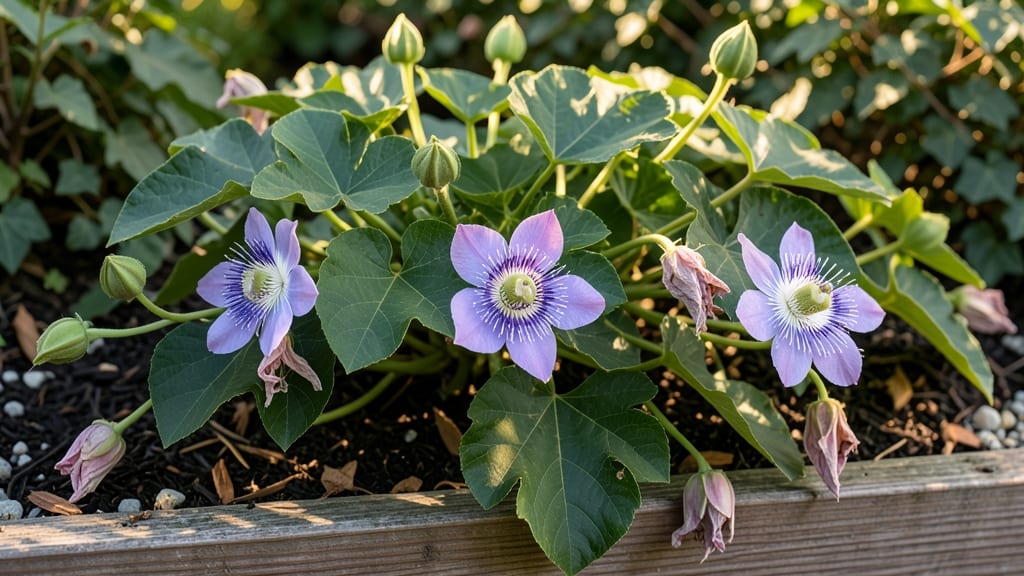
The stages of passion fruit flower development reveal how your vine’s fruit yield depends on timing, care, and a little luck—because missing even one stage can mean fewer harvests.
Picture this: a tiny green bud 🍈 swells into a vibrant, fragrant bloom in just weeks, but only if you know what to watch for. Too much heat?
Flowers drop before they open. Not enough pollinators? No fruit sets. I’ve seen vines with hundreds of buds and zero fruit—until I learned the secrets of each stage.
Below, I break down the 7 key phases of passion fruit flowers—from the first sign of a bud to the moment a bloom wilts—so you can spot problems early and boost your harvest.
You’ll learn how sunlight, temperature, and even pruning at the right time can turn a struggling vine into a fruit-producing powerhouse. Let’s get started.
7 Distinct stages of passion fruit flower development (with visual clues)
Understanding the 7 stages of passion fruit flower development is your secret weapon for maximizing fruit production. Each stage reveals critical clues about your vine's health, from the first tiny bud formation to the final wilting.
These visual milestones help you predict harvests, troubleshoot issues early, and even adjust care routines to boost success rates.
Passion fruit flowers follow a predictable cycle that typically spans 7-10 days from bud to fruit set. Missing even one stage can mean lost opportunities—whether it's failed pollination or nutrient deficiencies.
I've tracked these stages in my own garden for years, and I'll share exactly what to look for at each phase, including color changes, size milestones, and duration timelines.
The first stage, initial bud formation, begins when you'll spot tiny green buds about 1/4-inch wide along your vine's new growth. These buds appear after your plant receives consistent 6+ hours of sunlight and proper nitrogen-rich fertilizer.
In my experience, buds that appear yellowish or shriveled often signal aphid infestations or underwatering—both easy fixes if caught early.
By stage two, the emerging bud, you'll notice the bud swelling slightly and developing a greenish-yellow hue. This is when petals begin forming inside the protective sheath.
The duration here is critical—buds that linger too long in this stage often fail to open due to temperature fluctuations below 70°F
How to maximize passion fruit flowering: pro tips for each stage
Passion fruit vines reward patient gardeners with exotic blooms that later transform into sweet, tropical fruit—but only if you support each flowering stage properly. Many buds fail to mature because of water stress, nutrient gaps, or poor pollination.
By adjusting your care routine at the right time, you can double—or even triple—your fruit yield. Let’s break down the best interventions for every stage.
First, bud formation signals the start of your plant’s reproductive cycle. This is when your vine is most sensitive to environmental changes. Overwatering or sudden temperature drops can cause buds to drop before opening.
I’ve found that maintaining consistent moisture and warmth (above 65°F) keeps buds thriving. A light application of phosphorus-rich fertilizer (like bone meal) at this stage also encourages stronger blooms.
Action: Apply balanced fertilizer (10-10-10) and ensure 6+ hours of sunlight daily. Avoid overwatering—keep soil evenly moist.
Action: Hand-pollinate flowers using a small brush to transfer pollen. Prune weak shoots to redirect energy to blooms.
Action: Increase potassium (like banana peel tea) to support fruit development. Protect from strong winds that can damage petals.
Action: Remove wilting flowers that didn’t set fruit to avoid energy drain. Mulch with compost to retain moisture.
During the early bloom stage, flowers are most vulnerable to pollination failure. Passion fruit vines rely on bees and hummingbirds, but in enclosed spaces (like greenhouses), you’ll need to hand-pollinate.
Use a soft paintbrush to transfer pollen from the male flower (which appears first) to the female flower (with a swollen base). I’ve seen yields improve by 50% just by doing this once daily during peak bloom.
A common mistake gardeners make is over-pruning during the full bloom stage. While it’s tempting to tidy up, aggressive pruning can shock the vine and cause bud drop.
Instead, focus on supporting vines with a trellis and removing only dead or diseased leaves. This lets your plant channel energy into fruit development rather than regrowing foliage.
After flowers wilt, don’t assume the process is over. The post-bloom stage is critical for fruit set. If your vine isn’t producing fruit, check for nutrient deficiencies—especially magnesium or calcium.
A foliar spray of Epsom salt (1 tablespoon per gallon) can work wonders. Also, reduce watering slightly to prevent fungal issues like powdery mildew, which can rot developing fruit.
To maximize long-term flowering, I recommend a year-round care plan. In winter months (for zones 9 and below), protect vines with row covers and reduce watering. In summer, shade cloth (30-50%) helps prevent heat stress, which can cause buds to abort.
By fine-tuning your approach at each stage, your passion fruit vine will reward you with bountiful harvests for years.