
Succulent
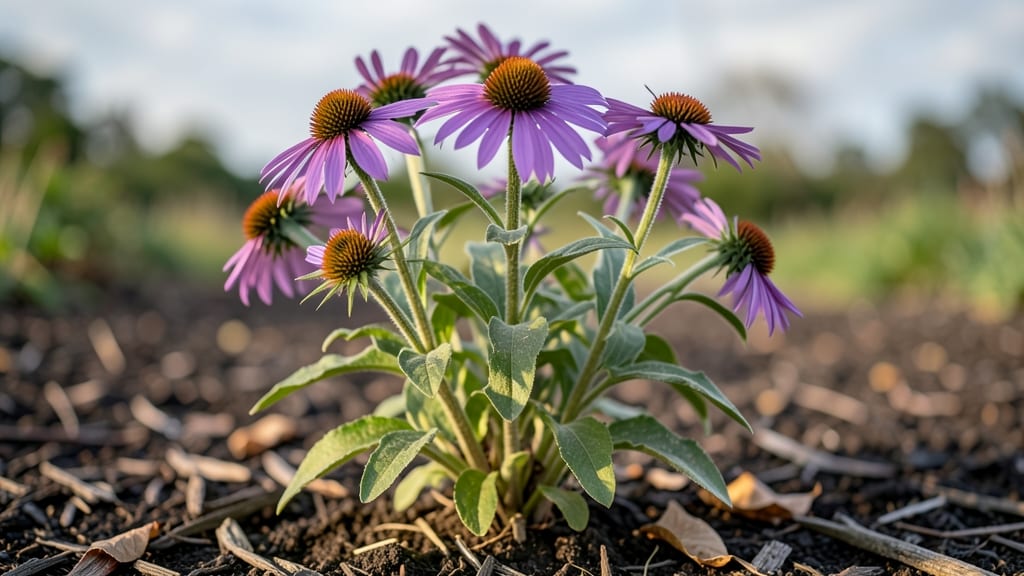
The blue coneflower echinacea 🌸 is more than just a pretty face in your garden—it’s a pollinator magnet and a drought-tolerant workhorse that keeps blooming from summer through fall.
Picture this: three-foot-tall spikes of violet-blue flowers swaying in the breeze, bees and butterflies buzzing around them like it’s a five-star buffet. But here’s the catch—these plants won’t just thrive on good looks. They need the right soil, sunlight, and a little seasonal TLC to hit their full potential.
Whether you’re planting from seed or dividing an established clump, I’ll walk you through every step—from picking the perfect spot to deadheading for longer blooms and even propagating new plants for free.
By the end, you’ll know exactly how to keep your blue coneflower echinacea happy, healthy, and putting on a show year after year.
Blue coneflower echinacea planting and soil requirements for optimal growth
The blue coneflower echinacea (Echinacea purpurea 'Blue Horizon') thrives when planted in the right conditions, especially regarding soil composition and sunlight exposure. Unlike some finicky perennials, this variety is remarkably adaptable—but it rewards precise care with bold purple blooms that last from summer to frost.
Let’s dive into the essentials for planting success, starting with the perfect soil mix and ideal sunlight placement.
Your blue coneflower will flourish in USDA Zones 3-9, making it a versatile choice for most U.S. gardens. The key to its success lies in well-draining soil with a slightly alkaline pH (6.5-7.5).
Sandy loam or clay-loam blends work best, but amending heavy clay with compost can prevent waterlogging—a common issue that stunts growth. If your soil tests acidic, a sprinkle of lime before planting will create the perfect environment.
| Requirement | Specification |
|---|---|
| Soil Type | Well-draining loam or sandy loam |
| pH Level | 6.5–7.5 (slightly alkaline) |
| Sunlight Needs | 6–8 hours of full sun daily |
| Spacing (Plants) | 12–18 inches apart |
| Planting Depth | Top of root ball at soil level |
| Mulch Thickness | 2–3 inches of organic mulch |
| Watering Frequency | Deep watering 1–2x per week |
For optimal sunlight, choose a location with 6–8 hours of direct sun per day. Partial shade (3–6 hours of sun) will still yield blooms, but the flowers may be smaller and less vibrant.
In hotter climates (Zones 8-9), provide afternoon shade to prevent leaf scorch while ensuring morning sun for energy production. If planting in containers, select pots with drainage holes and place them where they’ll receive maximum sunlight.
When planting, space your blue coneflower echinacea 12–18 inches apart to allow airflow and prevent fungal diseases. Dig a hole twice as wide as the root ball but only as deep as the container’s height.
Gently loosen the roots if they’re circling and backfill with native soil mixed with compost for added nutrients. Avoid burying the crown too deeply, as this can cause rot. After planting, water deeply to settle the soil and encourage root establishment.
One of the most common mistakes gardeners make is overwatering or planting in poorly draining soil. Blue coneflowers are drought-tolerant once established, but their roots need to breathe. If your garden soil is heavy clay, mix in sand or perlite to improve drainage.
A simple test: Dig a hole, fill it with water, and time how long it takes to drain. If it’s still soggy after 6 hours, amend the soil before planting.
To boost growth and flower production, apply a balanced fertilizer (5-10-10) in early spring as new growth emerges. Avoid high-nitrogen fertilizers, which promote leafy growth at the expense of blooms. Instead, opt for a low-nitrogen, high-phosphorus blend to encourage robust root systems and vibrant flowers.
Feed again in midsummer if your plants look leggy or sparse. Always water the soil before and after fertilizing to prevent root burn.
Mulching is another game-changer for blue coneflower echinacea. Spread a 2–3 inch layer of organic mulch (like shredded bark or straw) around the base of the plant, keeping it 2 inches away from the stem to prevent rot.
Mulch retains moisture, regulates soil temperature, and suppresses weeds—all while gradually enriching the soil as it decomposes. Replenish mulch annually in early spring to maintain its benefits.
If you notice yellowing leaves or stunted growth, your plant may be suffering from nutrient deficiencies or poor soil structure. Conduct a soil test to check for deficiencies in phosphorus, potassium, or micronutrients.
Amend the soil with bone meal (for phosphorus) or wood ash (for potassium) as needed. For micronutrients, a foliar spray with seaweed extract can provide a quick boost without overwhelming the plant.
Finally, remember that blue coneflower echinacea is a low-maintenance perennial once established. With the right soil preparation, sunlight exposure, and minimal intervention, it will reward you with years of stunning blooms and a pollinator magnet in your garden.
Start with these planting guidelines, and you’ll set the stage for a thriving, resilient plant that brings color to your landscape for decades.
Year-round care tips to extend blue coneflower blooms and prevent disease
Your blue coneflower echinacea can bloom from early summer to frost with the right seasonal care. The key lies in understanding its natural growth cycles and providing targeted maintenance. Spring is all about revival, summer focuses on prolonging blooms, fall prepares for dormancy, and winter protects against harsh conditions.
Let’s break down each season’s essential tasks to keep your plants thriving and disease-free.
Many gardeners struggle with powdery mildew or aphid infestations on echinacea, but organic solutions can prevent these issues. The secret? Proper spacing, air circulation, and timely interventions.
For example, a simple neem oil spray in early summer can deter pests before they become a problem. Let’s explore how to implement these strategies effectively.
🌱 Seasonal Care Checklist for Blue Coneflower
- 🌿 Spring: Prune dead foliage by March-April to encourage new growth. Apply compost to replenish nutrients after winter.
- ☀️ Summer: Deadhead spent blooms weekly to extend flowering. Water at soil level to avoid fungal spores on leaves.
- 🍂 Fall: Add 3 inches of mulch in October to insulate roots. Remove all dead flowers to prevent disease overwintering.
- ❄️ Winter: Protect young plants with straw mulch in Zone 5 or colder. Avoid disturbing dormant foliage until spring.
Let’s start with spring pruning, which is crucial for removing last year’s dead stems and preventing fungal diseases like powdery mildew. Use sterilized pruners to cut back stems to 2-3 inches above the ground.
This not only tidies up your garden but also redirects energy to new growth. Blue coneflower varieties like ‘Blue Horizon’ respond especially well to this early-season refresh.
During summer months, focus on deadheading to encourage continuous blooming. Simply pinch or snip off spent flower heads as they fade. This prevents the plant from wasting energy on seed production.
Pair this with weekly inspections for aphids or Japanese beetles, which love echinacea. A soapy water spray (1 tsp mild soap per quart of water) works wonders for early infestations.
As fall approaches, shift your focus to mulching and preventative care. Apply a 2-3 inch layer of organic mulch around the base of your plants to regulate soil temperature and retain moisture.
This also suppresses weeds, which can harbor plant diseases. Remove any diseased foliage immediately and compost it separately to avoid spreading pathogens.
When winter arrives, your blue coneflower enters dormancy, but that doesn’t mean it’s maintenance-free. In colder climates (Zone 5 and below), add an extra layer of straw or leaves over the mulch for insulation.
Avoid disturbing the plant until spring thaw, as early disturbances can stress the roots. This winter protection ensures your echinacea emerges strong and ready to bloom again.