
Flowers
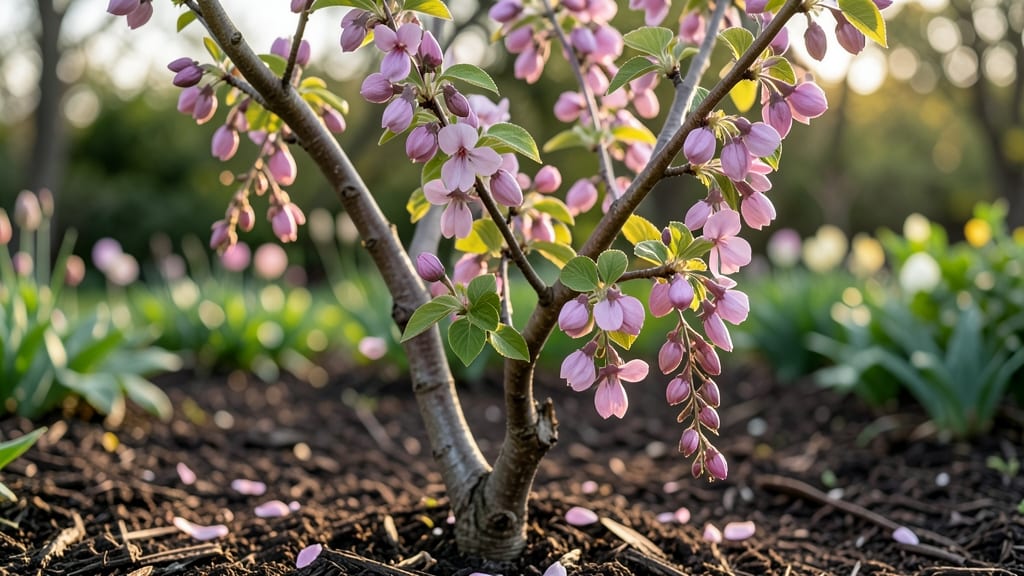
This tree with little purple flowers isn’t just a pretty face—it’s a fragrant, four-season workhorse that turns any yard into a springtime showstopper with almost no effort.
Picture a 🌸 lilac bush in full bloom, its clusters of delicate purple blossoms filling the air with a sweet, intoxicating scent that draws bees and butterflies by the dozens. What makes it even better?
This shrub thrives in zone 6a and beyond, needs just full sun to shine, and grows into a sturdy, long-lived centerpiece that outlasts trendy annuals by decades.
But here’s the thing: not all lilacs are created equal. Some varieties stay compact enough for small gardens, while others grow tall enough to anchor a backyard border.
And yes, there are even reblooming types that give you two rounds of purple magic in one season—if you know the secrets to pruning and care.
In this guide, I’ll walk you through choosing the right lilac for your space, mastering the planting and pruning basics, and avoiding the common mistakes that turn lush blooms into a sad, leggy mess. Ready to turn your garden into a purple paradise?
Identifying and selecting the perfect lilac tree for purple blooms
When searching for a tree with little purple flowers, lilacs stand out as the quintessential choice. These fragrant shrubs come in dozens of varieties, each offering unique shades of purple—from soft lavender to deep violet.
The key to selecting the right one lies in understanding their growth habits, climate needs, and mature size to match your garden space.
Lilacs thrive in USDA Zones 3-7, making them adaptable to most temperate climates. Whether you prefer a compact dwarf for container gardening or a tall standard as a privacy screen, there’s a lilac variety perfect for your needs.
Their spring blooms last 2-3 weeks, filling your yard with intoxicating fragrance—ideal for attracting pollinators and creating a romantic garden atmosphere.
For small gardens, the 'Miss Kim' lilac is a game-changer. This dwarf variety tops out at just 3-5 feet, making it perfect for containers or foundation plantings. Its compact size doesn’t sacrifice fragrance—it produces clusters of lavender blooms that perfume the air in late spring.
If you’re dreaming of a romantic garden focal point, consider the 'Katherine Havemeyer' lilac. This standard-sized variety reaches 10-15 feet tall, offering deep purple blooms that create a dramatic backdrop.
Its vibrant color contrasts beautifully with greenery or pastel flowers, making it ideal for privacy screens or specimen planting.
Weeping lilacs, like 'Tinkerbelle', add a whimsical touch to gardens. Their arching branches cascade with light purple flowers, perfect for patio plantings or small yards. These varieties thrive in well-drained soil and full sun, ensuring lush growth and abundant blooms.
One of my top recommendations for gardeners seeking extended color is the 'Bloomerang' lilac. Unlike traditional lilacs, this reblooming variety produces purple-blue flowers not just in spring but also in late summer. It’s a cut-flower favorite and adds seasonal interest to any landscape.
When selecting your lilac, consider your garden’s sunlight exposure. All lilacs prefer full sun (6+ hours daily), but some tolerate partial shade, especially in hot climates. For urban gardens with limited space, opt for dwarf or semi-dwarf varieties that won’t overwhelm your layout.
Don’t overlook the fragrance factor—some lilacs, like 'Sensation' or 'Mme. Lemoine', have intense sweet scents that attract bees and hummingbirds. Plant them near decks or seating areas to enjoy their aromatic blooms up close.
Pair them with complementary plants like peonies or roses for a classic cottage garden look.
Before purchasing, check your local nursery’s hardiness zone recommendations. Some lilacs, like 'Arctic Beauty', are bred for colder climates (Zones 3-4), while others, such as 'President Lincoln', thrive in warmer zones (Zones 5-7). Matching your
Step-by-step lilac bush planting and pruning for maximum purple flowering
Your lilac bush thrives with the right planting technique and seasonal care. Start by selecting a sunny location with well-draining soil—this sets the foundation for vibrant purple blooms every spring. Lilacs love full sun (6+ hours daily) and tolerate most soil types, but amending with compost boosts flowering potential.
Planting in early spring or fall gives roots time to establish before extreme weather hits.
Timing matters! The best planting window is March to April or September to October in most USDA zones. Avoid planting during summer heatwaves or winter freezes, as stress can reduce root development.
If you're transplanting a potted lilac, dig a hole twice as wide as the root ball but no deeper—this prevents waterlogging and encourages outward root growth for stability.
🌱 Step-by-Step Lilac Planting & Pruning Guide
-
Step 1: Prepare the Planting Site
- Choose a spot with 6+ hours of sun and well-draining soil
- Mix compost into native soil for better nutrients
- Test soil pH—aim for 6.0-7.0 (lilacs tolerate slight alkalinity)
-
Step 2: Dig the Hole
- Make hole twice as wide as root ball
- Keep depth shallow (root flare should sit 1 inch above ground)
- Loosen soil at bottom to encourage root spread
-
Step 3: Plant with Care
- Place bush in hole, spread roots outward (never bend them)
- Backfill with native soil, tamping gently to remove air pockets
- Create a 2-inch water basin around base for irrigation
-
Step 4: Water Deeply
- Water 1 gallon per week for first 2 months
- Keep soil moist but not soggy—lilacs hate waterlogged roots
- Mulch with 2-3 inches of wood chips to retain moisture
-
Step 5: Prune for Blooms
- Spring: Prune right after flowering to shape bush
- Summer: Remove dead or crossing branches for airflow
- Fall/Winter: Avoid heavy pruning—lilacs bloom on old wood
Pruning is where many gardeners go wrong. Reblooming varieties (like 'Bloomerang') need light summer pruning to encourage a second flush of flowers, while traditional lilacs bloom once on old wood. Always use clean, sharp pruners and make cuts at a 45-degree angle just above a bud.
Never remove more than 1/3 of the bush in one season—this stresses the plant and reduces flowering.
For maximum purple blooms, fertilize lightly in early spring with a balanced 10-10-10 formula. Avoid high-nitrogen fertilizers—they promote leafy growth at the expense of flowers.
After pruning, apply a 2-inch layer of mulch to retain moisture and suppress weeds. This simple step can double your lilac's flowering potential over time.
Monitor your lilac for pests like borers or diseases such as powdery mildew. Healthy lilacs rarely need treatment, but a neem oil spray in late summer can prevent issues before they start.
With proper planting and seasonal care, your lilac will reward you with fragrant purple clouds for decades—making it the ultimate low-maintenance showstopper in any garden.