
Flowers
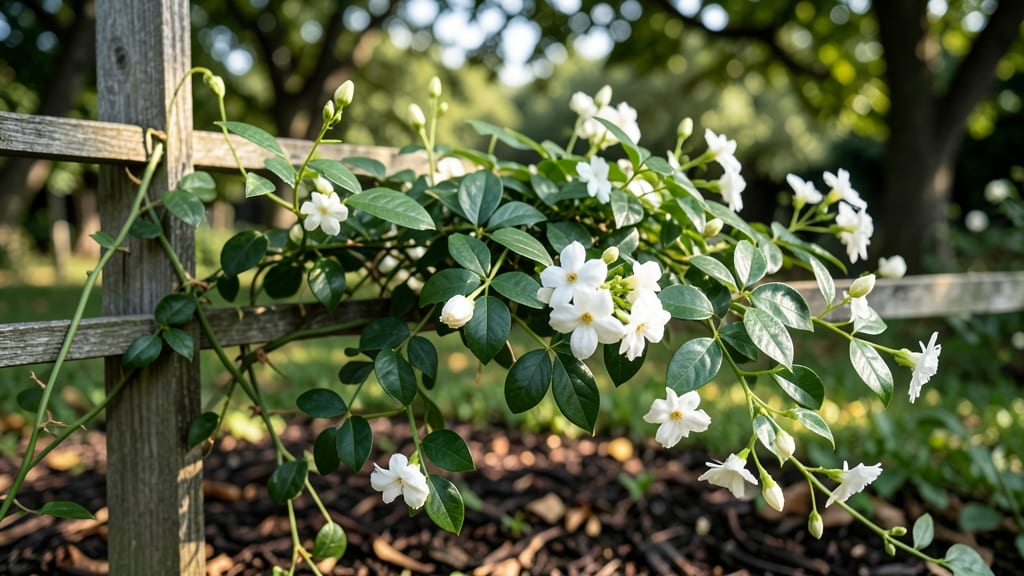
Jasmine flowers bloom in late spring through summer 🌸, with varieties like star jasmine often starting as early as May and lasting until September.
If you've ever dreamed of waking up to the intoxicating scent of jasmine drifting through your garden, timing is everything—planting at the wrong season could mean months of waiting for those fragrant blooms.
In USDA Zone 6a, where many gardeners grow jasmine, the best planting window is April to May, giving the plant enough time to establish roots before the heat of summer.
This timing ensures those delicate white or yellow blooms appear just as the weather warms up, filling your garden with fragrance.
But here’s the secret: with the right care—like pruning after flowering and providing partial shade—you can coax jasmine to bloom a little earlier or later, extending that fragrant season. I’ll show you exactly how to make that happen.
Best months to plant jasmine flowers for seasonal blooming
Timing your jasmine planting is the secret to unlocking those fragrant blooms you crave. Different varieties thrive in spring, summer, or fall, and missing the window can delay flowering by months.
I’ve planted jasmine in USDA zones 7-11 for years, and the difference between a lush, blooming vine and a struggling one comes down to soil temperature, sunlight, and planting month. Let’s break it down so you can enjoy jasmine’s signature scent all season long.
Jasmine flowers respond dramatically to climate-specific planting. In cooler zones (7-9), spring planting ensures robust growth before summer heat, while warmer zones (10-11) can plant year-round with minimal risk. The key is soil temperature—jasmine roots need at least 60°F (15°C) to establish without stress.
I’ve learned this the hard way: planting too early in chilly zones stunts growth, while late planting in hot climates risks heat shock.
Spring varieties like Jasminum officinale (common jasmine) bloom in late spring to summer, while summer-blooming types such as Jasminum sambac (Arabian jasmine) thrive when planted in early summer. Fall plantings work for hardy varieties like star jasmine (Trachelospermum jasminoides), which establish roots before winter dormancy. Your zone and variety dictate the perfect window—let’s dive into the specifics.
For USDA zones 7-9, March–April is ideal for most jasmine varieties. This gives roots time to establish before summer heat. I’ve found that common jasmine planted in late March in zone 8 blooms by June, while star jasmine planted in April waits until July for its star-shaped flowers.
The key is soil warmth—use a soil thermometer to confirm it’s above 60°F (15°C) before planting.
In warmer zones (10-11), you can plant year-round, but avoid peak summer when temperatures exceed 90°F (32°C). I’ve seen Arabian jasmine planted in September in zone 11 bloom by November, thanks to the milder fall. For container plantings, move pots to shadier spots
How to extend jasmine flowering seasons with pruning and care
Jasmine plants naturally bloom in spring and summer, but with the right care, you can coax them into flowering well into fall and even winter.
The key lies in understanding your specific variety—star jasmine (Trachelospermum jasminoides) thrives in warmer climates, while Arabian jasmine (Jasminum sambac) prefers tropical conditions. Both respond beautifully to strategic pruning and seasonal adjustments, which I'll break down for you.
Timing your pruning is critical. Cutting back at the wrong time can delay blooms or stunt growth. For example, pruning Arabian jasmine after flowering encourages new growth that will bloom again in 6-8 weeks.
Meanwhile, star jasmine benefits from a lighter touch—prune just after its spring flush to shape the plant without sacrificing flowers. Let’s dive into the specifics to maximize your jasmine’s fragrance-filled seasons.
- 1 Spring Bloomers: Most jasmine varieties flower in late spring to early summer (May-June), with Arabian jasmine peaking in summer heat.
- 2 Summer Extenders: With regular deadheading, star jasmine can rebloom in late summer (August-September).
- 3 Fall Rebloomers: Winter jasmine (Jasminum nudiflorum) surprises with winter blooms (December-February), while Arabian jasmine may linger into early fall with proper care.
- 4 Year-Round Potential: In USDA zones 9-11, Arabian jasmine can flower year-round with minimal winter chill.
To extend your jasmine’s blooming window, start with pruning for shape and health. For star jasmine, prune lightly in early spring (March) to remove dead or crossing branches. This encourages new growth that will flower in 6-8 weeks.
For Arabian jasmine, prune right after flowering (June-July) to promote a second flush of blooms by fall. Always use sterilized shears to prevent disease.
Fertilization plays a huge role in prolonging blooms. Feed your jasmine with a balanced 10-10-10 fertilizer every 4-6 weeks during active growth (spring and summer). Switch to a low-phosphorus fertilizer in late summer to encourage flowering over foliage.
In fall and winter, reduce fertilization—jasmine enters dormancy and needs rest to rebound for next season.
Winter care is often the make-or-break factor for year-round blooms. In USDA zones 7-8, protect your jasmine with a thick layer of mulch (3-4 inches) around the base. For potted jasmines, move them to a garage or sheltered porch where temperatures stay above 40°F (4°C).
In zones 9-11, a light frost cloth is sufficient. Avoid fertilizing in winter—let the plant focus on root development rather than foliage.
Don’t forget the power of deadheading spent blooms. This simple task removes faded flowers, redirecting the plant’s energy into new blooms instead of seed production. For star jasmine, pinch back 1/3 of the stem after flowering to encourage bushier growth.
For Arabian jasmine, trim back half the plant post-bloom to stimulate a second wave of flowers. Consistency is key—weekly checks keep your jasmine looking its best.
With these techniques, you’ll transform your jasmine from a seasonal bloomer into a fragrant year-round star. The secret? Prune at the right time, feed strategically, and protect it in winter.
Soon, you’ll be the envy of the neighborhood as your garden fills with that unmistakable jasmine scent all year long. 🌸