
Flowers
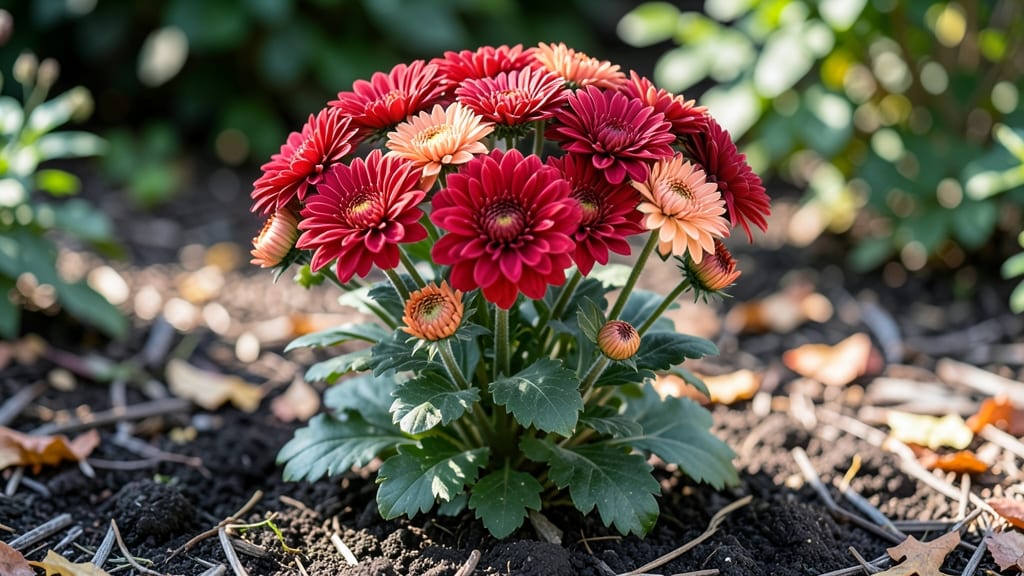
Caring for mum flowers 🌼 means mastering the balance between vibrant blooms and long-term soil health, especially when you want those cheerful faces to last from summer through fall.
Here’s the catch: most gardeners treat mums as seasonal divas, but the real secret to year-round success lies in how you prep them for dormancy and revive them in spring. Skip those steps, and you’ll end up with leggy stems and half-hearted blooms.
From watering schedules that avoid root rot to the best fertilizers for fall blooms, I’ll walk you through the exact care routine that keeps your mums thriving—whether they’re in pots or planted in the ground.
You’ll also learn how to troubleshoot common issues like yellowing leaves or bud drop, plus the one pruning trick that extends flowering by weeks. Let’s get those mums looking their best all season!
Seasonal mum flower care guide: watering, light, and fertilizing by month
Mums (chrysanthemums) thrive with the right seasonal care, transforming from dormancy in spring to vibrant blooms in fall. Their needs shift dramatically each month, requiring adjustments in watering frequency, sunlight exposure, and fertilizer application.
Understanding these monthly changes ensures your mums stay healthy and produce long-lasting, colorful flowers year after year.
Spring is all about waking up dormant roots, while summer demands consistent moisture and balanced nutrients. Fall is peak bloom season, and winter requires careful storage to protect your plants. Let's break down each month's care requirements to keep your mums flourishing.
| Month | Watering | Sunlight | Fertilizing | Special Care |
|---|---|---|---|---|
| January | Minimal (bi-weekly) | 6+ hours (if outdoors) | None | Store in cool, dark place |
| February | Minimal (bi-weekly) | 6+ hours (if outdoors) | None | Check for rot |
| March | Light (weekly) | 6+ hours (transition outdoors) | None | Acclimate to sunlight |
| April | Medium (every 5 days) | Full sun (6+ hours) | Light feed (5-10-10) | Remove dead foliage |
| May | High (every 3 days) | Full sun (6+ hours) | Feed (5-10-10) | Prune leggy stems |
| June | High (every 2-3 days) | Full sun (6+ hours) | Light feed (5-10-10) | Deadhead spent blooms |
| July | High (every 2 days) | Full sun (6+ hours) | Feed (5-10-10) | Mulch to retain moisture |
| August | Medium (every 3 days) | Full sun (6+ hours) | Light feed (
Common mum flower problems and how to fix them for longer bloomsEven the hardiest chrysanthemums can struggle with common issues that cut blooms short. Yellowing leaves, bud drop, and pests often signal underlying care gaps. The good news? Most problems have simple fixes—like adjusting watering schedules or boosting soil nutrients—that can revive your mums and extend their vibrant display well into fall. I’ve seen mums wilt dramatically when gardeners overwater or underfeed, thinking they’re helping. Root rot from soggy soil or nutrient deficiency from skipped fertilizing are two of the fastest ways to kill blooms. But with the right tweaks—like well-draining soil and balanced fertilizers—you can keep your mums thriving for weeks longer than average.
⚠️ Warning: Overwatering is the #1 killer of mum blooms!
Mums hate wet feet. If leaves yellow or stems feel mushy, your plant is drowning. Check soil moisture by sticking your finger 1 inch deep—water only if it’s dry. Containers need even more drainage; add perlite or sand to potting mix to prevent root rot. Another red flag? Bud drop before flowers even open. This usually means temperature stress—mums need consistent temps between 60-75°F. If your garden swings hotter or colder, move potted mums to partial shade or a sheltered spot. Wind exposure can also cause buds to fall prematurely, so group plants together for windbreaks. Pests like aphids and spider mites love mums, sucking sap and leaving sticky residue. I’ve found that a neem oil spray (1 tsp per quart of water) applied every 7-10 days keeps them at bay without harming blooms. For severe infestations, blast off pests with a strong water spray first, then treat with insecticidal soap. Don’t overlook soil health—mums thrive in slightly acidic soil (pH 6.0-6.5). Test your soil and amend with compost or peat moss if needed. A slow-release 10-10-10 fertilizer applied in early fall gives roots the boost they need for next year’s blooms. Deadhead spent flowers regularly too; this redirects energy to new buds instead of seed production. With these fixes, your mums can bloom 2-3 weeks longer than average. Start by pruning leggy stems in early summer to encourage bushier growth, then monitor for pests and adjust watering. A little prevention now means stunning fall color with minimal effort. |