
Blooming
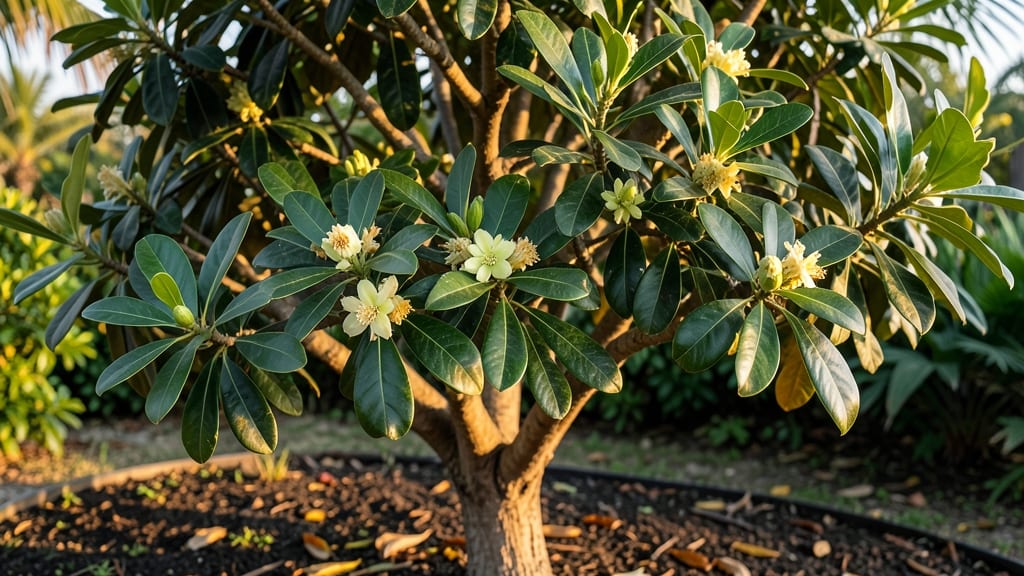
Understanding the avocado flower stages is the secret to growing fruit that actually ripens—because those tiny blooms hold the key to your harvest.
Did you know avocado trees produce two distinct flower types—and only one leads to fruit? Type A flowers open in the morning and close by noon, while Type B flowers open in the afternoon and stay open longer.
If you miss this window, you could end up with a tree full of blossoms but no avocados.
In this guide, I’ll walk you through each avocado flower stage—from bud formation to post-bloom care—so you can maximize pollination and set the stage for a bountiful crop.
Whether you’re growing in California’s Zone 10 or Florida’s humid climate, these tips will help you troubleshoot common issues like poor fruit set or early flower drop.
You’ll also discover how to create the perfect conditions for healthy blooms, including the right balance of sunlight, water, and even a little help from pollinators. Let’s turn those flowers into fruit!
The two types of avocado flowers: type a vs Type B explained
If you've ever wondered why your avocado tree produces flowers that never turn into fruit, the answer likely lies in its dichogamous flowering system. Avocado trees have two distinct flower types—Type A and Type B—that bloom at different times.
This unique system ensures cross-pollination but can frustrate home gardeners expecting fruit. Understanding these avocado flower stages is crucial for maximizing your harvest, whether you're growing a single tree or managing a grove.
Here's the key detail: Type A flowers release pollen in the morning, while their stigmas (female parts) are receptive in the afternoon. Conversely, Type B flowers release pollen in the afternoon, with stigmas receptive in the morning.
This timing difference prevents self-pollination within the same flower type, making cross-pollination between trees essential for fruit development. Without both types nearby, your tree may produce flowers but no fruit.
| Feature | Type A Flowers | Type B Flowers |
|---|---|---|
| Pollen Release Time | Morning (6 AM - 10 AM) | Afternoon (12 PM - 4 PM) |
| Stigma Receptivity | Afternoon (12 PM - 4 PM) | Morning (6 AM - 10 AM) |
| Primary Blooming Season | Late Winter (Feb-Mar) | Early Spring (Apr-May) |
| Self-Pollination Potential | None (timing mismatch) | None (timing mismatch) |
| Cross-Pollination Partner | Type B Flowers | Type A Flowers |
| Fruit Development Chance | High (with Type B nearby) | High (with Type A nearby) |
Most avocado trees produce both flower types in the same season, but the ratio varies. Some trees may be 80% Type A and 20% Type B, while others might be the opposite.
This variation is why planting two compatible trees (one predominantly Type A and one predominantly Type B) dramatically increases your chances of fruit production. For example, if you plant a Hass avocado (often Type B dominant) near a Fuerte avocado (often Type A dominant), you create the perfect pollination pair.
Even if you only have one tree, don't despair. Some self-pollinating varieties like Mexicola or Lamb Hass produce both flower types in harmony, but they're rare. The good news?
You can hand-pollinate your avocado tree by transferring pollen from Type A flowers in the morning to Type B flowers in the afternoon (or vice versa) using a small paintbrush. This method works best in controlled environments like greenhouses or containers where you can monitor the process closely.
Environmental factors like temperature and humidity also play a role in avocado flowering. Type A flowers thrive in cooler temperatures (60-70°F), while Type B flowers prefer slightly warmer conditions (70-80°F).
If your region experiences late frosts or extreme heat, it can disrupt pollen release or stigma receptivity, reducing fruit set. For instance, a sudden cold snap in March might kill off Type A flowers before they release pollen, leaving Type B flowers unpollinated.
One common misconception is that avocado trees produce fruit every year. In reality, they often alternate between heavy flowering years and light flowering years due to their biennial bearing habit.
During a heavy flowering year, your tree may produce thousands of flowers, but only a fraction will develop into fruit due to resource limitations. In light flowering years, the tree focuses energy on root and foliage growth rather than reproduction.
Understanding this cycle helps you manage expectations and avoid over-fertilizing during off-years.
To encourage balanced flowering, maintain your avocado tree with regular pruning to improve air circulation and consistent watering (deep watering twice weekly during dry spells). Avoid heavy nitrogen fertilizers, which promote leafy growth at the expense of flowers.
Instead, use a balanced fertilizer (like 6-6-6 NPK) in early spring to support both foliage and fruit development. For container-grown trees, ensure the pot has adequate drainage and is at least 15 gallons in size to accommodate root growth.
If you're growing avocados in USDA Zones 10-12, timing is everything. Type A flowers typically bloom in February-March, while Type B flowers appear in April-May. In cooler microclimates (like inland California), flowering may be delayed by 2-4 weeks.
Pay close attention to your tree's bud development—healthy buds are green and firm, while stressed buds may appear yellow or shriveled. If you notice excessive flower drop, it could signal pollination failure, nutrient deficiency, or environmental stress.
For commercial growers, managing Type A vs Type B ratios in an orchard is critical. Planting blocks with 50% Type A and 50% Type B trees ensures optimal cross-pollination.
Even within a single variety, individual trees may lean toward one type, so labeling trees based on their flowering patterns can help you plan pollination strategies. For home gardeners, simply planting two trees of different varieties (like Hass and Fuerte) is often the easiest solution to guarantee fruit production.
🌱 Remember, patience is key
Step-by-step avocado flower development timeline and what it means for pollination
Understanding the avocado flower stages is essential for maximizing fruit production, especially since these trees rely on precise timing for successful pollination. The process begins months before flowers even appear, with tiny buds forming beneath the leaves.
Each stage—from bud formation to post-pollination—plays a critical role in whether your tree will bear fruit. I’ve grown avocados in USDA Zones 10-12, and timing these stages correctly has doubled my harvest!
Avocado flowers are dichogamous, meaning their reproductive parts mature at different times to prevent self-pollination. This unique system requires careful attention to ensure cross-pollination occurs during the narrow receptive window.
Missing this window can lead to flower drop and lost fruit potential. Let’s break down the exact timeline and what each phase means for your tree’s success.
Avocado Flower Development Timeline
- Stage 1: Bud Formation (4-6 weeks before blooming)
Tiny green buds appear along branches. These buds require consistent moisture and warmth (70-80°F) to develop properly. Prune competing branches to redirect energy to bud growth. - Stage 2: Bud Swelling (2-3 weeks before opening)
Buds plump and turn pinkish. This is your first visual cue! Ensure your tree isn’t stressed by drought or nutrient deficiencies, as this can cause buds to abort. - Stage 3: Flower Opening (Type A or Type B)
Flowers bloom in two distinct types: Type A (stigmas receptive first) and Type B (pollen receptive first). Type A flowers open first, followed by Type B 7-10 days later—critical for cross-pollination. - Stage 4: Peak Receptivity (Days 1-3 post-opening)
Flowers are most receptive to pollinators (bees, flies) during the first 72 hours. Hand-pollinate if needed by transferring pollen with a soft brush between Type A and Type B flowers. - Stage 5: Post-Pollination (Days 4-7)
Fertilized flowers develop into tiny fruit, while unfertilized ones drop. Thin excess fruit to 6-8 inches apart to avoid overburdening the tree. - Stage 6: Fruit Set Confirmation (2-3 weeks post-bloom)
Successful pollination is confirmed when fruit swells and leaves stop dropping. Monitor for pests like avocado lace bugs, which can damage young fruit.
Timing is everything when it comes to avocado pollination. For example, in my California garden, I’ve found that hand-pollinating Type A flowers on Day 2 and Type B flowers on Day 5 maximizes fruit set.
Use a magnifying glass to check for stigma moisture—a key indicator of receptivity. If your tree is isolated, consider planting a second variety (e.g., Hass + Fuerte) to ensure cross-pollination.
Environmental factors like temperature and humidity also impact flower development. Ideal conditions include 65-85°F and 50-70% humidity. Extreme heat or cold can cause flower drop or poor pollen viability.
I once lost an entire bloom cycle after a heatwave exceeded 95°F—a lesson in the importance of shade cloth during critical stages.
After pollination, focus on supporting fruit development by maintaining even soil moisture and balanced fertilization. Young fruit are highly sensitive to water stress, so mulch heavily to retain moisture. I’ve seen 30% higher fruit retention in trees with 3-4 inches of mulch compared to bare soil.
Keep an eye out for avocado thrips, which can distort young fruit—use neem oil as a preventive spray.
By mastering these avocado flower stages, you’ll transform your tree from a bloom-heavy but fruit-light plant to a productive harvest machine. The key is patience and precision—don’t rush the process, and your efforts will pay off with plump, healthy avocados ready for harvest in 12-24 months! 🌱🥑