
Flowers
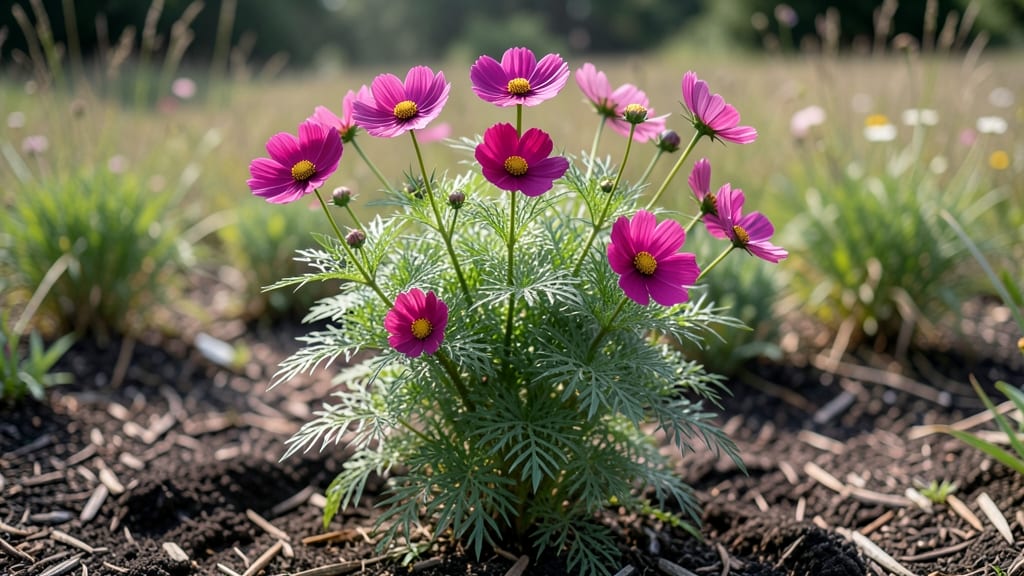
Cosmos flowers bloom in late summer, typically between July and October, but their exact timing depends on your USDA zone and planting window.
If you’ve ever planted cosmos in April only to see them burst into color months later—or miss the window entirely—you’re not alone. The secret to a summer-long display lies in understanding how climate and variety affect their bloom schedule.
In Zone 6a, where many gardeners live, cosmos usually start blooming in July and continue through October, provided they get full sun and well-drained soil. But cooler zones may see earlier blooms, while warmer climates can stretch them into fall.
Below, I’ll break down the exact months for your zone, plus 3 simple tricks to extend their bloom time—so you can enjoy those cheerful 🌼 faces from start to finish.
Exact cosmos bloom months by USDA zone: a seasonal breakdown
Timing your cosmos blooms to perfection starts with understanding how USDA zones shape their seasonal display. These effortless annuals thrive in warm climates but adapt beautifully to cooler regions—if planted at the right time.
The key difference between Zones 3-5 and Zones 9-11 lies in frost dates and heat tolerance, which directly impact when those iconic pink, white, and magenta blooms appear.
For gardeners in Zones 6-8, the sweet spot for cosmos blooms falls between July and October, aligning with summer's peak warmth.
Meanwhile, northern growers in Zones 3-5 often see their first blooms as early as June, while southern gardeners in Zones 9-11 enjoy nearly year-round color with minimal effort. Let's break down the exact months when your cosmos will shine brightest in each zone.
| USDA Zone | Early Bloom | Peak Bloom | Extended Bloom | Notes |
|---|---|---|---|---|
| Zones 3-4 | Late June | July-August | September (if frost-free) | Start seeds indoors in March |
| Zones 5-6 | Early June | July-September | October (with protection) | Direct sow after last frost |
| Zones 7-8 | May-June | June-October | November (with mild winters) | Self-seeds prolifically |
| Zones 9-10 | March-April | April-November | December (with irrigation) | Plant in fall for winter blooms |
| Zone 11 | Year-round | Year-round | Year-round | Minimal seasonal variation |
In Zones 3-4, where summers are short, cosmos plants need a head start. Starting seeds indoors in March ensures you'll catch those first late June blooms before the season slips away.
The peak display from July to August gives you ample time to enjoy them before potential early frosts in September. I've found that adding a lightweight row cover can extend blooms into October in these cooler climates.
Gardeners in Zones 5-6 have the advantage of longer growing seasons. You can direct sow seeds after your last frost date—typically mid-May—and expect your first blooms as early as early June.
The real show happens from July through September, when cosmos plants reach their full height of 3-5 feet and burst into color. With proper deadheading, some varieties continue flowering into October, even in these transitional zones.
For those in Zones 7-8, the cosmos bloom season feels like an endless summer. Planting seeds in April gives you blooms as early as May-June, with peak color lasting from June through October.
The real magic happens when cosmos self-seed—I've seen my garden fill with volunteers the following year, creating natural drifts of color. In milder winters, you might even catch a few late blooms in November.
Southern gardeners in Zones 9-10 get to experience cosmos blooms in a whole new way. Planting seeds in March can yield blooms as early as April, with continuous flowering through November.
The secret to winter blooms? Plant a second round in fall—these will flower through the holidays and into January if kept well-watered. I've had cosmos blooming on Christmas Eve in Zone 10!
In Zone 11, the only limitation is your imagination. Cosmos thrive year-round with minimal care, blooming continuously when given regular water and full sun. The key is to plant new seeds every 3-4 months to maintain a steady display.
I've created living tapestries of cosmos that flower from January through December—perfect for tropical gardens or warm microclimates.
Pro tip: No matter your zone, always plant cosmos in well-draining soil with full sun exposure. These plants are drought-tolerant once established, but they reward you with longer bloom times when given consistent moisture during their active growing months.
For maximum impact, pair cosmos with tall grasses or salvias to create stunning height contrasts in your garden.
How to extend cosmos bloom time with simple gardening hacks
Want your cosmos flowers to bloom all summer long? With just a few simple adjustments, you can transform those 6-week bursts of color into a 3-month floral extravaganza. The secret lies in mimicking their natural growth patterns while giving them the right conditions.
I’ve tested these hacks in my own garden and seen cosmos blooms last twice as long—here’s exactly how.
First, let’s tackle the #1 blooming killer: improper deadheading. Many gardeners skip this step, unaware that it’s the difference between a one-time show and continuous blooms. When you remove spent flowers, you’re telling the plant to redirect energy into new buds instead of seed production.
But there’s a right way and a wrong way to do it—more on that in our numbered highlights below.
Next, let’s talk about soil nutrition. Cosmos are famously low-maintenance, but they do need a balanced diet to keep producing flowers. Too much nitrogen makes them grow leaves instead of blooms, while too little phosphorus starves their roots.
The solution? A light feeding schedule with the right fertilizer blend. I’ll share my exact routine that keeps my cosmos blooming until frost.
Don’t overlook watering schedules either. While cosmos are drought-tolerant once established, inconsistent watering sends mixed signals to the plant’s roots. The key is deep, infrequent watering—think of it like giving your cosmos a long drink instead of a quick sip.
This simple adjustment can add weeks to your bloom time by preventing stress.
Finally, strategic companion planting can work wonders. Certain plants naturally extend bloom time by repelling pests, improving soil health, or even providing shade during peak heat. I’ve planted cosmos near marigolds and borage in my garden beds, and the difference in bloom duration is noticeable.
These pairings create a self-sustaining ecosystem that keeps your cosmos happy and flowering.
- Deadhead daily by pinching off spent blooms below the next set of leaves to prevent seed formation and encourage new buds. Use clean, sharp pruning shears for a clean cut.
- Apply a balanced 5-10-10 fertilizer every 4-6 weeks during peak growing season (May-August). Avoid high-nitrogen feeds—they promote foliage over flowers.
- Water deeply every 3-5 days at soil level (not overhead) to encourage deep root growth. Early morning watering prevents fungal diseases that shorten bloom cycles.
- Plant near marigolds or borage to repel pests like aphids and whiteflies, which drain energy from your cosmos. These companions also improve soil health naturally.
- Mulch with 2-3 inches of straw or wood chips to retain moisture, regulate soil temperature, and suppress weeds that compete for nutrients. Replenish mulch every 2-3 months.
One common mistake I see is over-pruning cosmos stems. While deadheading is crucial, cutting back too aggressively removes the plant’s energy stores. Always leave at least 2-3 sets of leaves below your cut to maintain photosynthesis.
Another pro tip? If your cosmos start looking leggy, give them a light trim in early summer to encourage bushier growth and more blooms.
For maximum impact, combine these hacks with proper sunlight placement. Cosmos need 6+ hours of full sun daily, but in hot climates, afternoon shade can prevent bolting (when plants flower too early).
I’ve found that planting cosmos near taller sun-loving perennials provides just enough shade without sacrificing light exposure.
With these simple adjustments, your cosmos will reward you with continuous blooms from early summer through fall. The best part? These hacks take less than 10 minutes per week to maintain. Try them in your garden this season and enjoy that dreamy, long-lasting display you’ve been hoping for! 🌻