
Flowers
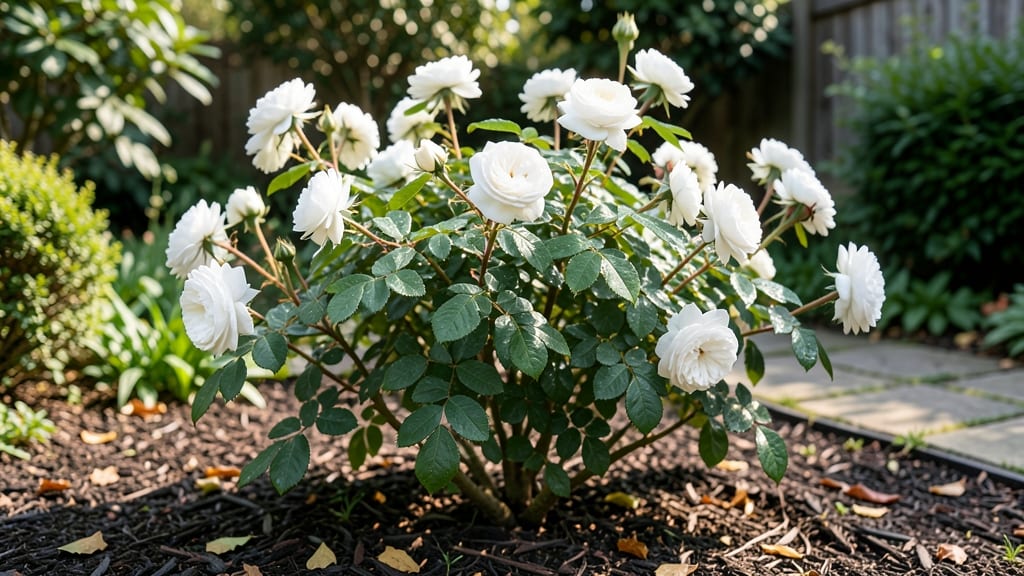
The delicate beauty of white flowers in roses brings a timeless elegance to gardens, with their pure petals and romantic charm 🌹, making them a designer’s secret weapon for creating serene, high-impact spaces.
But here’s the thing: not all white roses are created equal. Some bloom in delicate clusters perfect for cottage gardens, while others grow as towering climbers that steal the show in formal landscapes. The right variety can transform a simple border into a breathtaking focal point—or even a wedding-worthy centerpiece.
Whether you’re dreaming of fragrant hedges, dramatic cut flowers, or a low-maintenance ground cover, there’s a white rose variety that fits. Below, I’ll share 5 standout types that shine in different garden styles, plus the care secrets to keep them thriving all season.
Ready to add sophistication to your outdoor space? Let’s dive into the world of white roses—where purity meets practical beauty.
5 Stunning white rose varieties for every garden style
White roses bring timeless elegance to any garden space, whether you're creating a romantic border, a formal hedge, or a fragrant cutting garden. Their versatility makes them perfect for both beginner gardeners and seasoned horticulturists.
Below, I’ve curated five standout varieties that will transform your outdoor space with their varying bloom sizes, fragrances, and growth habits.
From delicate spraying floribundas to towering climbing roses, these selections offer something for every garden style. Each variety has been chosen for its unique characteristics, including disease resistance, hardiness, and low-maintenance care.
Whether you dream of a whimsical cottage garden or a structured landscape design, there’s a white rose perfect for your vision.
The Iceberg rose is a floribunda favorite for its continuous blooms and disease resistance. Its large clusters of pale cream flowers create a romantic border that’s perfect for cottage gardens. This variety thrives in full sun and requires minimal pruning, making it ideal for low-maintenance landscapes.
For a formal garden, the Blanc Double de Coubert is unmatched. This old garden rose produces double blooms with delicate petals that create a lush, rounded hedge.
Its mild fragrance adds a touch of elegance without overpowering other plants. This variety is drought-tolerant once established, making it a hardy choice for dry climates.
If you love cutting flowers, the White Knight is a game-ch
How to care for white roses: light, soil, and pruning secrets
White roses thrive when given the right growing conditions, and understanding their basic needs will help you cultivate healthy blooms all season long. Unlike some roses that tolerate shade, white varieties—especially hybrid teas and climbers—demand full sun exposure to produce their signature pure white flowers and intoxicating fragrance.
Without proper care, you might notice fewer blooms or leggy growth, which can dull their elegance.
Beyond sunlight, the soil pH and watering schedule play critical roles in keeping your white roses vibrant. Most roses prefer a slightly acidic to neutral soil, but white roses, in particular, benefit from a pH between 6.0 and 6.5.
Overwatering or poor drainage can also lead to root rot, which is a common issue for beginners. Let’s dive into the essential care secrets to ensure your white roses remain the showstopper of your garden.
🌹 Top 5 Care Secrets for White Roses
- 🌞 Sunlight: Provide 6+ hours of direct sun daily for optimal blooming. Morning sun is ideal to prevent wilting.
- 💧 Watering: Water deeply 2-3 times per week (more in summer). Avoid wetting foliage to prevent disease.
- 🌱 Soil pH: Maintain a pH of 6.0-6.5 using lime or sulfur. Test soil annually for accuracy.
- ✂️ Pruning: Trim dead or crossing branches in early spring and lightly shape after blooming to encourage new growth.
- 🌿 Fertilizing: Use a balanced 10-10-10 fertilizer every 4-6 weeks during the growing season (spring to fall).
Let’s start with the most critical factor: sunlight exposure. White roses, especially varieties like 'Iceberg' or 'White Shimmer', need at least 6 hours of direct sunlight per day to produce their signature abundant white blooms.
If planted in partial shade, you’ll likely see smaller flowers and fewer stems, which can detract from their romantic appeal. I recommend placing them in a south-facing location where they can bask in morning sun and avoid the harsh afternoon heat.
Next, focus on soil preparation. White roses thrive in well-draining, slightly acidic soil with a pH between 6.0 and 6.5. Before planting, amend your soil with compost or aged manure to improve fertility and structure.
If your soil is too alkaline, add sulfur or peat moss to lower the pH gradually. A simple soil test kit (available at garden centers) will help you determine the exact adjustments needed.
When it comes to watering white roses, consistency is key. These plants prefer deep, infrequent watering rather than shallow, frequent sprinkles. Water at the base of the plant in the morning to allow foliage to dry quickly, reducing the risk of fungal diseases like black spot.
During the summer months, you may need to water every 2-3 days, while fall and winter watering can be reduced to once a week, depending on rainfall.
Finally, seasonal pruning is essential for maintaining the health and shape of your white roses. In early spring, remove any dead, diseased, or crossing branches to improve airflow and reduce pest risks.
After the first flush of blooms in late spring or early summer, lightly prune to encourage a second round of flowers. Always use clean, sharp pruners and make cuts at a 45-degree angle just above an outward-facing bud.
With these care secrets in mind, your white roses will reward you with lush foliage and stunning blooms all season long. Whether you’re growing them for cut flowers or garden borders, proper light, soil, and pruning will keep them looking their best. Happy gardening! 🌿