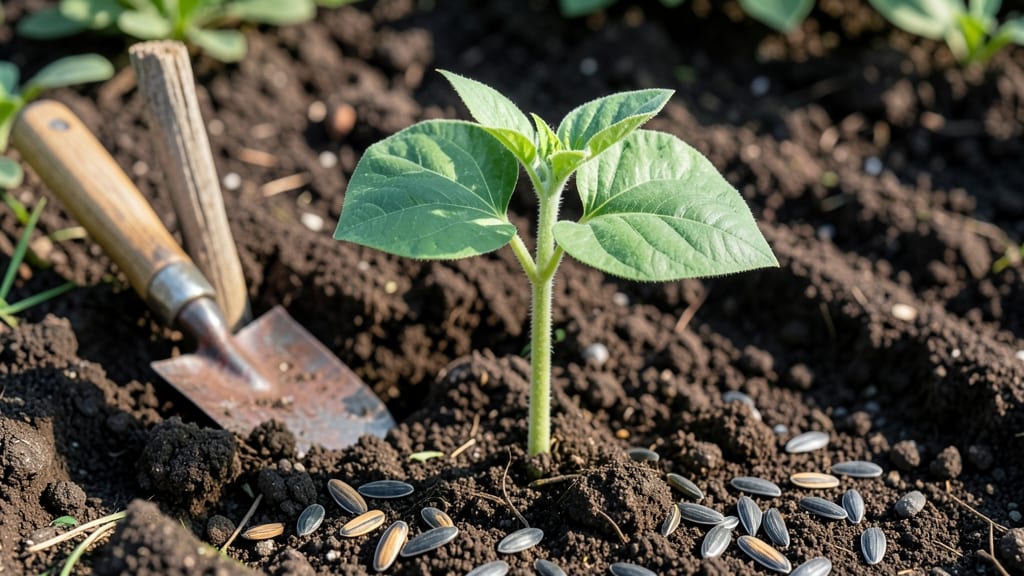
To sow sunflowers at the right time means catching the 60-80 days they need to reach harvest before summer heat or frost cuts them short.
Picture this: You’ve got a packet of seeds, a sunny patch, and high hopes—only to watch them bolt or rot because you planted too early or too late. Sunflowers 🌻 aren’t picky, but timing is everything for those towering blooms you’re dreaming of.
In USDA Zone 6a, like where I garden, the sweet spot is April through June, when soil temps hit 60°F and nights stay above freezing.
But if you’re in a warmer zone or cooler climate, those windows shift—and getting it wrong means missing out on the fast germination and bold colors you’re after.
Here’s how to align your sowing schedule with your zone, whether you’re direct-seeding or starting indoors, plus the three common mistakes that turn eager gardeners into “almost” growers.
🌻
When to Plant Sunflower
Jan
❄️
Feb
❄️
Mar
🌱
Apr
🌻
May
🌻
Jun
🌻
Jul
🌱
Aug
☀️
Sep
🍂
Oct
🍂
Nov
🍂
Dec
❄️
USDA zone-specific sunflower sowing timelines for fast germination
Sunflowers love warmth, and their germination speed skyrockets when soil temperatures hit 60-70°F. Planting too early in cold zones risks rot, while waiting too long in hot climates can delay blooms. The key is matching your USDA zone to sunflower’s ideal 60-day growth window before first frost.
For example, in Zone 3, you’ll need to start seeds indoors or use cold frames, while Zone 10 gardeners can direct-sow year-round.
Sunflowers thrive with 6+ hours of sunlight daily, but their root systems need consistent warmth to sprout reliably. A soil thermometer is your best friend—wait until readings stay above 55°F for 5+ days before sowing outdoors.
In cooler zones, consider black plastic mulch to warm soil faster. Remember, taller varieties like 'Mammoth' (12-16 ft) need extra time to mature, while dwarf types like 'Teddy Bear' (2-3 ft) can handle later plantings.
Here’s your zone-by-zone sowing guide, including frost dates and ideal soil temps for fast germination:
| USDA Zone |
Last Frost Date |
Optimal Sowing Window |
Soil Temp (°F) |
Germination Time |
Notes |
| Zones 3-4 |
Mid-May |
Indoors: March 15
Outdoors: May 15 |
60-70°F |
7-14 days |
Use grow lights or cold frames |
| Zones 5-6 |
Early April |
Outdoors: April 15-May 15 |
55-65°F |
5-10 days |
Avoid late frosts—use row covers |
| Zones 7-8 |
Mid-March |
Outdoors: March 20-May 1 |
60-75°F |
4-7 days |
Succession plant for continuous blooms |
| Zones 9-10 |
None (warm year-round) |
Year-round (avoid winter) |
70-80°F |
3-5 days |
<
How to adjust sunflower planting for your local climate
If you’re in a short-season zone like USDA 3-5, you might think sunflowers are out of reach—but they’re tougher than you think. With the right adjustments, you can still grow them from late May to early July, even if your growing season feels compressed.
The key is succession planting and protecting seedlings from unpredictable weather.
For hot climates (Zones 8-11), the challenge is different: intense summer heat can cause bolting or poor germination. Here, I plant sunflowers in early spring or late summer to avoid the peak heat. Shade cloth or morning watering can also help seedlings establish before the sun gets too fierce.
Now, let’s break down the three best adjustments for your local climate, whether you’re dealing with frost, heat, or erratic weather patterns.
How to Adjust Sunflower Planting
-
1
Succession Planting for Short Seasons
Sow seeds every 2-3 weeks from late spring to early summer. This ensures a continuous harvest and maximizes your short growing window.
-
2
Container Growing for Small Spaces or Heat
Use 5-gallon pots or larger for dwarf varieties like 'Teddy Bear.' Move containers to shadier spots during peak afternoon heat to prevent wilting.
-
3
Cold Frames or Row Covers for Early Starts
Start seeds 4-6 weeks early under a cold frame or row cover. Remove covers when soil temps hit 55°F to avoid overheating seedlings.
In cooler climates (Zones 3-6), I’ve had success using black plastic mulch to warm the soil faster. This lets me plant sunflowers 2-3 weeks earlier than the average last-frost date. Just be sure to remove the mulch once seedlings emerge to prevent overheating.
For humid or rainy regions, focus on well-draining soil and avoid overwatering. Sunflowers hate soggy roots, so raised beds or mounds can make all the difference. If your area gets late-season rains, opt for faster-maturing varieties like 'Autumn Beauty' to finish before frost.
No matter your climate, observe your local weather patterns for at least a year. Note when frost dates shift or heatwaves arrive early. Adjust your planting schedule accordingly—sunflowers are resilient, but timing is everything for those show-stopping blooms you’re after. 🌻
★★★★★5.0(15 reviews)