
Flowers
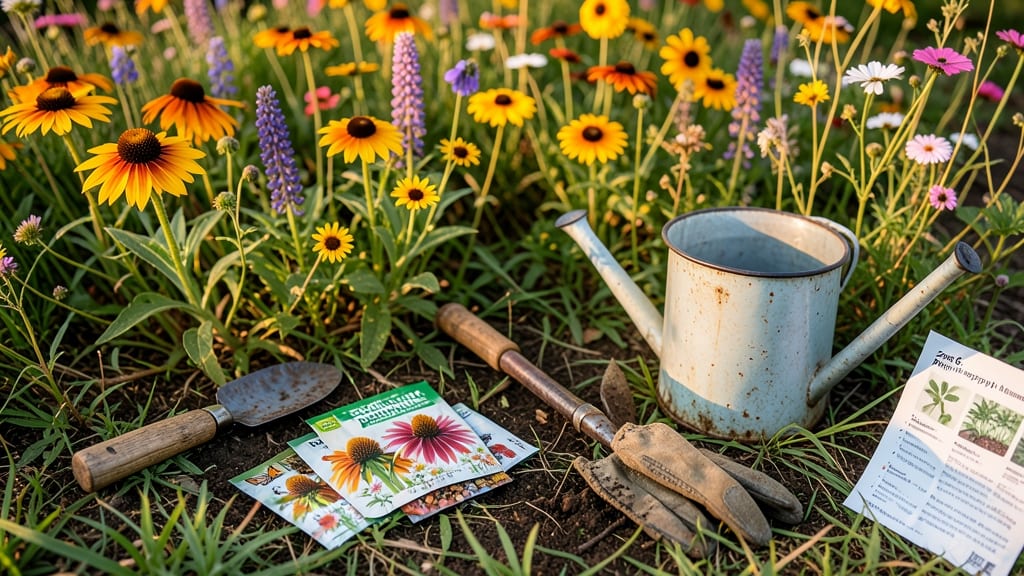
Plant wildflowers in Zone 6 during early spring (March–April) or early fall (September–October) for the most vibrant blooms 🌼—these windows balance frost risk and soil warmth.
Zone 6 gardeners know timing is everything—plant wildflowers too early, and frost will wipe them out; too late, and summer blooms may never arrive. But with the right schedule, you can transform your landscape into a pollinator paradise year after year.
Native wildflowers thrive when sown just as the soil warms, while annual mixes benefit from a late-summer planting to stretch blooms into fall. Whether you’re direct-sowing seeds or transplanting plugs, understanding your local frost dates makes all the difference.
Below, I’ll break down the best months for planting, soil prep tips, and how to adjust for your specific microclimate—so you can enjoy nonstop color from late spring through early fall.
Optimal wildflower planting months in Zone 6 for year-round color
In Zone 6, wildflowers thrive when planted at the right time—too early and frost zaps seedlings, too late and summer blooms fizzle. The key is understanding seasonal windows that align with your climate's last and first frost dates.
For most of Zone 6, this means two primary planting periods: early spring and early fall, with adjustments for annuals vs. perennials.
Annual wildflowers like cosmos and zinnia need warm soil to germinate, so they’re best planted after the last frost date (typically mid-April). Perennials like black-eyed Susan and coneflower, however, benefit from fall planting to establish roots before winter. This timing ensures they bloom earlier and stronger the following year.
Here’s the breakdown of your planting schedule, including frost risk and bloom expectations:
| Planting Window | Best For | Frost Risk | Bloom Time | Notes |
|---|---|---|---|---|
| Early Spring (March - April) | Perennials, hardy annuals | Moderate (late frosts) | Summer to early fall | Plant after last frost; mulch to protect seedlings. |
| Late Summer (August) | Annuals, fall-blooming perennials | Low (established roots) | Fall to early winter | Ideal for late-season color; water deeply before frost. |
| Early Fall (September - October) | Perennials, biennials | Low (roots establish before winter) | Next spring/summer | Best for long-lived perennials; soil stays warm for germination. |
| Avoid: Late Fall (November) | Most wildflowers | High (frost kills seedlings) | None (or minimal) | Seeds may not germinate before winter; risk of frost damage. |
For spring planting, focus on March to early April when soil temperatures rise above 50°F. This timing gives annuals like sunflowers and marigolds enough time to mature before summer’s heat peaks.
If you’re planting perennials, aim for late March to avoid early frost damage while still allowing roots to establish.
Late-summer planting in August is a game-changer for fall-blooming wildflowers like goldenrod and aster. These varieties thrive in cooler temperatures and provide critical nectar for pollinators as summer winds down. Just be sure to water deeply to help seeds germinate before the first frost hits in mid-October.
Fall planting in September to October is ideal for perennials because the soil remains warm enough for germination, but temperatures cool enough to prevent drought stress. This method ensures robust root systems before winter, leading to earlier and more vigorous blooms the following year.
Think of it as giving your wildflowers a head start!
Zone 6’s late-summer heat (July-August) can stress newly planted wildflowers, especially annuals. To mitigate this, choose heat-tolerant varieties like lantana or blanket flower, and provide light mulching to retain moisture. Avoid planting new seeds during peak heat—wait until soil temperatures drop below 85°F for better success.
One common mistake is planting all wildflowers at once, leading to a single bloom season. Instead, stagger plantings every 4-6 weeks from spring to fall. This creates a continuous display of color, from early spring crocus to late-fall sedum.
For example, plant early bloomers like lupine in March, summer stars like black-eyed Susan in May, and fall favorites like aster in August.
Pro tip: Use a seed starting mix for direct sowing to ensure good germination. Wildflowers don’t need rich soil—they thrive in poor, rocky, or sandy conditions.
Just rake the soil lightly, scatter seeds, and press them into the surface. A light mulch (like straw) helps retain moisture without smothering seedlings.
By aligning your planting schedule with Zone 6’s frost dates and
How to adjust planting times based on wildflower seed types
Not all wildflowers thrive with the same planting schedule in Zone 6. Whether you're sowing native wildflower seeds, transplanting seedling plugs, or installing mature wildflower transplants, timing matters.
Each method requires different preparation, especially when accounting for cold stratification needs and drought tolerance phases. Let’s break down the best strategies for your Zone 6 microclimate.
For wildflower seeds, timing depends on whether the species needs cold stratification—a chilling period to break seed dormancy. Many native wildflowers, like black-eyed Susan or purple coneflower, benefit from sowing in early fall (September-October) or late winter (February-March).
This mimics natural conditions and ensures germination when temperatures rise. If you’re planting in spring (April-May), pre-chill seeds for 4-6 weeks in the fridge to mimic winter.
Wildflower seedling plugs offer a faster, more predictable option. These young plants can be transplanted in early spring (March-April) or early fall (September), avoiding the late-summer heat that can stress seedlings.
Plugs are ideal for drought-tolerant species like butterfly weed or goldenrod, which establish roots quickly. Just be sure to water deeply after transplanting to reduce shock.
If you’re planting mature wildflower transplants, your window is slightly wider: early spring (March-April) or late summer (August). These established plants handle Zone 6 heat better and can even be planted in late summer to bloom before frost.
Just mulch heavily to retain moisture during drought phases. For Zone 6a (colder subregions), delay spring plantings until after the last frost date (April 15).
Regional microclimates play a huge role. In urban heat islands, plant seeds 2 weeks earlier to escape summer heat. In rural or high-elevation areas, extend the fall window by 3 weeks to take advantage of cooler nights.
Always check local frost dates and adjust accordingly—this is how you avoid winterkill or heat stress.
Pro tip: Mix annuals (like cosmos) with perennials (like milkweed) for continuous blooms. Annuals planted in late spring (May) fill gaps, while perennials sown in fall establish roots for years of color. With these adjustments, your Zone 6 wildflower garden will thrive year after year! 🌼