
Flowers
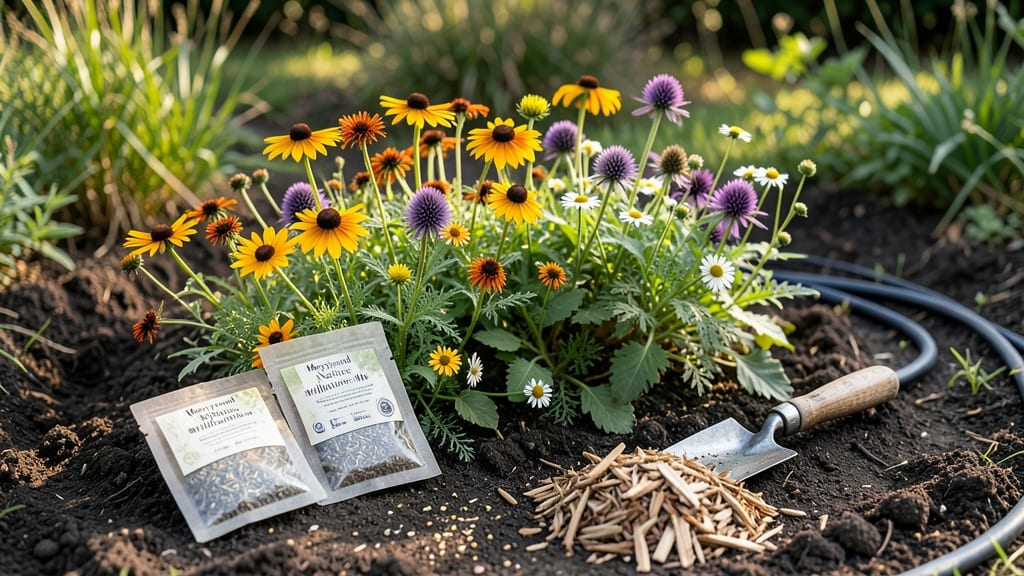
Plant wildflowers in Maryland between early spring and fall to catch the 180 frost-free days that make or break your blooms 🌼.
Maryland’s unpredictable frost dates can turn wildflower planting into a guessing game—but timing is everything for vibrant blooms from spring to fall. Skip the wrong window, and you’ll end up with patchy color or seeds that sprout too late for summer heat.
Here’s the secret: spring planting (March–April) gives you a head start, while fall planting (September–October) lets seeds establish roots before winter. We’ll break down the exact frost dates by region so you can pick the best time for your microclimate.
From soil prep to seed selection, you’ll learn how to stretch your wildflower season—no matter whether Maryland’s weather throws an early frost or a scorching summer your way.
Maryland’s frost dates by region: best planting windows for wildflowers
Maryland’s frost dates vary dramatically across regions, making wildflower planting a regional puzzle. The Eastern Shore typically enjoys earlier springs and later falls compared to Western Maryland, while Baltimore’s urban heat island can delay frost by 1-2 weeks.
Understanding these microclimates ensures your wildflowers thrive from spring blooms to fall color.
For annual wildflowers, like cosmos or zinnia, timing is critical—they need warm soil (at least 60°F) to germinate. Perennials, such as coneflowers or black-eyed Susans, are more forgiving but still benefit from early spring or fall planting to establish strong roots before winter dormancy.
Here’s how Maryland’s three key regions differ in frost timing and planting windows:
If you’re planting heat-tolerant annuals like sunflowers or marigolds, wait until after your region’s last frost—but don’t delay too long. Seeds lose viability in hot, dry soil, so aim to plant annuals within 2–3 weeks of your last frost date.
For perennials, fall planting is ideal—they establish roots before winter dormancy and bloom earlier the following spring.
For Baltimore gardeners, the urban heat island effect can push frost dates 1–2 weeks later than rural areas. Use local weather data (like NOAA frost maps) to fine-tune your planting schedule.
I’ve found that staggered planting—sowing half my seeds in spring and half in fall—extends my bloom season by 2–3 months.
One common mistake is planting too early in Western Maryland, where late frosts can still hit in April. Hardy perennials like purple coneflower can handle light frost, but tender annuals like cosmos will bolt or die if exposed to freezing temps.
Always check the 7-day forecast before sowing heat-loving seeds.
For Eastern Shore gardeners, the longer growing season allows for earlier spring and later fall plantings.
I’ve successfully grown Mexican sunflowers from seed in early March—they tolerate cooler soil better than zinnia or marigold. Fall planting here can even extend into early October, giving seeds time to germinate before frost.
Pro tip: Use row covers or cold frames to protect early plantings if late frosts threaten. I’ve saved delicate annuals like larkspur by covering them with frost cloth until soil warms. Perennials, however, rarely need this—just mulch heavily in fall to insulate roots.
Remember, Maryland’s frost dates aren’t set in stone—microclimates, elevation, and urban areas can shift them by weeks. Keep a gardening journal to track your local frost patterns over time. With the right timing, your wildflower meadow can burst into color from May through October!
Top wildflower varieties for Maryland’s climate and when to sow them
Maryland’s USDA zones 7a-8a offer perfect conditions for native wildflowers that thrive with minimal care. Whether you’re planting for spring color or fall blooms, timing is critical.
Most wildflowers establish best when sown 4-6 weeks before the last frost or 6-8 weeks before the first frost—typically March-April or September-October in Maryland. Let’s dive into the top varieties that will transform your garden into a pollinator paradise.
For early spring blooms, consider Virginia Bluebells and Bloodroot, which emerge as soon as the soil warms. These woodland natives prefer partial shade and moist, well-draining soil.
In contrast, Black-Eyed Susans and Coneflowers are sun-loving perennials that thrive in full sun and dry conditions, making them ideal for summer-long color. Plant these in late spring (April-May) for robust root establishment before summer heat.
| Wildflower Variety | Best Planting Time | Sunlight Needs | Soil Preference | Height at Maturity |
|---|---|---|---|---|
| Black-Eyed Susan (Rudbeckia hirta) | April-May or September | Full sun (6+ hours) | Well-draining, average soil | 2-3 feet |
| Coneflower (Echinacea purpurea) | March-April or September | Full sun to partial shade | Adaptable, drought-tolerant | 2-4 feet |
| Virginia Bluebells (Mertensia virginica) | September-October (fall) | Partial shade | Moist, rich soil | 1-2 feet |
| Lupine (Lupinus perennis) | March-April | Full sun | Well-draining, slightly alkaline | 1-2 feet |
| Goldenrod (Solidago spp.) | April-May or September | Full sun | Dry to medium soil | 2-3 feet |
| Butterfly Weed (Asclepias tuberosa) | April-May | Full sun | Dry, sandy soil | 1-2 feet |
If you’re aiming for fall color, Asters and Joe-Pye Weed are excellent choices.
These late-season bloomers thrive when planted in late summer (August) or early fall (September), giving them time to establish roots before winter. Joe-Pye Weed, in particular, loves moist soil and full sun, making it perfect for wetland edges or pond gardens.
For drought-resistant options, Butterfly Weed and Purple Coneflower are top performers. Both require minimal watering once established and attract butterflies and bees all season long. Plant these in well-draining soil with full sun exposure for best results. Avoid overwatering, as they thrive in dry conditions once their roots are deep.
To ensure success, always prepare your soil by removing weeds and loosening the top 6 inches of soil. Scatter seeds evenly and lightly cover with a thin layer of soil or mulch to protect them from birds and drying out.
Water lightly but consistently until germination, which typically occurs within 14-21 days for most wildflowers. Once established, reduce watering to once a week or less, depending on rainfall.
With the right wildflower varieties and planting timing, your Maryland garden will burst with color and life from spring through fall. Start with these top picks, and watch your pollinator friends thrive! 🌼