
Planting
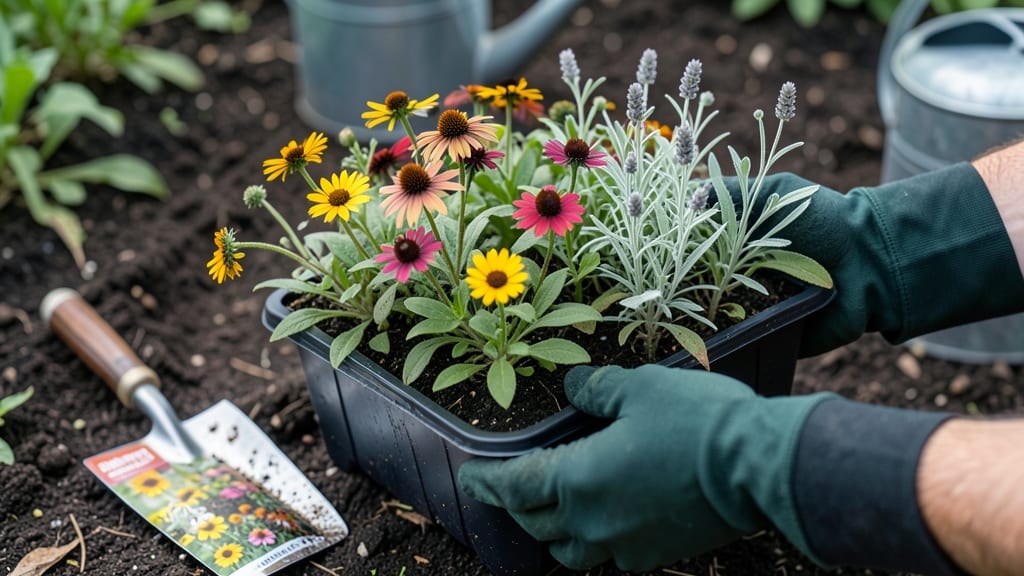
Planting wildflowers at the right time ensures vibrant blooms that last all season 🌼 — and missing the window can mean waiting another year for that dreamy meadow.
Timing your wildflower planting can mean the difference between a vibrant meadow of blooms and a patch of disappointment—here’s the exact science behind when to plant for your region.
In USDA Zone 6a, like many temperate climates, the best windows are early spring (March-April) or fall (September-October), when soil temperatures are cool but consistent.
Warm-season varieties, like black-eyed Susans, thrive when sown in spring, while cool-season types, such as bluebells, benefit from a fall start.
Below, I break down the exact months for your zone, soil prep secrets to boost germination, and how to adjust for drought or heavy rain. Ready to turn your yard into a pollinator paradise?
Best wildflower planting months by USDA hardiness zone (with exact dates)
Wildflowers thrive when planted at the right time, but the perfect window depends entirely on your USDA Hardiness Zone.
In colder zones like 3-5, fall planting gives seeds time to establish roots before winter, while Zone 8-11 gardeners often plant in late fall or even winter to avoid summer heat stress. Understanding these zone-specific rules ensures your wildflowers germinate reliably and bloom spectacularly.
Most wildflower seeds require stratification—a cold period—to break dormancy. This means planting in fall (September-October) often works better than spring for many varieties, especially in northern climates. However, warm-season wildflowers like black-eyed Susans or coneflowers prefer spring planting in Zones 6-11 to align with soil warming trends.
Microclimates also play a role—mountainous areas in Zone 5 may need earlier fall planting than valley regions, while coastal Zone 9 gardens can plant later due to milder winters. Always check your last frost date and aim to plant 4-6 weeks before for optimal results.
Here’s a breakdown of the best planting months by zone, including key dormancy tips and regional adjustments:
For Zones 3-6, focus on fall planting (late summer to early fall) to leverage natural cold stratification. Seeds like bluebonnets or wild indigo need this chilling period to germinate reliably.
In Zones 7-10, you can extend planting into winter months (November-January), but avoid planting during extreme heat or drought.
Pro tip: If you miss the fall window, spring planting works too—just prepare your soil early and keep it moist until germination. In Zone 11, where winters are mild, you can even plant in late winter to skip summer heat stress entirely.
Always test your soil’s moisture retention before planting, as dry conditions can delay germination by weeks.
Regional microclimates matter too. For example, desert regions in Zone 7 may need earlier fall planting than humid Zone 7 coastal areas. Pay attention to local rainfall patterns—drought-prone zones benefit from pre-soaking seeds before planting to jumpstart germination.
Once you’ve planted, maintain consistent moisture for the first 4-6 weeks, regardless of your zone. This critical period ensures seeds don’t dry out before sprouting.
In Zones 3-5, a light mulch layer helps insulate seeds through winter, while Zones 8-11 may need shade cloth to protect newly germinated seedlings from intense sun.
Remember: The key to wildflower success isn’t just timing—it’s matching your seed mix to your local climate. Cool-season wildflowers (like cosmos or lupine) thrive in fall planting, while warm-season varieties (like sunflowers) need spring’s warmth.
Always check your seed packet for specific germination requirements to fine-tune your approach.
With the right timing, your wildflowers will reward you with vibrant blooms
Fall vs. spring planting: which works better for your wildflower mix?
Choosing the right season to plant wildflowers can dramatically impact your success rate. Fall planting often outperforms spring in many regions because it allows seeds to establish roots before winter dormancy. Meanwhile, spring planting gives warm-season varieties a head start.
Let’s break down the pros and cons of each approach to help you decide what works best for your climate and wildflower mix.
For cool-season wildflowers like bluebonnets or coreopsis, fall planting is ideal. These varieties thrive when sown 6-8 weeks before the first frost, giving them time to germinate and develop strong root systems.
In contrast, warm-season wildflowers such as black-eyed Susans or coneflowers prefer spring planting, as they need consistent warmth to germinate effectively.
Fall Planting
Pros
- Reduced competition from weeds
- Better root establishment before winter
- Lower water needs in early spring
- Ideal for cool-season varieties
Cons
- Limited to specific regions (Zones 3-7)
- Risk of early germination if planted too soon
- Requires precise timing
Spring Planting
Pros
- Works for warm-season varieties
- Longer growing season for blooms
- Flexible timing in most climates
Cons
- Higher weed competition
- Requires consistent moisture
- Less time for root establishment
In drought-prone areas, fall planting often wins because established roots access deeper moisture reserves. However, if you’re in a hot, dry climate (Zones 8-11), spring planting may be your best bet to avoid summer heat stress. Always check your USDA Zone and local frost dates to fine-tune your timing.
For mixed wildflower seed blends, consider planting half in fall and half in spring. This strategy ensures continuous blooms from early spring through late summer. Just remember: cool-season wildflowers planted in fall will bloom the following spring, while warm-season varieties planted in spring will flower the same year.
If you’re unsure which season suits your mix, start with a small test patch. Monitor germination rates and bloom times to refine your approach for future plantings. With the right timing, your wildflower meadow will thrive year after year.