
Companion Plants
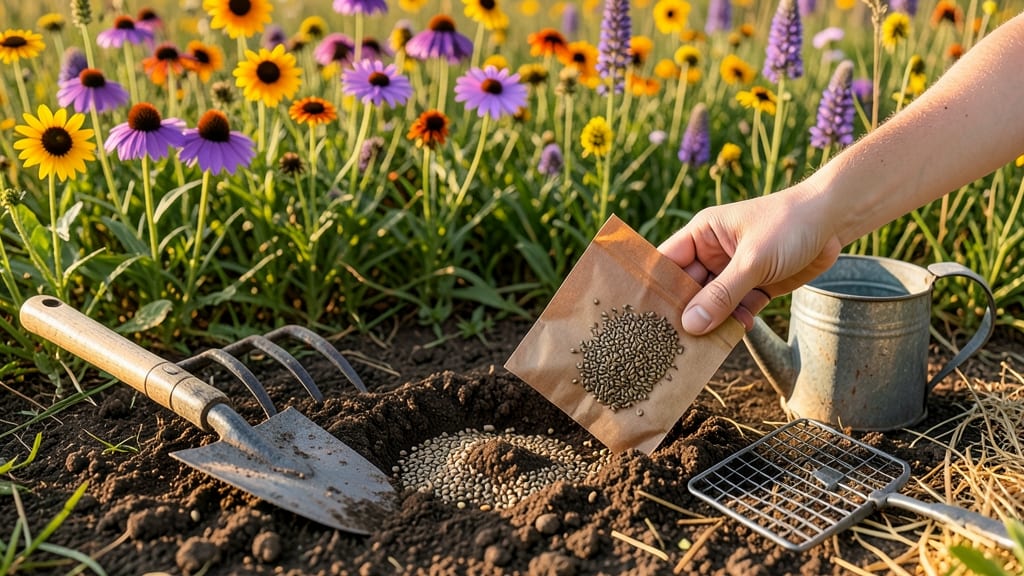
Planting wildflower seeds in Pennsylvania at the right time means the difference between a vibrant meadow and a lost investment—most gardeners miss the 30-day window between last frost and peak soil warmth.
Pennsylvania’s diverse microclimates—from the humid Appalachians to the cooler Lake Erie region—mean wildflower planting deadlines can vary by weeks. Plant too early, and frost will wipe out your blooms; too late, and summer heat may stunt growth.
Here’s the key: In zones 5b–7a, aim for late March to early April for spring planting or September to early October for fall. But your exact deadline depends on whether you’re in Pittsburgh’s urban heat island or the frosty Poconos.
Below, I break down the zone-by-zone schedule, soil prep secrets for PA’s clay-heavy dirt, and how to adjust for rain delays—so you can finally get those 🌼 blooms without the guesswork.
Pennsylvania wildflower planting deadlines by growing Zone (with frost risk maps)
Pennsylvania spans USDA zones 4a through 7a, creating dramatic differences in planting windows. In Erie (Zone 5b), the last frost typically arrives by April 20, while Philadelphia (Zone 7a) sees its final freeze around May 1.
These variations mean your wildflower seeds could face frost in one region but thrive in another. Understanding these microclimates is key to timing your planting for maximum success.
Most Pennsylvania gardeners focus on spring (March–April) or fall (September–October) planting. Spring sowing gives plants a head start, while fall planting leverages cool soil temperatures and reduced weed competition.
However, Zone 4a areas like Scranton need to wait until late May for safe planting, while Zone 7a regions like Pittsburgh’s suburbs can start as early as February for hardy varieties.
Native wildflower mixes like eastern gamagrass or purple coneflower adapt well to Pennsylvania’s climate, but timing matters. For annuals like cosmos, plant seeds 2–3 weeks after your last frost date. Perennials such as black-eyed Susan benefit from fall sowing to establish roots before winter.
Here’s your zone-by-zone planting schedule, including last-frost averages and microclimate adjustments:
| USDA Zone | Last Frost Date (Avg.) | Spring Planting Window | Fall Planting Window | Microclimate Notes |
|---|---|---|---|---|
| 4a (Scranton, Altoona) | May 10 | Late May–June 15 | September 1–15 | Wait for soil to warm; use frost blankets for early spring. |
| 5a (State College, Williamsport) | April 25 | April 15–May 10 | September 15–October 1 | Higher elevations delay planting by 1–2 weeks. |
| 5b (Erie, DuBois) | April 20 | April 1–April 25 | September 10–September 25 | Lake Erie’s cooling effect extends frost risk; monitor local forecasts. |
| 6a (Harrisburg, Lebanon) | April 10 | March 15–April 10 | September 20–October 10 | Urban heat islands may allow earlier planting in cities. |
| 6b (Lancaster, York) | April 5 | March 1–March 25 | September 25–October 15 | Amish Country’s clay soil holds moisture; plant earlier if well-drained. |
| 7a (Philadelphia, Pittsburgh) | April 1 | February 20–March 15 | October 1–October 20 |
Best wildflower seed types for Pennsylvania’s climate (and when to sow them)Pennsylvania’s varied climate—from the cool Appalachians to the warmer Piedmont region—demands smart wildflower seed choices. Cool-season varieties like bluebells thrive in early spring, while warm-season favorites such as black-eyed Susans need summer heat. Your planting timing depends on whether you’re in Zone 5b (northern PA) or Zone 7a (southern PA), where frost-free windows differ by 4-6 weeks. For drought-prone areas common across PA, opt for native perennials like coneflowers and purple prairie clover, which store moisture efficiently. Annuals such as cosmos and sunflowers offer quick color but require more frequent watering. Below, I’ll break down the best seed types for your region and the optimal planting windows to maximize blooms. 🌱 PA Wildflower Planting Guide
If you’re in northern PA (Zones 5b-6a), focus on early-blooming wildflowers like wild columbine and trillium to beat spring frosts. These shade-tolerant plants thrive under deciduous trees and pair well with woodland phlox. For southern PA (Zones 6b-7a), extend your warm-season planting into early June for longer blooming seasons. Pro tip: Mix annuals and perennials for year-round color. For example, sow cosmos (annual) in May alongside coneflower (perennial) in September. This ensures blooms from June through October. Always lightly rake seeds into 1/4-inch of soil—most wildflowers need sunlight to germinate, so avoid burying them deeply. For urban gardens or small spaces, choose low-growing varieties like creeping phlox or wild strawberry. These spread quickly, suppress weeds, and attract pollinators. If deer are a concern (common in state parks), plant milkweed or lobelia, which deer typically avoid. Always water deeply after planting to help seeds establish before PA’s summer droughts hit. Remember: Native wildflowers require zero fertilizer and minimal care once planted. Let them self-seed naturally for low-maintenance meadows. Start small—even a 5x5-foot patch of coneflowers and black-eyed Susans will transform your space into a pollinator paradise in just one season. Happy planting! 🌻 |