
Flowers
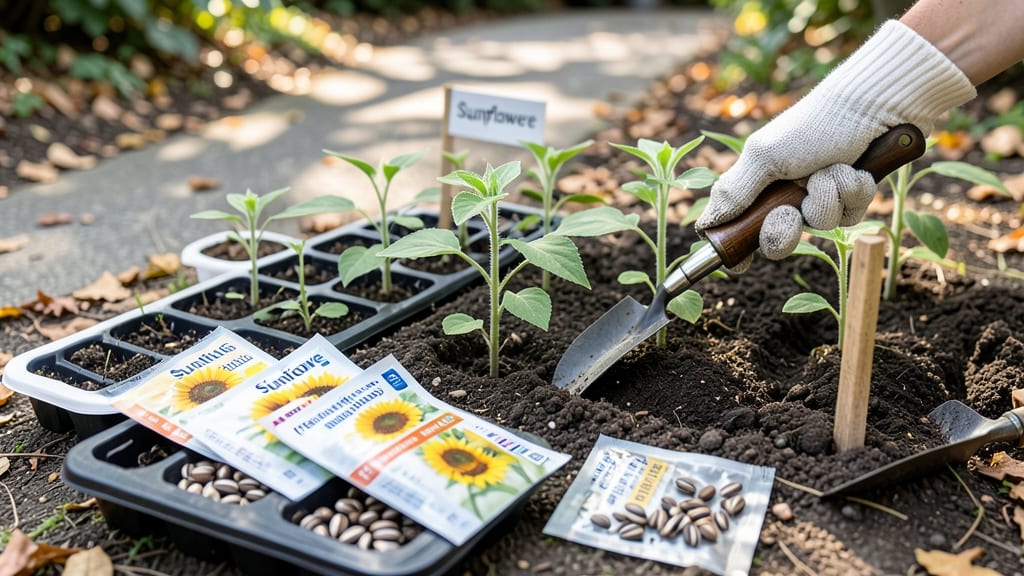
Planting sunflowers in Texas at the right time means the difference between towering 🌻 blooms and sad, stunted stalks—so timing your seeds is the key to a showstopping summer garden.
Sunflowers thrive in Texas heat—but planting them at the wrong time means wilting before they bloom. Whether you’re in North Texas’s cooler hills or South Texas’s sweltering plains, getting the timing right ensures your sunflowers reach their full, sun-drenched potential.
Most Texas gardeners should start seeds in mid-March to early July for spring blooms or late August for a fall display. But soil temperature, frost dates, and even your microclimate play a role—so let’s break down the best planting windows by region.
You’ll learn how to avoid common mistakes, choose heat-tolerant varieties, and stretch your blooming season from summer through frost. Ready to grow sunflowers that turn heads? Let’s get started.
Texas heat zones & best sunflower planting months by region
Texas's diverse climate zones mean sunflowers can bloom from spring to frost, but timing varies dramatically. In USDA Zone 7a (North Texas), you'll face earlier frosts and cooler soils, while Zone 10a (South Texas) offers year-round warmth.
Getting the timing right ensures your sunflowers thrive—not wilt under 100°F+ heat before they even bloom.
Your planting window depends on two critical factors: last frost dates and soil temperature. Sunflower seeds need soil at 50°F or warmer to germinate.
In North Texas (Zone 7a-8a), wait until mid-April after the last frost, while South Texas (Zone 9a-10a) gardeners can plant as early as February—or even fall-plant for winter blooms.
Here’s how to match your Texas region to the perfect planting timeline, including soil prep tips and heat tolerance tricks for each zone.
For Zone 7a gardeners, the 60-day window between frost and summer heat is tight. Start seeds indoor in late March and transplant after April 15 to beat the heat. In Zone 8a, you’ve got flexibility: plant March-April for summer blooms or August-September for fall color.
In Zones 9a-10a, sunflowers can grow year-round, but summer planting requires extra care. Use shade cloth during 100°F+ days and opt for drought-tolerant varieties like 'ProCut' or 'Moulin Rouge'. Fall planting (August-September) often yields hardier blooms that last until frost.
Pro tip: Test your soil before planting—Texas clay can bake hard in summer. Amend with compost or sand to improve drainage. For container gardening, use well-draining mixes and place pots in partial shade during peak heat.
Remember, sunflowers love heat, but they need consistent moisture during germination. Water deeply every 2-3 days until seedlings are 3 inches tall, then taper to once weekly. Mulching with straw or wood chips locks in moisture and keeps roots cool.
If you miss the spring window, don’t worry! Fall planting works in most zones. In Zone 7a, aim for late August; in Zone 10a, you can plant until October. Just choose early-maturing varieties (
Sunflower varieties that thrive in Texas heat (and when to start seeds)
Texas’s intense sun and heat demand sunflower varieties that can handle the 100°F+ temperatures without wilting. The right variety and planting timing ensure bold blooms from summer until frost. Dwarf types work for containers, while giants make dramatic backyard statements—but all need precise seed-starting schedules to beat the heat.
I’ve grown sunflowers across North, Central, and South Texas and found that heat-tolerant varieties like 'Autumn Beauty' and 'Moulin Rouge' outperform standard types. For direct sowing outdoors, timing is critical—plant too early, and seedlings bolt; too late, and blooms arrive after summer’s peak.
Indoor starts give you a 4-6 week head start for fall planting.
🌻 Best Sunflower Varieties for Texas Heat
-
Dwarf Varieties (1-3 ft)
✅ 'Teddy Bear' (60 days) – Heat-resistant, great for containers. Start seeds indoors 6-8 weeks before last frost or direct sow March-April. -
Mid-Size Varieties (3-6 ft)
✅ 'Autumn Beauty' (80 days) – Drought-tolerant, multi-bloom. Direct sow April-May or start indoors March for fall blooms. -
Giant Varieties (10-18 ft)
✅ 'Russian Giant' (120 days) – Needs staking; plant late March-early April for summer blooms. Start indoors February for early giants. -
Heat-Tolerant Picks
✅ 'Moulin Rouge' (75 days) – Deep red blooms; direct sow May-June for fall color. 'ProCut' (55 days) – Cut-flower favorite; sow March or August.
📅 Texas Seed-Starting Timeline
-
Indoor Starts
🌱 February-March: Start dwarf/giant varieties 6-8 weeks before last frost (use grow lights for 12+ hours/day). Transplant outdoors after soil reaches 50°F. -
Direct Sowing
🌱 March-April: Plant dwarf/mid-size varieties after frost risk passes. May-June: Sow heat-tolerant types (e.g., 'Autumn Beauty') for fall blooms. -
Fall Planting
🌱 August-September: Direct sow short-season varieties (e.g., 'ProCut') for October-November blooms before frost.
For North Texas (USDA Zone 7b-8a), aim for March-April sowing to avoid early heat stress. In South Texas (Zone 9a-10a), you can direct sow year-round with consistent moisture, but spring and fall yields are best. Always harden off seedlings for 7-10 days before transplanting to prevent shock.
Pro tip: Use black plastic mulch to raise soil temps and stake giants early—Texas winds can snap stems at 10+ feet tall. Water deeply at the base in the morning to conserve moisture and avoid fungal diseases like powdery mildew, which thrives in Texas humidity.
With the right variety and timing, your sunflowers will reach their full potential, turning your Texas garden into a golden sea of blooms—from summer’s peak to frost’s first whisper. 🌻