
Flowers
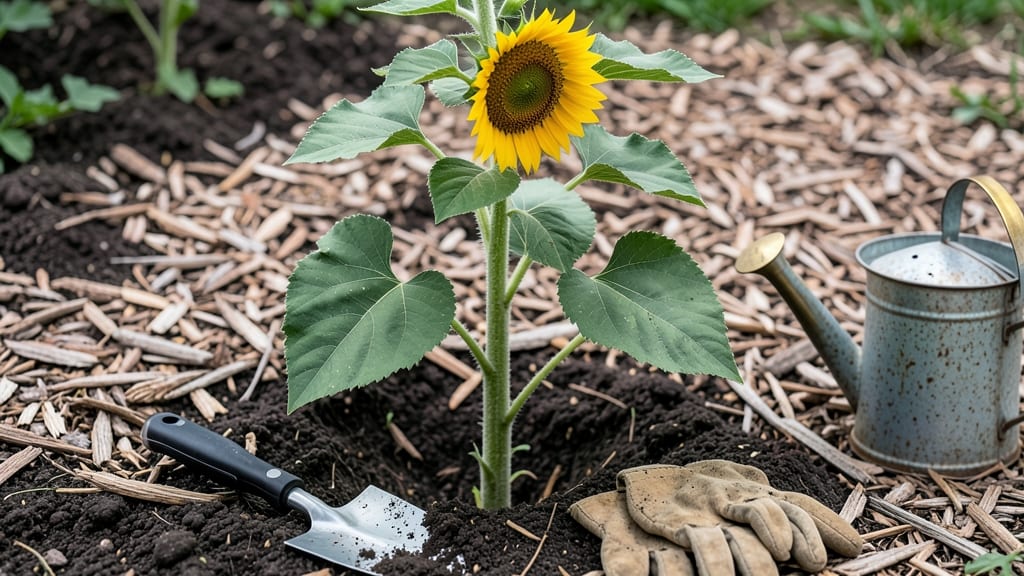
Planting sunflowers ☀️ in San Diego means you can start almost anytime—but timing matters for those bold, towering blooms you’re dreaming of.
Sunflowers thrive in San Diego’s coastal climate, but planting them at the wrong time can mean wilted dreams instead of vibrant, sun-drenched flowers. Whether you’re growing giant varieties or compact teddy bears, the right window ensures strong roots and a longer bloom season.
Unlike regions with frost, San Diego’s year-round growing season gives you flexibility, but heat and coastal fog still play a role. The best times to plant are early spring (February–March) for summer blooms or late summer (August–September) for fall displays—both avoid the hottest months when sunflowers can bolt.
Below, I’ll break down the exact planting schedule for your microclimate, whether you’re in coastal areas with more fog or inland zones with hotter days. Plus, I’ll share pro tips for soil prep, watering, and sunlight to keep your sunflowers reaching for the sky all season.
Best planting times for sunflowers in San Diego’s two distinct zones
San Diego’s unique geography creates two distinct growing zones for sunflowers: the coastal region with its signature fog and mild winters, and the inland areas that experience hotter summers and cooler nights.
These microclimates drastically affect when you should plant sunflowers to maximize their towering growth and vibrant blooms. Understanding these differences helps you avoid heat stress or slow germination from coastal dampness.
The coastal zone (think La Jolla or Pacific Beach) enjoys 60-70°F soil temperatures year-round, while inland areas (like El Cajon or Escondido) can see soil temperatures spike to 80-90°F in summer.
Sunflowers thrive in warm soil (60°F+), so timing matters more in coastal areas where cooler springs delay planting. Inland zones offer a longer growing window but require careful watering during peak heat.
Here’s the key difference: Coastal sunflowers can be planted as early as late January (with protection from chilly nights), while inland sunflowers should wait until mid-February to avoid early heat stress. Both zones benefit from succession planting—sowing seeds every 2-3 weeks—to extend your bloom season from spring through fall.
🌱
For coastal gardens, prioritize dwarf varieties like 'Teddy Bear' or 'Moulin Rouge'—they tolerate cooler temperatures and thrive in partial sun if shaded by coastal fog. These varieties also mature faster (60-70 days), making them ideal for early spring plantings.
In contrast, inland gardens can handle tall varieties like 'Mammoth' or 'Russian Giant,' which need full sun and consistent water to reach their impressive heights.
One of my favorite tricks for coastal sunflowers is using black plastic mulch to warm the soil faster in early spring. This raises soil temperatures by 5-10°F, helping seeds germinate quicker.
Inland gardeners should avoid mulching too early—wait until soil temperatures exceed 70°F to prevent rot. Both zones benefit from well-draining soil amended with compost to retain moisture without waterlogging.
Sunflowers are annuals, so they complete their life cycle in one season. In San Diego, this means planting in fall (September–October) can yield blooms by winter holidays, while spring plantings (March–April) deliver summer-long color.
For continuous blooms, stagger plantings every 3 weeks—this ensures fresh flowers from spring through fall, even in the same microclimate.
Heat tolerance varies by variety: dwarf sunflowers handle coastal breezes better, while giant varieties need staking or cages to support their weight in inland heat.
Always check the days to maturity on seed packets—coastal plantings should use varieties that mature in 60-80 days, while inland plantings can afford slower-growing types (90-120 days) thanks to longer growing seasons.
🌻
How to adjust sunflower planting for San Diego’s unpredictable weather patterns
San Diego’s coastal fog and Santa Ana winds can turn your sunflower dreams into shriveled disappointment if you’re not strategic. The key is timing your succession planting to avoid the worst weather while maximizing bloom potential.
Unlike inland areas, coastal regions often experience delayed warming in spring, while inland zones can hit heat stress faster.
Fast-maturing varieties like ‘Teddy Bear’ (50-60 days) are my go-to for coastal areas, while ‘Moulin Rouge’ (70-80 days) thrives inland. The secret? Plant in late winter (February-March) for coastal zones and early spring (March-April) inland to escape summer’s intensity. This gives you blooms before the June Gloom sets in.
⚠️ callout warning ⚠️
⚠️ San Diego’s Late Rains & Wind Risks ⚠️
Planting sunflowers too early (January) risks soil saturation from late rains, while waiting until May exposes seedlings to Santa Ana winds and heat stress. Coastal areas: Aim for February 15–March 15. Inland: March 1–April 15 is ideal.
Pro Tip: Use black plastic mulch to warm soil faster in coastal zones.
Start with well-draining soil—San Diego’s clay-heavy areas need compost amendments to prevent root rot from winter rains. I mix in aged manure or coco coir to improve aeration. For coastal gardens, add a 1-inch layer of mulch after planting to retain moisture during foggy mornings.
Inland gardens? Skip the mulch—extra moisture can invite powdery mildew in summer’s heat.
Succession planting is your best friend. Sow new seeds every 2 weeks from February to July to stagger blooms. This ensures continuous pollinator activity and extends your harvest window.
For example, plant ‘Autumn Beauty’ in late spring (May) to enjoy fall blooms when temperatures cool. Just avoid planting after July 15—summer’s intensity will stunt growth.
Watch for Santa Ana winds, which can snap stems. Stake tall varieties (like ‘Russian Giant’) with bamboo stakes and tie loosely with soft twine. For coastal areas, choose dwarf varieties (2–4 ft) to avoid wind damage entirely.
And always water deeply in the morning to prevent fungal issues from evening moisture.
With these adjustments, you’ll beat San Diego’s weather quirks and enjoy sunflowers blooming from spring to fall. The payoff? A garden that’s resilient, vibrant, and full of life—no matter what Mother Nature throws your way. ☀️