
Companion Plants
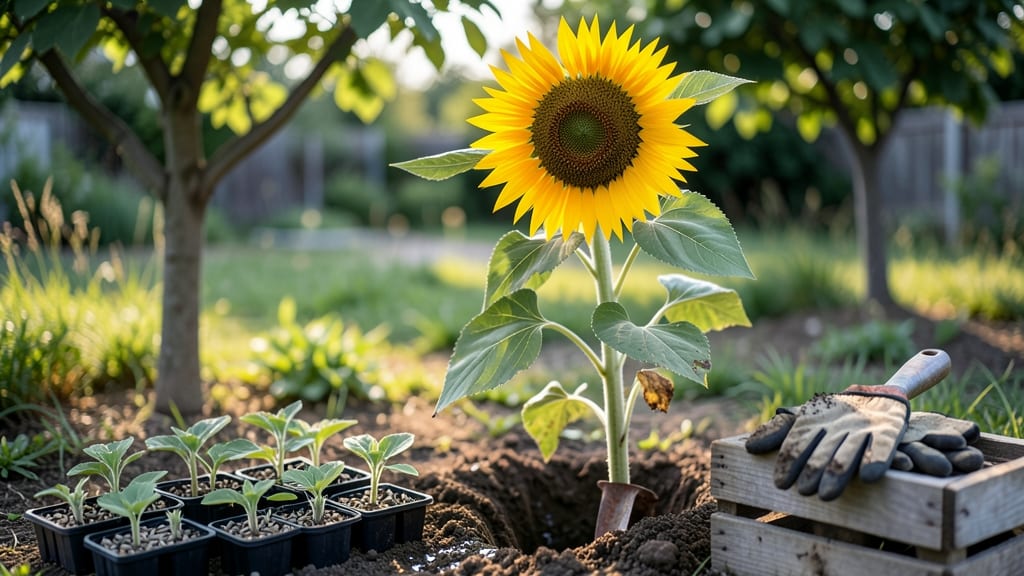
Planting sunflowers in Pennsylvania after your last frost — ideally between mid-April and early June — is the key to those towering 🌻 stalks you’ve always dreamed of.
But here’s the catch: get the timing wrong, and you’ll end up with weak stems, stunted growth, or even no blooms at all. I’ve seen it happen to gardeners who plant too early and get fried by late frosts, or too late and miss the sweet spot for maximum height.
Pennsylvania’s USDA Zones 5-7 mean your exact window depends on where you live, but the rule is simple: wait until the soil is warm and the danger of frost has passed. That’s when your sunflowers will shoot up like they’re in a race to the sky.
Below, I’ll break down the exact planting schedule by region, plus the three mistakes that turn strong sunflowers into floppy sticks. No more guesswork—just bigger, healthier blooms from seed to harvest.
Best sunflower planting timeline in Pennsylvania (by region & variety)
Pennsylvania’s three distinct climate zones mean your sunflower planting window can vary by 4-6 weeks. In the southeast (Zone 6-7), you can start as early as late March, while northwest growers (Zone 5) should wait until mid-May.
The key? Planting after soil reaches 50°F (10°C) and last frost dates have passed.
Sunflowers thrive on full sun (6+ hours daily), but late frosts can devastate young seedlings. Dwarf varieties (like 'Teddy Bear') tolerate cooler temps better than giant varieties (like 'Mammoth'). Let’s break it down by region and variety to ensure maximum bloom potential.
| Region | Last Frost Date | Dwarf Varieties (2-4 ft) | Medium Varieties (4-6 ft) | Giant Varieties (8-14 ft) | Soil Temp Threshold |
|---|---|---|---|---|---|
| Southeast PA (Zone 6-7) | Mid-April | Late March - Early April | Early April - Mid-April | Mid-April - Early May | 50°F (10°C) |
| Central PA (Zone 6) | Late April | Early April - Late April | Late April - Early May | Early May - Mid-May | 50°F (10°C) |
| Northwest PA (Zone 5) | Mid-May | Late April - Early May | Early May - Mid-May | Mid-May - Early June | 55°F (13°C) |
For southeast PA, dwarf varieties like 'Little Becka' can handle cooler soils and should be sown 3-4 weeks before medium or giant types. Giant sunflowers need warmer soil (55°F+) to germinate quickly, so wait until mid-April in the southeast or early May in the northwest.
In central PA, aim for late April to early May planting.
Use black plastic mulch to warm soil faster if you’re pushing the timeline. Giant varieties like 'Russian Giant' benefit from extended growing seasons, so plant them no later than early May to avoid early October frosts cutting blooms short.
Northwest PA’s shorter growing season demands precision. Start dwarf varieties indoors in late March and transplant after last frost (mid-May). Medium varieties should go in by early May, while giant sunflowers need until early June to mature before first frost (mid-October).
Always check soil temperature with a soil thermometer—sunflowers won’t germinate below 50°F (10°C).
If your soil is too cold, delay planting or use row covers to protect seedlings. Overcrowding is another enemy; space dwarf varieties 12 inches apart, medium types 18 inches apart, and giants 24+ inches apart.
Pro tip: Succession plant every 2 weeks in southeast PA for continuous blooms from July to October. In northwest PA, focus on one planting window and choose early-maturing varieties like 'Autumn Beauty' to ensure flowers before frost.
Watch for late frosts—even after last frost dates. If nights dip below 32°F (0°C), cover young plants with frost cloth or row covers. Giant sunflowers are especially vulnerable; their tall, thin stems can snap in wind or freeze if stressed.
Remember: Sunflowers love heat, but they hate soggy soil. Amend your garden with compost for well-draining soil, and avoid planting in low-lying areas where frost lingers. With the right timing, your sunflowers will reach their full potential—some even <
3 Critical mistakes that weaken sunflower stems (and how to fix them)
Sunflowers are known for their towering beauty, but weak stems can turn your dreamy blooms into floppy disappointments. The good news? Most stem issues stem from simple planting mistakes you can easily avoid.
I’ve seen overcrowded seedlings, underwatered roots, and poor soil prep all lead to flimsy stems that snap in the wind. Let’s fix that with proven strategies.
First, let’s talk about planting depth. Many gardeners bury sunflower seeds too deep, which suffocates the sprouts. The ideal depth is just 1 inch below soil level. If you plant deeper, the seedling struggles to break through, leading to weak stems from the start.
I once planted seeds 2 inches deep and ended up with stems so thin they couldn’t support the blooms—a rookie mistake I won’t repeat!
Second, overcrowding is a silent stem killer. Sunflowers need space to grow strong, not compete for nutrients. Space dwarf varieties 12 inches apart, medium types 18 inches apart, and giant varieties 24+ inches apart.
When plants are too close, they lean toward the sun, creating weak, spindly stems that can’t stand upright. I’ve seen entire rows of sunflowers topple over because they were planted too tightly together.
Third, poor soil preparation sets your sunflowers up for failure. Sunflowers thrive in well-draining soil with a pH between 6.0 and 7.5. If your soil is heavy clay or sandy, amend it with compost or aged manure before planting.
I once grew sunflowers in unamended clay soil, and the stems were so weak they couldn’t support the blooms—a lesson in soil prep that saved me from future heartbreak.
- Planting too deep (buries sprouts, stunts growth)
- Overcrowding (competition weakens stems)
- Poor soil (nutrient-deficient or waterlogged)
To strengthen stems naturally, try companion planting. Tall sunflowers benefit from wind-resistant neighbors like cosmos or marigolds, which act as living windbreaks. I planted cosmos alongside my sunflowers last year, and the stems stayed upright even in PA’s gusty winds.
Another trick? Stake tall varieties early—use bamboo stakes or plant near a fence for support.
Finally, watering habits play a huge role. Sunflowers need 1-2 inches of water weekly, but inconsistent watering leads to weak stems. I’ve seen plants with hollow stems because they were underwatered during droughts.
Mulch around the base to retain moisture and keep roots cool. With these fixes, your sunflowers will grow tall, proud, and wind-resistant all season long.
Strong stems start with smart planting. Avoid these mistakes, and you’ll enjoy sunflowers that reach for the sky—not flop to the ground. Happy growing! 🌻