
Flowers
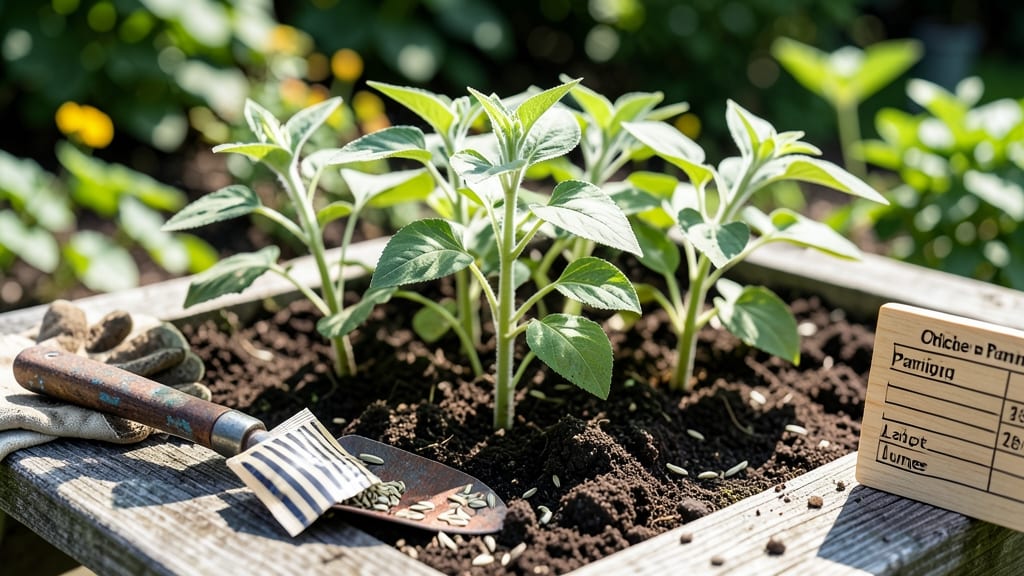
Planting sunflowers in Ohio after the last frost date — around mid-April — sets the stage for towering blooms that thrive in the state’s 6a-6b climate.
Ohio’s unpredictable spring weather can leave gardeners guessing about the perfect time to plant sunflowers—get it wrong, and you risk stunted growth or early frost damage.
But with the right frost-date strategy, you can ensure sunflower varieties from dwarf to giant types reach their full height by summer, attracting pollinators and adding vibrant color to your garden.
Below, I break down Ohio’s frost zones, the best planting windows for direct sowing, and how to adjust for late frosts or heatwaves to guarantee the best blooms all season.
Ohio sunflower planting dates by frost Zone: exact timing for Ohio’s climate
Ohio’s USDA Zones 5-6 create a unique challenge for sunflower growers, where last frost dates can vary by 2-3 weeks across the state. Unlike heat-loving annuals, sunflowers thrive when planted after soil warms to 50°F (10°C), but timing depends on your local microclimate.
In northern Ohio (Zone 5), you’ll need to wait longer than in southern Ohio (Zone 6), where earlier springs allow mid-April planting for giant varieties.
For Columbus (Zone 6a), the average last frost date falls around April 15, giving you a 165-day growing season—perfect for tall sunflowers like ‘Mammoth’ that need 90-120 days to maturity.
Meanwhile, Cleveland (Zone 5b) holds onto frost until May 1, delaying ideal planting until mid-May unless you use row covers for early starts.
Here’s the key: Dwarf varieties (like ‘Teddy Bear’) tolerate cooler soils and can be planted 2-3 weeks earlier than giants. Wild sunflowers, often found in Ohio’s prairie regions, are even more resilient—they’ll self-seed if planted in late April and survive light frosts.
The trick is matching your sunflower type to your local frost window.
🌱
If you’re in Zone 5 and eager to plant early, try starter plants in biodegradable pots—they’ll establish faster than seeds. For Zone 6 gardeners, late April is ideal for direct sowing giant sunflowers, while dwarf varieties can handle early April planting if you protect them with frost cloth.
Pro tip: Test your soil temperature with a soil thermometer—sunflowers won’t germinate below 50°F (10°C). In Cleveland’s cooler microclimates, wait until the soil reaches 55°F (13°C) for reliable germination. Southern Ohio’s warmer microclimates (like Cincinnati’s urban heat islands) may allow 3-4 weeks earlier planting.
For late plantings, choose fast-maturing varieties like ‘ProCut’ (50 days) or ‘Teddy Bear’ (60 days). These can be sown as late as June 15 in Zone 6 and still produce harvestable blooms before frost.
Just be prepared for shorter stems—sunflowers planted after July 1 rarely reach their full height potential.
🌿
Ohio’s first frost typically arrives around October 15, but mountainous regions (like Appalachian foothills) can see frost 2 weeks earlier. To maximize your sunflower season, start seeds indoors in late March and transplant after last frost.
For direct sowing, mark your calendar for 2 weeks after your average last frost date—this gives seedlings time to harden off before summer heat arrives.
💧
Remember: Sunflowers are forgiving but not frost-proof. Seedlings can handle light frosts (down to 28°F/-2°C), but established plants may bolt prematurely if stressed. In Cleveland’s Zone 5, I’ve had success with row covers extended over seedlings until May 15, buying an extra 2-3 weeks of
How to adjust sunflower planting for Ohio’s unpredictable weather patterns
Ohio’s spring weather can be as unpredictable as a sunflower’s growth rate—one day warm enough to plant, the next a surprise frost. To beat these fluctuations, I’ve learned to use soil warming techniques and protective covers to extend the growing season safely.
These adjustments help my sunflowers thrive even when Mother Nature throws curveballs.
Start by testing soil temperature with a reliable thermometer—sunflowers need soil at least 50°F (10°C) to germinate properly. If your soil is still chilly after the last frost date, try black plastic mulch or straw blankets to warm it up faster.
This simple trick can shave weeks off your waiting game and get those seeds sprouting sooner.
⚠️ callout-warning ⚠️
Use a frost prediction app or check local weather alerts for real-time updates. If frost is forecasted within 2 weeks of planting, cover seedlings with frost cloth at night. Sunflowers can handle light frosts, but young seedlings are vulnerable—protection is key.
For extra safety, plant dwarf varieties first in early April—they mature faster and can handle cooler temps better than giant types.
When transplanting sunflower seedlings—whether from your garden or a nursery—prevent shock by hardening them off for 7-10 days before moving them outdoors. Harden off by placing them in a shady, sheltered spot during the day and bringing them inside at night.
This gradual adjustment helps them adapt to Ohio’s fluctuating temperatures and wind.
For late spring or early summer plantings, use row covers to shield young plants from heatwaves or unexpected cold snaps. These lightweight fabrics allow sunlight and water to pass through while protecting delicate foliage.
Remove covers during the day if temperatures exceed 85°F (29°C) to avoid overheating—sunflowers wilt easily in extreme heat.
If you’re planting in June or later, choose fast-maturing varieties like ‘Autumn Beauty’ or ‘Teddy Bear’—they can still produce blooms before Ohio’s first frost in mid-October. Pair them with drought-tolerant companions like marigolds to reduce watering stress during summer dry spells.
Finally, keep an eye on the moisture levels**—Ohio’s summer heat can dry out soil quickly. Water deeply once a week (or more during droughts) to encourage strong root growth.
Mulch around the base with straw to retain moisture and regulate soil temperature, giving your sunflowers the best chance to reach their full, towering potential.