
Flowers
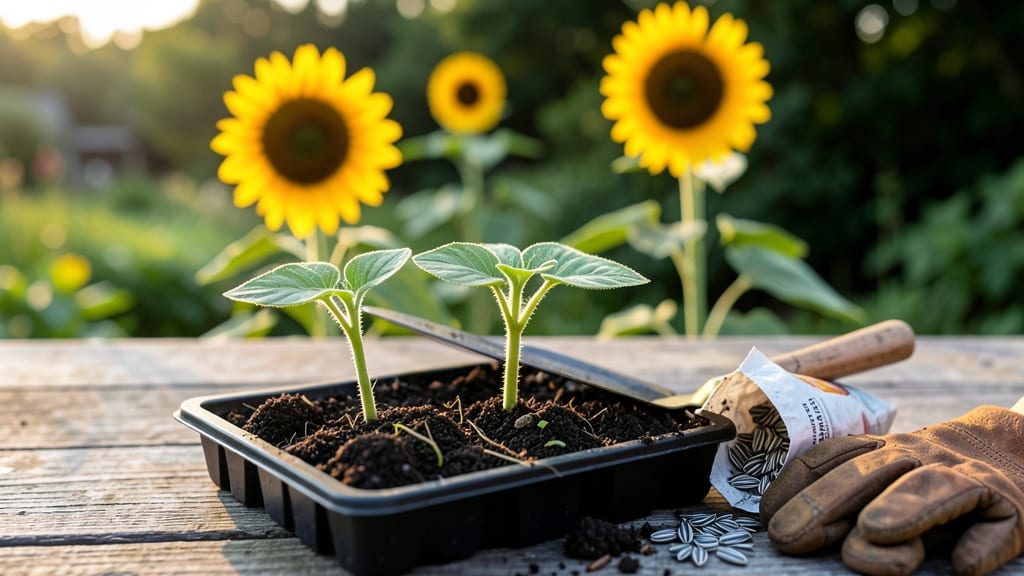
To plant sunflowers in Maryland, aim for mid-April to early June when soil temperatures rise above 55°F—the perfect window for strong, healthy growth before summer’s heat sets in.
If you’ve ever watched a sunflower 🌻 bolt up overnight only to wilt under a late frost, you know timing is everything. Maryland’s USDA Zone 5b demands precision: plant too early, and frost zaps your seedlings; too late, and you miss the 120-day window before the first frost.
This guide cuts through the guesswork with exact dates, soil prep tricks, and frost-proofing tips tailored to Maryland’s climate. Whether you’re growing dwarf varieties for containers or giant sunflowers as a backyard centerpiece, we’ll help you maximize blooms from late July to October.
Discover how to stretch your season with row covers, pick the fastest-maturing varieties for your zone, and avoid the three biggest mistakes Maryland gardeners make—so your sunflowers reach their full, towering potential.
Maryland sunflower planting calendar: exact dates for zone 5b success
Maryland’s USDA Zone 5b offers a short but sweet growing season for sunflowers, where timing is everything. Plant too early, and frost will nip tender seedlings. Wait too long, and you’ll miss the 100-day bloom window before first frost.
The key? Align your planting with Maryland’s average last frost date—typically April 15—while accounting for soil warmth and variety maturity.
Sunflowers are fast growers, but they need consistent warmth to germinate. Soil temperatures should reach at least 55°F (13°C) for reliable sprouting. In Maryland’s cooler spring, this often means waiting until mid-to-late April for direct sowing, or starting seeds indoors 4-6 weeks earlier if you’re eager for blooms.
Here’s your Maryland sunflower planting calendar, broken down by phase to maximize success:
| Planting Window | Soil Temp | Frost Risk | Ideal Varieties | Action |
|---|---|---|---|---|
| Late March (Indoors) | 60-65°F (16-18°C) | High (frost likely) | Dwarf ('Teddy Bear') | Start seeds 4-6 weeks before last frost |
| Mid-April (Outdoors) | 55°F+ (13°C+) | Moderate (watch forecasts) | Early bloomers ('Autumn Beauty') | Direct sow after last frost |
| May-June (Outdoors) | 60°F+ (16°C+) | Low (safe zone) | Standard ('Russian Giant') | Sow for late-summer blooms |
| Late June (Fall Option) | 65°F+ (18°C+) | High (frost risk by Oct) | Fast-maturing ('Moulin Rouge') | Sow for harvest before frost |
For spring planting, aim to sow seeds 2-3 weeks after Maryland’s last frost date (April 15). Early varieties like 'Autumn Beauty' (55-60 days to maturity) can handle slight cool snaps, while 'Russian Giant' (110+ days) needs the full season.
Pro tip: Use a soil thermometer—if temps dip below 55°F, germination slows dramatically.
Fall planting is riskier but possible with fast-maturing varieties. Sow late June to early July for blooms before Maryland’s first frost (October 15). Choose varieties like 'Moulin Rouge' (60 days to maturity) and plant in full sun spots with well-draining soil to avoid waterlogged roots as temperatures drop.
Adjust your timeline based on microclimates. Urban areas like Baltimore may experience 2-3°F warmer soil temps than rural zones, while higher elevations (e.g., Western Maryland) could face 1-2 weeks later last frost dates. Check local Maryland Department of Agriculture frost maps for precision.
If you’re planting multiple varieties, stagger sowings every 2 weeks from mid-April to early June. This extends your bloom season from July through October, ensuring continuous color.
For example, start 'Teddy Bear' (dwarf) in late March indoors, followed by 'Autumn Beauty' outdoors in April, and 'Russian Giant' in late May.
Remember: Sunflowers are not frost-tolerant at any growth stage. Even young seedlings can’t survive below 32°F (0°C). Use row covers if late frosts threaten after planting, or opt for cold-hardy varieties like 'ProCut' if you’re pushing the season’s edges.
For maximum height and bloom size, ensure your sunflowers have 6-8 hours of direct sunlight daily. In Maryland’s partial shade (e.g., under trees), plants may grow 30% shorter and produce fewer blooms. Amend soil with compost before planting to improve drainage—sunflowers hate soggy roots.
Track your progress with a planting journal. Note soil temps, frost dates, and variety performance each year
How to extend your sunflower season: tips for frost-prone Maryland gardens
Maryland’s unpredictable frost dates can cut your sunflower season short—but with the right strategies, you can enjoy those towering blooms for weeks longer. Late frosts in USDA Zone 5b often strike between April 15 and May 15, so timing and protection are everything.
The key is combining staggered planting, cold-hardy varieties, and temporary frost barriers to shield tender seedlings.
Start by choosing sunflower varieties with shorter maturity times, like ‘Autumn Beauty’ (56 days) or ‘Moulin Rouge’ (60 days). These finish blooming before Maryland’s first frost in mid-October.
Pair them with later plantings of ‘Russian Giant’ (90+ days) for extended harvests. The trick is spacing out sowing by 2-3 weeks to create a continuous display.
⚠️ callout warning
⚠️ Critical Frost Alert for Maryland Sunflowers
Never plant sunflowers before your average last frost date (typically April 15 in Zone 5b). Seedlings can’t tolerate temps below 50°F (10°C), and even mature plants may suffer if frosted. Use local frost forecasts (like The Old Farmer’s Almanac) to adjust planting dates 2-3 weeks earlier if early frosts are predicted.
For extra protection, use floating row covers or lightweight fabric tunnels over young plants until they reach 12 inches tall. These create a 5-10°F buffer and can be removed during the day for sunlight.
In urban areas, microclimates near buildings or pavement may stay 3-5°F warmer than rural fields—ideal spots for early plantings.
Another smart tactic is to pre-sprout seeds indoors 5-7 days before the last frost, then transplant hardened-off seedlings. This gives them a 2-week head start against late frosts. Harden off seedlings by placing them outdoors for 2-3 hours daily in a sheltered spot, gradually increasing exposure.
If frost strikes after planting, don’t panic. Sunflowers are highly resilient—even mature plants can recover from light frosts if the seed head isn’t damaged.
For severe cold (28°F/-2°C), cover plants with burlap sacks or cardboard boxes to insulate them. Remove covers by 10 AM to prevent overheating.
Finally, monitor soil temperatures with a thermometer—sunflowers germinate best in soil above 60°F (15°C). In cooler Maryland springs, use black plastic mulch to warm the soil 2-3°F faster than bare earth. Combine these strategies, and you’ll enjoy sunflowers from July through October—or even into November with late varieties!