
Flowers
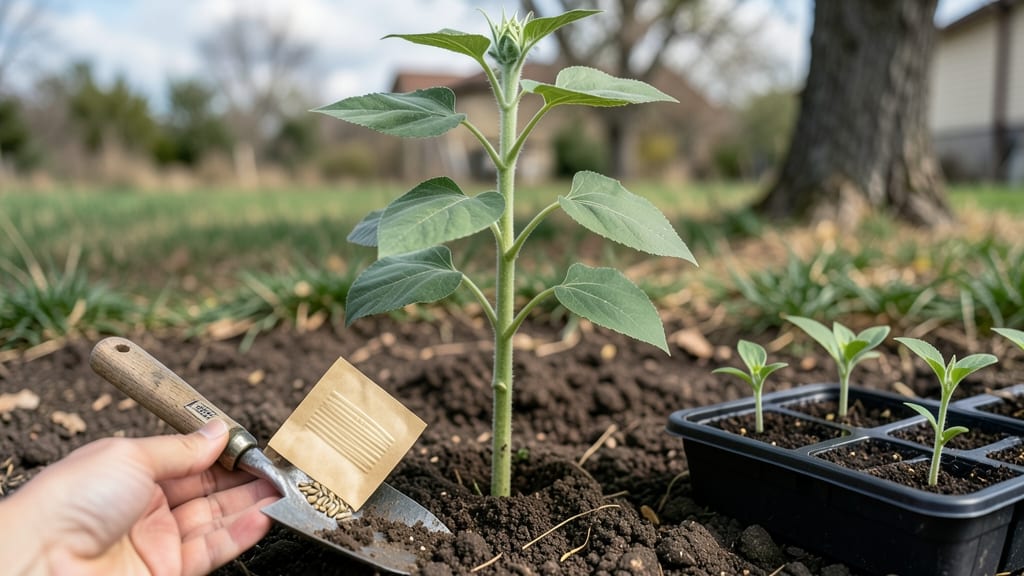
Planting sunflowers in Iowa after the last frost — typically around mid-April — ensures those towering 🌻 stalks reach their full height potential.
Picture this: you’ve waited all winter for your garden to wake up, only to rush out in May and realize your sunflowers are already struggling in the heat. That’s why knowing the exact frost-free window matters — it’s the difference between 12-foot giants and stunted blooms.
Iowa’s USDA zones 5a-6b give you a three-month window to plant, but not all varieties thrive in the same timing. Dwarf types need a quick start, while giant sunflowers demand cooler soil and longer daylight to grow straight and strong.
Below, I’ll break down the best planting months for each variety, how to adjust for Iowa’s unpredictable weather, and which sunflowers perform best in your backyard — so you can enjoy those golden blooms from July through October.
Iowa’s sunflower planting timeline by frost dates and variety height
Timing your sunflower planting in Iowa depends on two key factors: your last frost date and the mature height of the variety you choose. Northern Iowa’s USDA Zone 4 has later frost dates than southern Iowa’s Zone 5b, which means your planting window shifts by weeks.
For dwarf varieties (3-4 ft), you have more flexibility, while giant sunflowers (10+ ft) need early starts to reach their full potential before fall frosts.
Most of Iowa experiences its average last frost between April 15 and May 1, but this can vary by 1-2 weeks depending on the year.
For giant sunflowers, aim to plant 4-6 weeks before your last frost—typically mid-April in southern Iowa and late April in northern Iowa. Dwarf varieties can tolerate slightly later plantings, even up to mid-May, as they mature faster.
Here’s how to align your planting with Iowa’s frost-free timeline and sunflower variety heights for maximum growth and bloom success:
| Variety Height | USDA Zone 4 (Northern IA) | USDA Zone 5b (Southern IA) | Ideal Planting Window | Notes |
|---|---|---|---|---|
| Dwarf (2-4 ft) | Late April - Early May | Mid-April - Mid-May | After soil reaches 55°F | Fast-growing; tolerate cooler temps |
| Semi-Dwarf (4-8 ft) | Early April - Late April | Mid-March - Early April | 4-6 weeks before last frost | Need consistent warmth for full height |
| Standard (8-12 ft) | Mid-March - Early April | Late February - Mid-March | Soil temp 60°F+ | Start indoors if frost risk persists |
| Giant (10-16 ft) | Late February - Early March | Early February - Late February | Indoor start or row cover | Longest growing season needed |
🌱 Pro Tip: Use a soil thermometer to confirm 55°F+ before planting—cold soil delays germination.
For northern Iowa gardeners in Zone 4, the earliest planting window opens in late February for giant varieties, but most seeds won’t germinate until soil warms.
I recommend starting dwarf or semi-dwarf sunflowers in late April to avoid frost damage while still giving them enough time to mature before October’s first frost.
Southern Iowa’s Zone 5b offers a 2-3 week earlier start, letting you plant giant sunflowers as early as late February if you use row covers or a greenhouse.
This head start is critical for varieties like ‘Moulin Rouge’, which can reach 14+ feet but needs 120+ frost-free days to fully mature.
If you miss the ideal window, don’t panic—late plantings in June can still yield smaller but viable sunflowers, especially for dwarf varieties. Just space them closer together (12 inches apart) to compensate for the shorter growing season.
For giant sunflowers, though, late plantings rarely reach their full height potential.
To extend your growing season, consider succession planting: sow dwarf varieties every 2 weeks from April to June for continuous blooms. This works especially well in southern Iowa, where the frost-free season is longer.
Pair early plantings with tall varieties and late plantings with dwarf types for a year-round sunflower display.
One common mistake I see is planting giant sunflowers too late—they need at least 100 days to mature, and Iowa’s first frost in October cuts that short.
For maximum height, align your planting with local frost data from the Iowa State University Extension or use a frost calendar app to track real-time conditions.
Finally, remember that soil temperature matters more than air temperature. Even if daytime highs reach 70°F, if your soil is still below 55°F, seeds won’t sprout.
Use a clear plastic mulch to warm the soil faster, especially in northern Iowa’s cooler springs. This simple trick can shave 1-2 weeks off your planting timeline.
How to adjust sunflower planting for Iowa’s unpredictable weather patterns
Iowa’s weather can throw a curveball—late springs, sudden heatwaves, and early frosts all threaten your sunflowers’ growth. The key to towering sunflowers lies in flexible planting strategies that account for these variables. Start by monitoring soil temperatures and local frost forecasts, which can shift planting windows by weeks.
For giant sunflower varieties like ‘Moulin Rouge’, aim for mid-May planting when soil reaches 55°F+. But if frost lingers, opt for dwarf varieties like ‘Teddy Bear’, which tolerate cooler soils and shorter seasons. These adjustments can mean the difference between 12-foot giants and stunted 4-foot stems.
⚠️ callout warning ⚠️
⚠️ Iowa’s Frost Risk
Iowa’s last frost date averages April 15, but it can hit May 10 in northern zones. Planting too early risks frost damage—wait until soil warms to 55°F (use a soil thermometer) or risk slow germination and weak stems. For backup protection, cover seedlings with frost cloth if late frosts strike after planting.
🌱 Pro Tip: Test soil moisture too—dry soils delay germination even if temperatures are ideal.
Adjust seed depth based on moisture: in dry soil, plant 1.5 inches deep for moisture retention; in damp soil, 1 inch deep prevents rot. Space seeds 6 inches apart, then thin to 12–24 inches once sprouts appear.
This spacing ensures strong stems and better air circulation, reducing fungal risks during Iowa’s humid summers.
For late-season planting, choose fast-maturing varieties like ‘Autumn Beauty’ (60–70 days to bloom). Sow these in early July to avoid early frosts—just ensure they receive full sun and consistent water during their abbreviated growing window. Mulch with straw to retain moisture and regulate soil temps.
If heatwaves hit, water deeply in the morning to combat wilting. Sunflowers are drought-tolerant once established, but young plants need 1 inch of water weekly. Use drip irrigation to avoid wetting foliage, which attracts powdery mildew—a common Iowa issue during humid summers.
For backup plans, save seeds from your healthiest sunflowers. Store them in a cool, dry place and replant the following spring if weather disrupts your original schedule. This ensures you’re always ready to maximize height and yield, no matter what Iowa’s weather throws your way. 🌻