
Flowers
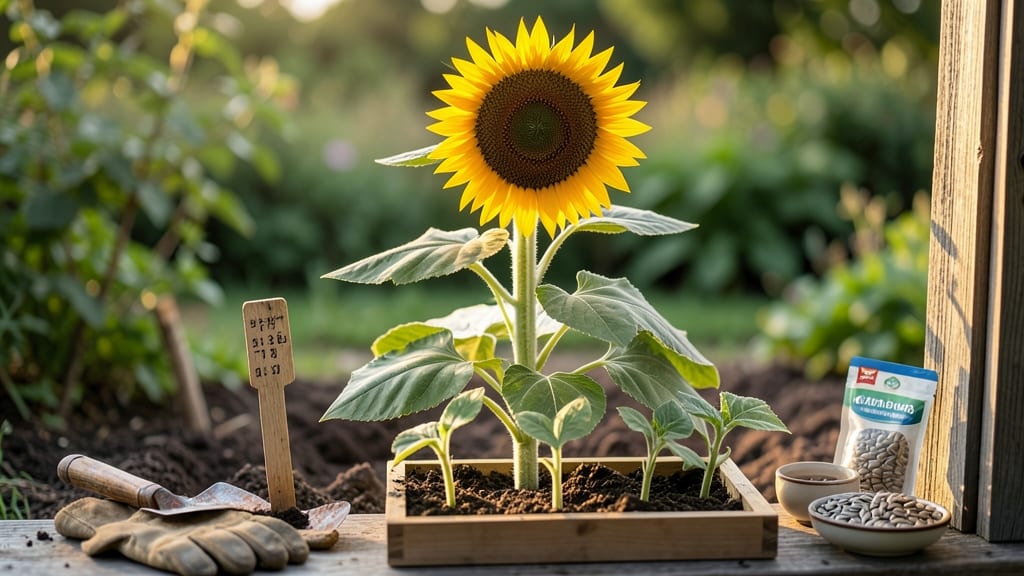
To plant sunflowers in Arkansas at the right time means waiting until the soil warms to at least 50°F—not the calendar date.
Sunflowers 🌻 thrive in Arkansas’ warm climate—but planting them at the wrong time can leave you with weak stems or delayed blooms. Timing isn’t just about the calendar; it’s about soil temperature, regional microclimates, and sunflower varieties that guarantee vibrant, towering blooms.
In USDA Zones 7a-8b, that window typically opens in mid-April for most of the state, but southern Arkansas can start as early as late February. The key is testing soil temperature with a simple thermometer—cold soil slows germination, and you’ll end up with uneven growth or worse.
Below, I break down the exact soil temp triggers, how to adjust for Arkansas’ humidity, and which sunflower varieties handle the heat best—so you get fast germination and blooms that reach their full potential.
Arkansas sunflower planting dates by soil temperature (not calendar months)
Sunflowers in Arkansas don’t follow a one-size-fits-all planting schedule. Instead, they thrive when the soil temperature hits 50–60°F—a critical threshold for fast germination.
In northern Arkansas (USDA Zone 7a), this typically means waiting until late March to May, while southern Arkansas (Zone 8a–8b) can start as early as February. Ignoring soil temp and planting too soon risks weak seedlings or frost damage.
Why focus on soil temperature? Sunflower seeds won’t germinate below 50°F, even if the air feels warm. A soil thermometer (just $10 at garden centers) is your best tool—insert it 2 inches deep in the morning for the most accurate reading.
Pro tip: Black plastic mulch can warm soil by 5–10°F, letting you plant earlier in cooler zones.
Here’s the Arkansas-specific breakdown of when to plant sunflowers based on soil temperature and region:
| Region | USDA Zone | Soil Temp Threshold | Planting Window | Key Varieties |
|---|---|---|---|---|
| Northern Arkansas | 7a | 50–55°F | Late March–May | ‘Autumn Beauty,’ ‘Moulin Rouge’ |
| Central Arkansas | 7b–8a | 55–60°F | February–April | ‘ProCut,’ ‘Teddy Bear’ |
| Southern Arkansas | 8a–8b | 60°F+ | January–March | ‘Russian Giant,’ ‘Sunspot’ |
🌱 Note: Adjust for microclimates—valleys stay cooler longer, while south-facing slopes warm faster.
If you’re in Zone 7a and your soil hits 50°F in early April, don’t wait—sunflowers germinate in 7–14 days when conditions are ideal. For southern Arkansas gardeners, planting in January (with row covers) can give you early blooms by June.
Just monitor for late frosts, which can still dip into the 20s°F in March.
For staggered harvests, plant every 2 weeks from February to May. This ensures continuous blooms from June through October, even in Arkansas’ short growing season. Dwarf varieties (like ‘Teddy Bear’) are perfect for late plantings in June—they mature faster and avoid heat stress.
Testing soil temperature is easier than you think. On a mild morning, insert the thermometer 2 inches deep in bare soil (not under mulch). Wait 5 minutes for an accurate reading.
If it’s below 50°F, wait 3–5 days and retest—soil warms faster than air, especially after sunny days. Black plastic mulch can shave off 1–2 weeks of waiting time.
One common mistake? Planting sunflowers too deep. Seeds need light to germinate, so plant them only 1 inch deep. Press them lightly into the soil and cover with fine compost to retain moisture.
In Arkansas’s clay-heavy soils, mix in sand or compost to improve drainage—sunflowers hate soggy roots.
For container gardening, use pots at least 12 inches deep and fill them with well-draining potting mix. Place containers in full sun and keep soil temps consistent by moving them to sheltered spots if nighttime temps drop below 45°F.
Container-grown sunflowers often bolt faster in Arkansas’s heat, so start them 2 weeks later than in-ground plantings.
Remember: Soil temperature > calendar dates. Even if your neighbor plants in February, their cold, wet soil might delay germination for 3+ weeks. Use a soil thermometer, watch for consistent 50°F+ readings, and adjust your schedule.
With the right timing, you’ll have towering sunflowers reaching 10+ feet by summer—just in time for Arkansas’s humid, sunny afternoons. 🌻
Best sunflower varieties for Arkansas’s heat and humidity (with planting adjustments)
Arkansas’s humid heat and long summers demand sunflower varieties that thrive under these conditions. ‘Moulin Rouge’ stands out with its deep red petals and drought tolerance, while ‘Autumn Beauty’ offers a color-changing display from yellow to rust.
These varieties handle Arkansas’s 90°F+ temperatures better than standard types, which often wilt or develop fungal issues.
Humidity in Arkansas can cause powdery mildew or stem rot in sunflowers, so choosing the right variety is critical. ‘Russian Giant’ is another top pick for its heat resistance and towering height, but it requires sturdier stakes in windy areas.
For shorter seasons, ‘Teddy Bear’ (dwarf variety) blooms faster and resists humidity-related stress better than tall types.
Planting adjustments are key to success. In northern Arkansas (USDA Zone 7a), start seeds indoors by late March and transplant after the last frost (mid-April). In southern Arkansas (Zone 8b), you can direct-sow in February for earlier blooms.
Staggered plantings every 2-3 weeks extend the blooming season from July to October.
🌻
When to Plant Sunflowers in Arkansas
- 🌱 Early March sowing (indoors)
- 🌡️ Soil temp ≥50°F for germination
- ☀️ Full sun (6+ hours daily)
- 💧 Deep watering at base
- ❄️ Frost risk before mid-April
- 🌧️ Humidity promotes mildew
- 🌬️ Wind may need staking
- 🐇 Deer may browse seedlings
- 🌻 Moulin Rouge – Heat-tolerant, deep red
- 🌻 Autumn Beauty – Color-changing, long bloom
- 🌻 Russian Giant – Tall, sturdy, needs stakes
- 🌻 Teddy Bear – Dwarf, fast-blooming
Arkansas’s high humidity can stunt growth if not managed properly. To combat this, mulch heavily with straw or pine needles to retain moisture without suffocating roots. Avoid overhead watering, which spreads fungal spores. Instead, water at the base in the early morning to let foliage dry quickly.
For a continuous display, plant ‘Autumn Beauty’ in March and ‘Moulin Rouge’ in April. This two-phase planting ensures blooms from late July through October, even in Arkansas’s shortened fall.
Pair taller varieties like ‘Russian Giant’ with shorter types like ‘Teddy Bear’ for a layered look that maximizes space.
🌿