
Flowers
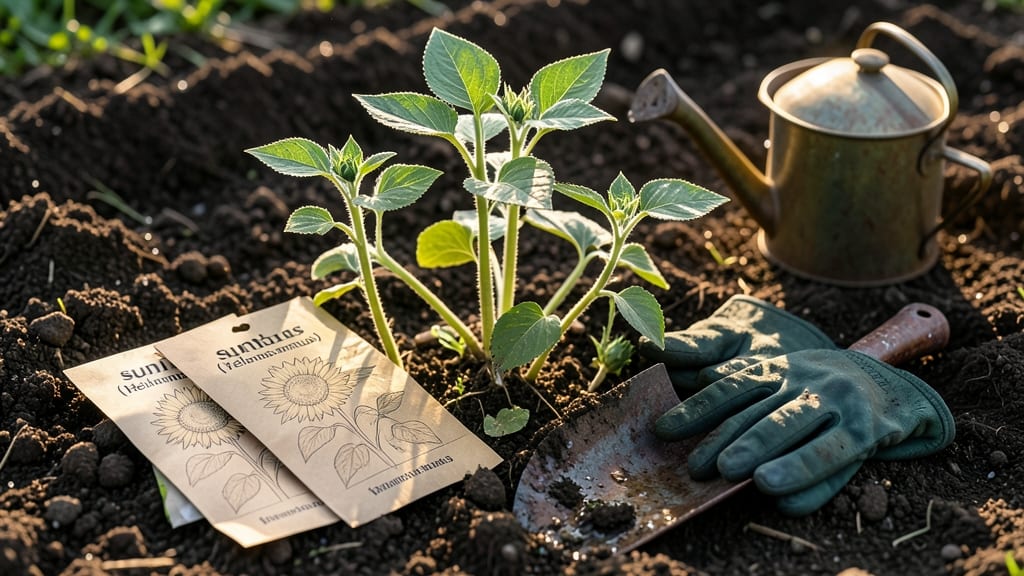
To plant sunflowers in Arizona, aim for late October through March when cooler temperatures allow strong root establishment before summer heat arrives 🌻.
Sunflowers thrive under Arizona’s intense sun, but planting them at the wrong time can leave you with wilted dreams instead of towering blooms. Timing is everything—especially when USDA Zones 6b through 10a offer dramatically different growing windows.
In Phoenix (Zone 10a), for example, the ideal window is October through February, while Flagstaff (Zone 6b) gardeners can start as early as mid-September. The key is avoiding the brutal summer heat, which can stress young plants and lead to bolting—or worse, no blooms at all.
Below, I’ll break down the best months by microclimate, soil prep tips to beat Arizona’s drought, and heat-tolerant varieties that actually perform. No more guessing—just sunflower success from seed to towering bloom.
Best planting months for sunflowers in Arizona by USDA Zone
Arizona’s diverse USDA Zones 6b through 10a create unique challenges and opportunities for growing sunflowers (🌻). While Phoenix basks in Zone 10a’s year-round warmth, Flagstaff’s Zone 6b experiences frost risks. Understanding these zones helps you choose the perfect planting window for healthy, vibrant blooms.
The key to success lies in avoiding Arizona’s extreme summer heat (above 95°F) and leveraging cooler seasons. Most gardeners plant sunflowers in fall or early spring, but the exact timing shifts dramatically across zones.
For example, Zone 10a’s mild winters allow year-round planting, while Zone 6b requires late spring starts after frost danger passes.
| USDA Zone | Best Planting Window | Soil Temp Threshold | Frost Risk | Bloom Period |
|---|---|---|---|---|
| 6b (Flagstaff) | Late April-May | Above 50°F | High (last frost: May 15) | July-August |
| 7a (Prescott) | March-April or September | Above 55°F | Moderate (last frost: April 1) | June-September |
| 8a (Tucson) | September-October or February-March | Above 60°F | Low (occasional frost) | April-July |
| 9a (Phoenix) | October-March (year-round possible) | Above 65°F | None | February-June |
| 10a (Yuma) | Any month (avoid summer) | Above 70°F | None | January-December |
🌱 Note: Plant seeds ½ inch deep in well-draining soil.
In Zone 6b (Flagstaff), wait until after the last frost date (May 15) to plant sunflowers. The cooler temperatures mean you’ll need to start seeds indoors in March for transplants. Choose early-maturing varieties like ‘Teddy Bear’ to avoid heat stress before blooming.
For Zone 7a (Prescott), both spring (March-April) and fall (September) planting work well. Fall-planted sunflowers often bloom earlier in spring, giving you a head start on summer’s intense heat. Use black plastic mulch to warm soil faster in spring.
Gardeners in Zone 8a (Tucson) have flexibility with September-October or February-March planting. The key is avoiding summer’s 100°F+ temperatures, which can cause bolting (premature flowering). Water deeply at planting and maintain 1-2 inches of mulch to retain moisture.
In Zone 9a (Phoenix), you can plant sunflowers year-round, but focus on cool-season months (October-March) for best results. Use shade cloth (30-50%) during summer to protect young plants. Dwarf varieties like ‘Moulin Rouge’ thrive in urban heat but still need consistent watering.
Zone 10a (Yuma) offers the most freedom, but even here, summer planting risks heat stress. Plant in early morning or late afternoon and provide drip irrigation
How to adjust sunflower planting for Arizona’s extreme heat and drought
Arizona’s scorching summers and dry conditions challenge sunflower growth, but with the right adjustments, you can still grow vibrant, healthy plants. The key is timing, shade, and moisture management to protect young seedlings from heat stress.
Sunflowers planted in late summer or early fall (after August 15) have a better chance of survival than those sown in peak heat.
Start by selecting drought-tolerant varieties like ‘Autumn Beauty’ or ‘Russian Mammoth,’ which handle Arizona’s climate better than standard types. These varieties thrive with less frequent watering and still produce stunning blooms. Pair them with mulch and shade cloth to retain soil moisture and reduce evaporation.
🌱 Top 5 Adjustments for Arizona Sunflowers
- 1. Plant in fall (Sept–Oct) for cooler soil temps (75°F or below).
- 2. Use 30% shade cloth for young seedlings to block intense midday sun.
- 3. Water deeply (1-2 gallons per plant) 2x weekly until established.
- 4. Mulch heavily with 2-3 inches of straw to lock in moisture.
- 5. Avoid fertilizing during peak summer heat to prevent stress.
Your watering schedule is critical—sunflowers need deep, infrequent watering rather than shallow daily doses. Water early morning or late evening to minimize evaporation and fungal risks. Let the top 2 inches of soil dry between waterings to encourage deep root growth, which helps them withstand drought.
For container-grown sunflowers, choose large pots (12+ inches deep) with drainage holes to prevent root rot. Use a lightweight potting mix blended with perlite or vermiculite to improve aeration. Place containers in partial shade during the hottest months (June–July) to protect roots from overheating.
Monitor your sunflowers for heat stress signs like yellowing leaves, wilting, or stunted growth. If you notice these, provide immediate shade and increase watering slightly. Prune any damaged foliage to redirect energy to healthy growth. With these adjustments, your sunflowers will flourish even in Arizona’s harsh climate.
Remember, patience is key—sunflowers grown in Arizona’s heat mature 10-15% slower than in cooler climates. But with the right care, you’ll enjoy taller stems and bigger blooms by late spring. Happy gardening! 🌻