
Flowers
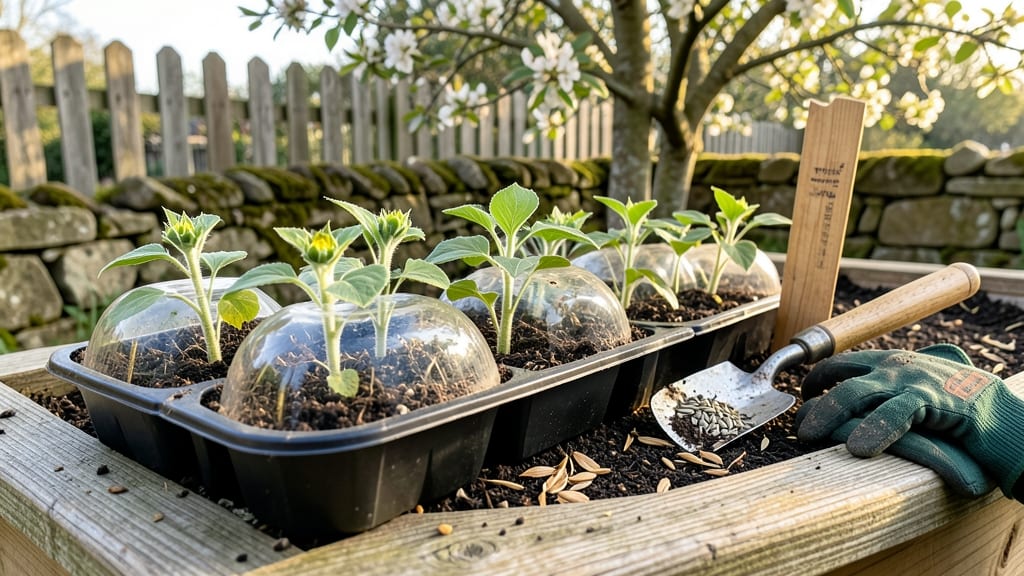
Planting sunflowers in Alabama after the last frost date — typically mid-April to early June — ensures they thrive in the state’s 7a-8b zones before summer heat sets in.
Sunflowers bring vibrant color and joy to Alabama gardens—but planting them at the wrong time can mean wilting dreams before they bloom. Timing is everything, especially with Alabama’s unpredictable spring frosts and sweltering summer heat.
If you’re in North Alabama (Zone 7b), wait until late April when soil temperatures hit 60°F or warmer. Central and South Alabama (Zones 8a-8b) can start as early as mid-April, but always check local frost dates to avoid losing young plants.
Below, I’ll break down the best planting windows by zone, soil prep tips for Alabama’s clay-heavy soil, and how to pick varieties that handle humidity and heat like a pro.
Alabama sunflower planting calendar by frost-free zones
Alabama’s three distinct frost-free zones create unique planting windows for sunflowers. Whether you're in Zone 7b (northern Alabama) or Zone 8b (southern Alabama), timing your sunflower seeds correctly means the difference between stunning summer blooms and frost-burned seedlings.
Let’s break down the exact deadlines and soil conditions for each zone to maximize your sunflower success.
Sunflowers thrive in Alabama’s warm summers, but they’re frost-sensitive seedlings. The key is planting after the last average frost date—typically mid-April in northern Alabama and early April in southern regions.
However, soil temperature matters just as much as air temperature. Sunflower seeds need soil that’s at least 60°F (15°C) to germinate properly.
Here’s your zone-specific planting calendar, including soil temperature requirements and ideal transplanting windows for maximum bloom time:
For Zone 7b gardeners in northern Alabama, the April 15 to May 10 window is critical. Planting too early risks frost damage to young seedlings, while planting too late may delay blooms until late summer—just as Alabama’s heat peaks.
Use a soil thermometer to confirm temperatures are above 60°F (15°C) before sowing.
Central Alabama’s Zone 8a offers a slightly earlier start. You can begin sowing seeds as early as April 1, but wait until soil warms to 60°F (15°C)—usually by early April.
Transplanting seedlings in April 15 to May 1 ensures they establish roots before summer’s intensity. This zone often enjoys longer bloom seasons, from June through August.
In Zone 8b (southern Alabama), you can push the envelope further. Start seeds as early as March 20, but again, soil temperature is key. Aim for April 1 to April 15 for transplanting.
Southern Alabama’s milder winters mean sunflowers can bloom as early as May, giving you a head start on summer color.
Pro tip: If you’re in a microclimate with later frosts (like higher elevations), extend your planting window by 1-2 weeks. Use row covers for early starts in Zone 7b to protect seedlings from unexpected late frosts.
For container gardening, start seeds indoors 2-3 weeks before your zone’s last frost date.
Remember, sunflowers are fast growers—some varieties reach maturity in just 60-80 days. Planting at the right time ensures you’ll enjoy bright yellow blooms all summer long, even in Alabama’s humid heat. With this zone-specific calendar, you’re set for sunflower success! 🌻
How to adjust sunflower planting for Alabama’s microclimates
Alabama’s diverse landscapes—from bustling cities to coastal shores and mountain ridges—create unique challenges for sunflower growers. Urban heat islands, coastal humidity, and high-altitude breezes all demand tailored planting strategies.
The good news? With a few smart adjustments, you can grow thriving sunflowers anywhere in the state, even in less-than-ideal conditions.
First, recognize that Alabama’s microclimates can shift planting windows by weeks.
For example, Birmingham’s urban areas may experience heat stress earlier than rural Huntsville, while Mobile’s coastal gardens face salt spray and higher humidity. Container gardening becomes a game-changer in small spaces, while shade-tolerant varieties can work in partial-light urban lots.
🌱 Microclimate-Specific Sunflower Planting Guide
- Urban Gardens: Start seeds indoors 4-6 weeks before last frost (mid-March) to beat heat stress. Use reflective mulch to reduce pavement heat.
- High-Altitude Areas: Plant 2-3 weeks later than coastal zones—soil warms slower above 1,000 ft. Choose dwarf varieties (3-5 ft) to avoid wind damage.
- Coastal Regions: Opt for salt-tolerant varieties like 'Autumn Beauty' and plant after May 15 to avoid hurricane season stress.
- Container Gardening: Use 5-gallon pots with drainage holes; water daily in summer—containers dry out 3x faster than ground soil.
- Partial Shade Areas: Select 'Teddy Bear' or 'Moulin Rouge'—both tolerate 4-6 hours of sun and thrive in urban courtyards.
For urban gardeners, prioritize heat-resistant varieties like 'ProCut Hybrid' or 'Mammoth'—they handle pavement radiant heat better than standard types. Elevate containers on brick stands to improve airflow and prevent root rot from trapped heat. Morning watering is critical to prevent fungal diseases in Alabama’s humid summers.
In high-altitude areas (e.g., Lookout Mountain), focus on soil warming techniques. Lay black plastic mulch 2 weeks before planting to raise soil temps by 10-15°F. Avoid tall varieties—they’ll flop in mountain winds. Staking or caging is a must for stability.
Coastal gardeners should amend soil with compost to flush out salt buildup from ocean spray. Drought-resistant varieties like 'Russian Giant' perform well with deep but infrequent watering. Elevate garden beds to prevent waterlogging during tropical storms.
Even shade-loving sunflowers need adjustments. Plant in east-facing containers to capture morning sun, or pair with taller plants (like corn) for partial shade. Dwarf varieties like 'Pocket Sun' (2 ft tall) work beautifully in balcony gardens with just 3-4 hours of sun daily.