
Flowers
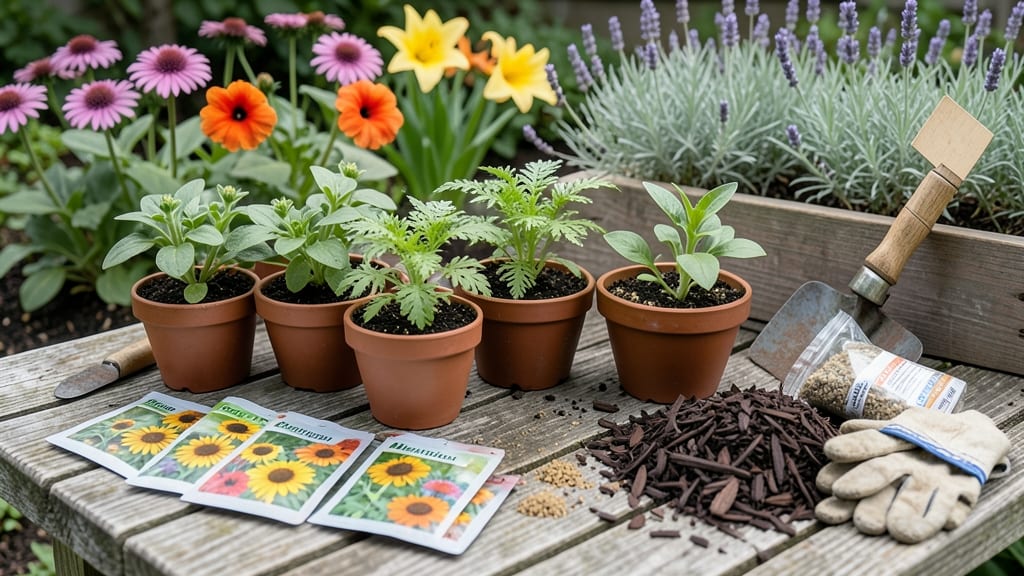
Planting flowers in Virginia at the right time means the difference between a garden bursting with color and one that barely makes it past the first frost.
Timing is everything in Virginia gardening—plant too early, and frost will kill your blooms; too late, and you’ll miss the full growing season.
But with Virginia’s diverse USDA zones (4a-8a), knowing the exact planting windows for annuals, perennials, and bulbs can mean the difference between a stunning garden and a sad, patchy yard.
Most gardeners focus on spring planting, but fall is just as critical—especially for perennials and bulbs that need time to root before winter.
We’ll break down the best months for each zone, whether you’re sowing seeds indoors or planting directly in the soil, so you can avoid common mistakes and keep your 🌸 thriving year-round.
From Black-Eyed Susans to petunias, you’ll learn which flowers thrive in Virginia’s heat and humidity, how to prep your soil for peak blooms, and when to fertilize for the most vibrant displays. Let’s get those gardens growing!
Virginia planting Zones & best flower planting months by USDA Zone
Virginia’s USDA zones 4a-8a create a diverse gardening landscape, where last frost dates range from early March in Zone 8a to late April in Zone 4a. Understanding these zones helps you time plantings perfectly for vibrant blooms year-round.
Whether you’re planting annuals for instant color or perennials for long-term beauty, knowing your zone ensures your flowers thrive.
In Zone 4a-5b (northwest Virginia), cool-season annuals like pansies and snapdragons can handle early spring plantings, while Zone 7a-8a (southeastern Virginia) allows for extended growing seasons with heat-tolerant varieties like zinnias and marigolds.
Even bulbs like tulips benefit from zone-specific timing—planting them in fall ensures they bloom at the right moment.
Soil temperature is another critical factor. Most flower seeds need soil temps of at least 60°F to germinate, while cool-season crops like calendula can start as early as 40°F. Use a soil thermometer to monitor conditions, especially in Zone 6a-7a, where spring can be unpredictable.
Here’s a quick reference for Virginia’s planting windows by zone, including when to start seeds indoors vs. direct-sowing outdoors:
| USDA Zone | Last Frost Date | First Frost Date | Best Planting Months | Indoor Seed Start | Direct Sow Outdoors |
|---|---|---|---|---|---|
| 4a-5b | Mid-April | Mid-October | March-April, September | February-March (6-8 weeks before last frost) | After May 15 (when soil is 60°F+) |
| 6a-6b | Early April | Late October | March-May, September-October | February-April (6-8 weeks before last frost) | After April 15 (soil 55°F+) |
| 7a-7b | Late March | Early November | February-May, September | January-April (6-8 weeks before last frost) | After March 20 (soil 50°F+) |
| 8a | Early March | Mid-November | January-May, September-October | December-April (6-8 weeks before last frost) | After February 28 (soil 45°F+) |
For perennials like daylilies or coneflowers, early spring or fall planting gives roots time to establish before extreme weather. In Zone 7a-8a, you can even plant tender annuals like petunias as early as February under row covers or in containers.
Just remember: soil temperature matters more than air temperature—always check before planting.
Bulbs like tulips and daffodils should be planted in fall (October-November) across all zones, but Zone 4a-5b gardeners should aim for earlier dates to avoid winter heaving. In Zone 8a, you can even plant some bulbs in late fall or early winter for spring blooms.
If you’re growing heat-loving flowers like zinnias or sunflowers, wait until after the last frost date and ensure soil temps are above 60°F. In Zone 7a-8a, this often means planting in late April or early May.
For cool-season flowers like pansies or sweet alyssum, you can start as early as February in Zone 8a or March in Zone 6a-7a.
Pro tip: Use row covers to extend early spring plantings in Zone 4a-6a, protecting tender seedlings from late frosts. And always mulch around perennials in fall to insulate roots during winter. With the right timing, your Virginia garden can burst into color from early spring to late fall!
Top 10 flowers to plant in Virginia (and their perfect timing)
Virginia’s diverse climate from Zone 4a to 8a means you can grow everything from hardy perennials to heat-loving annuals. But timing is critical—plant Black-Eyed Susans too early, and frost will nip them; wait too long, and you’ll miss summer blooms.
The key is matching each flower’s ideal planting window to your local frost dates and sunlight conditions.
For Zone 7-8 gardeners (like Richmond or Norfolk), focus on heat-tolerant varieties that thrive in summer’s humidity. In Zone 4-6 (think Shenandoah Valley or Roanoke), prioritize cold-hardy perennials that bounce back after winter.
Below, I’ve curated the top 10 Virginia-friendly flowers, their exact planting months, and care tips to keep them blooming all season.
- Black-Eyed Susan (Rudbeckia): March-April (Zone 4-9). Full sun, drought-tolerant. Deadhead for continuous blooms until frost.
- Coreopsis (Tickseed): April-May (Zones 4-9). Partial sun, thrives in poor soil. Cut back in early spring.
- Daylilies (Hemerocallis): March-April (Zones 3-9). Full sun to partial shade. Perennial with low maintenance.
- Petunias (Annual): April-May (Zones 7-11). Full sun, heat-tolerant. Pinch back for bushier growth.
- Coneflowers (Echinacea): March-April (Zones 3-9). Full sun, drought-resistant. Attracts pollinators.
- Marigolds (Annual): April-May (Zones 2-11). Full sun, pest-repellent. Direct-sow after frost.
- Salvia (Perennial Sage): March-April (Zones 5-9). Full sun, drought-tolerant. Divide every 3-4 years.
- Lavender (Zone 5-9): March-April. Full sun, well-draining soil. Prune after flowering.
- Zinnias (Annual): April-May (Zones 3-10). Full sun, fast-growing. Deadhead for more blooms.
- Daffodils (Bulb): September-October (Zones 3-8). Full sun to partial shade. Cold-hardy and deer-resistant.
Most Virginia gardeners can start perennials like daylilies and coneflowers in early spring (March-April), giving them time to establish roots before summer heat. Annuals like petunias and zinnias need to wait until after the last frost date (typically mid-April in most regions), while bulbs like daffodils should be planted in fall for spring blooms.
For Zone 4-6, prioritize cold-hardy perennials like Black-Eyed Susans and salvia, which survive winter and return year after year. In Zone 7-8, lean into heat-loving annuals like marigolds and petunias, which thrive in summer’s humidity.
Always check your local frost dates—Virginia’s can vary by 2-3 weeks depending on elevation.
Pro tip: Mulch after planting to retain moisture and regulate soil temperature. For container gardening, use well-draining soil and water consistently—Virginia’s clay soil can dry out quickly in summer. With the right timing and care, these 10 flowers will give you vibrant blooms from spring to frost.